
WHAT ARE YOU THOUGHTS ON NON-VERBAL COMMUNICATION IN A MARRIAGE?
Non-Verbal Communication In Marriage Strengthens Understanding,Deepens Connection,and Foster Emotional Intimacy.

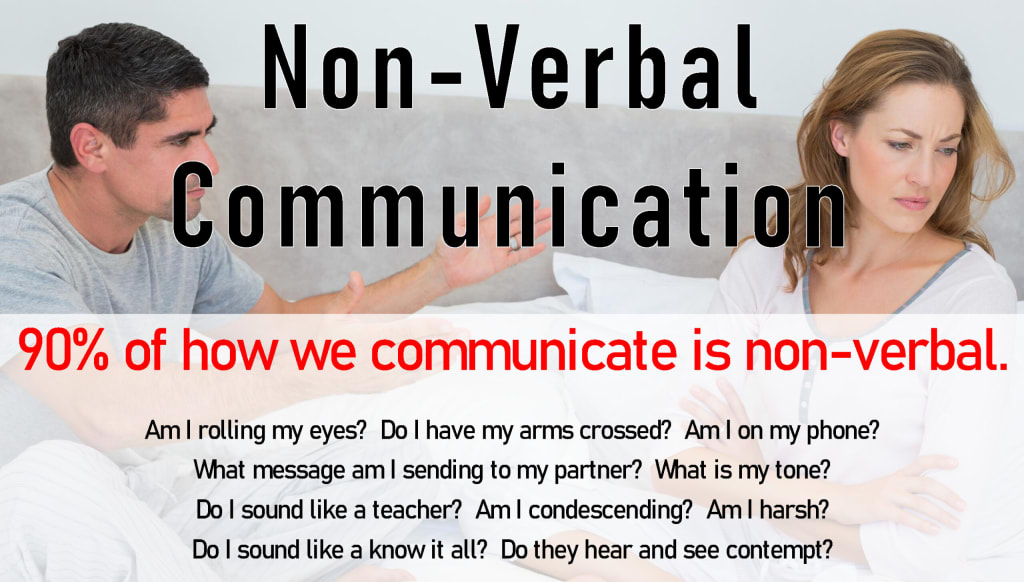
Non-verbal communication plays a crucial role in the dynamics of any relationship, and this is especially true in marriage. While verbal communication is often the focus in conversations about relationships, non-verbal cues—such as body language, facial expressions, tone of voice, and physical touch—can convey emotions, attitudes, and messages that words alone cannot express. Understanding and interpreting non-verbal communication in marriage can deepen emotional connections, prevent misunderstandings, and create a more fulfilling partnership.
The Importance of Non-Verbal Communication in Marriage
In a marriage, Non-verbal communication often accounts for a significant portion of the message conveyed between partners. Research suggests that up to 93% of communication is non-verbal, with body language and tone of voice making up the majority of how messages are received. This means that even when words are not spoken, couples are constantly communicating through gestures, facial expressions, posture, and proximity.
Non-verbal communication in marriage can be used to express affection, comfort, empathy, or even frustration and anger. For example, a warm smile or a gentle touch can communicate love and care without the need for words. Conversely, a tense posture or avoiding eye contact can indicate distance, disinterest, or a lack of trust. Understanding these cues can help couples navigate their relationship and provide a deeper understanding of each other’s emotional states.
Non-Verbal Communication as a Tool for Emotional Connection
One of the most powerful aspects of non-verbal communication in marriage is its ability to foster emotional intimacy. Physical touch, for instance, can be a profound way to connect with a partner. Holding hands, hugging, or simply sitting close together can convey affection and reassurance. These actions promote a sense of security, making partners feel loved and valued. In moments of stress or conflict, physical closeness can act as a calming force, reinforcing the emotional bond between spouses.
Facial expressions also play an important role in conveying feelings and emotions. A loving glance, a warm smile, or a sympathetic look can express understanding and emotional support. These small but meaningful gestures allow couples to communicate without saying a word, enhancing the emotional connection between them.
Eye contact, in particular, is essential in a marriage. It fosters intimacy and shows attentiveness. When partners make eye contact, it conveys that they are engaged in the conversation and are truly listening. On the other hand, avoiding eye contact may signal discomfort, avoidance, or a lack of interest. In a marriage, maintaining healthy eye contact helps to strengthen trust and understanding.
Non-Verbal Cues in Conflict Resolution
While non-verbal communication is often associated with positive emotions, it can also be a crucial factor in conflict resolution. In moments of disagreement, how a person physically responds can affect the outcome of the conversation. Crossed arms, a raised eyebrow, or a tense posture can signal defensiveness or anger, escalating tension between partners. Conversely, an open posture, nodding, and maintaining soft eye contact can signal a willingness to listen and work through the issue together.
During arguments or disagreements, couples who are aware of their non-verbal communication are better equipped to de-escalate tensions. For example, if one partner is becoming defensive or closed off, the other may choose to soften their body language, relax their posture, or use a calming touch to signal empathy and understanding. This non-verbal approach can help both partners feel heard and validated, fostering a more productive resolution.
The Role of Cultural Differences in Non-Verbal Communication
In multicultural marriages, non-verbal communication can be especially significant. Different cultures have varying interpretations of non-verbal cues, and what may be considered a sign of affection in one culture could be perceived as inappropriate in another. For example, some cultures value close physical proximity during conversations, while others might prefer more personal space. Similarly, gestures like handshakes, hugs, or even facial expressions may hold different meanings depending on cultural backgrounds.
Couples in multicultural marriages need to be aware of these differences and work together to understand each other’s non-verbal communication styles. Open discussions about cultural expectations and awareness of non-verbal cues can prevent misunderstandings and promote greater harmony in the relationship.
In The End
Non-verbal communication in marriage is a powerful tool that can enhance emotional intimacy, foster understanding, and resolve conflicts. Through body language, facial expressions, touch, and tone of voice, couples can convey feelings and messages that words alone cannot express. Being mindful of non-verbal cues and learning to interpret them can deepen the emotional bond between partners and help navigate the complexities of married life.
About the Creator
Badhan Sen
Myself Badhan, I am a professional writer.I like to share some stories with my friends.
Keep reading
More stories from Badhan Sen and writers in Marriage and other communities.
HOW DO YOU ENSURE YOUR SPOUSE FEELS HEARD AND UNDERSTOOD?
Ensuring that your spouse feels heard and understood is crucial for maintaining a strong and healthy relationship. When partners feel truly listened to, it fosters trust, intimacy, and a sense of security. To effectively achieve this, active listening, empathy, validation, and clear communication are essential practices. Here are some ways you can ensure your spouse feels heard and understood:
By Badhan Senabout a year ago in Marriage
Beyond the Carat: Why Oval Engagement Rings Are the New Standard of Elegance
Every engagement story begins with a spark, but for me, it began with a realization: not all diamonds are created equal. When I started my search for the perfect ring, I was blinded by the "Four Cs." I thought that as long as the certificate looked good, the ring would be perfect. I was wrong.
By Mohd Kaish4 days ago in Marriage
How to Succeed at the Benson Directory®
Congratulations and welcome to the Benson Directory® employee #22391! As our newest call handler, you will have the privilege of speaking with dozens of unique and interesting people on a daily basis as well as the opportunity to earn bonuses for high performance. Contained within this handbook you will find a set of ease to follow instructions designed to help you settle in to your new role and begin paving the way to success.
By S. A. Crawford4 days ago in Fiction



Comments
There are no comments for this story
Be the first to respond and start the conversation.