
Understanding the Side Effects of Nail Polish: Health Risks and Safety Tips
Nail Polish Side Effect
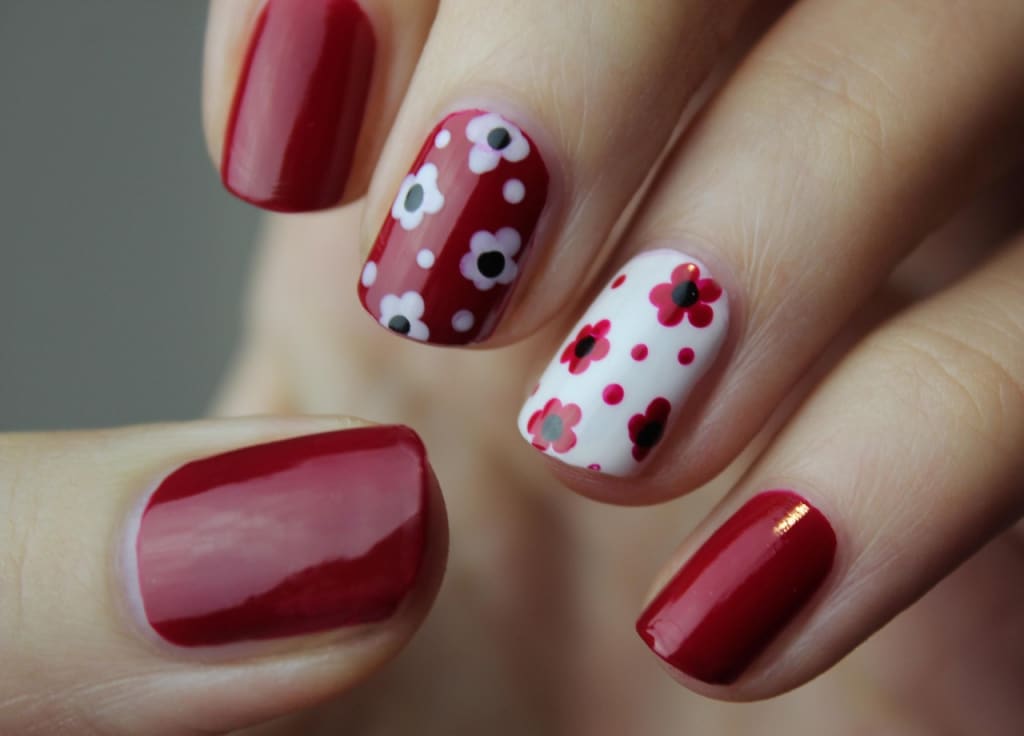
Nail polish is a staple in many beauty routines, offering a quick way to enhance one's appearance. However, beneath its glossy finish lies a range of potential health risks. This comprehensive guide delves into the side effects of nail polish, the harmful chemicals involved, and how to mitigate these risks for healthier nails and overall well-being.
Table of Contents
Introduction
Common Toxic Chemicals in Nail Polish
Health Risks Associated with Nail Polish
Allergic Reactions and Sensitivities
Environmental Impact of Nail Polish
Choosing Safer Nail Polish Options
Tips for Healthy Nail Care
Conclusion
Introduction
Nail polish has been a part of human culture for thousands of years, from ancient China to modern-day fashion runways. While it serves as a form of self-expression and beauty enhancement, the chemicals present in many nail products can pose significant health risks. Understanding these risks is crucial for making informed choices about nail care.
Common Toxic Chemicals in Nail Polish
Many conventional nail polishes contain a cocktail of chemicals that can be harmful to both users and salon workers. Some of the most concerning include:
Formaldehyde: A known carcinogen used as a hardening agent in nail polish.
livescience.com
Toluene: A solvent that can affect the central nervous system and cause reproductive harm.
livescience.com
Dibutyl Phthalate (DBP): Added to provide flexibility, it's linked to reproductive problems and is banned in the European Union.
livescience.com
Ethyl Methacrylate (EMA): Found in artificial nail liquids, it can cause asthma and irritated eyes, skin, nose, and mouth.
allermi.com
+3
dos.ny.gov
+3
poison.org
+3
Acetone: Commonly used in nail polish removers, it can cause headaches, dizziness, and irritated eyes, skin, and throat.
dos.ny.gov
These chemicals can be absorbed through the skin or inhaled, leading to various health issues.
Health Risks Associated with Nail Polish
1. Respiratory Issues
Inhaling fumes from nail polish and removers, especially in poorly ventilated areas, can lead to respiratory problems. Salon workers are particularly at risk due to prolonged exposure. Symptoms may include dizziness, headaches, and irritation of the eyes, nose, and throat.
vogue.com
+2
livescience.com
+2
glamour.com
+2
dos.ny.gov
2. Skin Irritations and Allergies
Direct contact with nail polish or its removers can cause skin reactions such as redness, itching, and swelling. Allergic contact dermatitis is a common issue, with some individuals developing sensitivities to specific chemicals over time.
pubmed.ncbi.nlm.nih.gov
3. Nail Damage
Frequent use of nail polish can lead to weakened nails. The chemicals can cause nails to become brittle, dry, and prone to flaking. Additionally, prolonged application can lead to discoloration and staining of the nail plate.
clinicasanroman.com
4. Hormonal Disruptions
Certain chemicals in nail products, like DBP, are known endocrine disruptors. These substances can interfere with hormone function, potentially leading to reproductive health issues.
en.wikipedia.org
5. Cancer Risk
Formaldehyde, a carcinogen used in some nail polishes, has been linked to an increased risk of cancer. Even low-level exposure over time can elevate this risk.
Allergic Reactions and Sensitivities
Allergic reactions to nail products are becoming more prevalent, particularly with the rise of at-home gel and acrylic manicures. Chemicals like hydroxyethyl methacrylate (HEMA) are common allergens. Symptoms can range from mild redness and swelling to severe reactions affecting areas far from the nails, such as the face and neck.
thesun.co.uk
+2
time.com
+2
independent.co.uk
+2
thesun.co.uk
+1
pubmed.ncbi.nlm.nih.gov
+1
Environmental Impact of Nail Polish
The environmental footprint of nail polish extends beyond its use. Chemicals like acetone contribute to air pollution, and many nail polish bottles are not recyclable, leading to long-term environmental damage.
primalmusings.com
Choosing Safer Nail Polish Options
With growing awareness, many brands are now offering safer alternatives:
"Free" Formulas: Look for polishes labeled "3-free," "5-free," or even "10-free," indicating the absence of harmful chemicals like formaldehyde, toluene, and DBP.
glamour.com
+1
allure.com
+1
Non-Toxic Brands: Brands such as Tenoverten, Ella+Mila, Essie, Hermès, and Àuda.B offer nail polishes with reduced chemical content.
glamour.com
DIY Alternatives: Consider using natural ingredients like lemon juice and baking soda for nail care.
Tips for Healthy Nail Care
Limit Use: Avoid wearing nail polish continuously. Give your nails time to breathe between applications.
Proper Removal: Use acetone-free removers to minimize nail damage.
cosmoderma.org
Moisturize: Regularly apply cuticle oil or hand cream to keep nails hydrated.
Protective Measures: When using nail products, ensure proper ventilation and consider wearing gloves to reduce exposure.
Conclusion
While nail polish can enhance beauty, it's essential to be aware of the potential health risks associated with its use. By choosing safer products and adopting healthy nail care practices, individuals can enjoy beautiful nails without compromising their health.
About the Creator
Keep reading
More stories from MUHAMMAD Abbas and writers in Marriage and other communities.
The Dark Psychology of Social Media: Why You Feel Worse After Scrolling
Introduction: The Social Media Paradox You open Instagram for a "quick check." Twenty minutes later, you feel empty, anxious, and strangely inadequate. This isn't just fatigue—it's by design. Social media platforms employ neuroscience, behavioral psychology, and surveillance capitalism to keep you hooked while eroding your mental health.
By MUHAMMAD Abbas7 months ago in Humans
Essex Wedding Venues 2026: Where Modern Love Meets Timeless Settings
Planning a wedding is often described as a journey, and for couples looking ahead, Essex wedding venues 2026 are already shaping that journey in thoughtful and exciting ways. Essex has long been a favourite for weddings, but what’s changing now is how venues are responding to modern expectations while keeping the romance firmly intact.
By Andrew Mile7 days ago in Marriage



Comments (2)
Didn't know all these risks. Gonna be more careful choosing nail polish from now on.
Good information.