
The Dark Psychology of Social Media: Why You Feel Worse After Scrolling
The Dark Psychology of Social Media
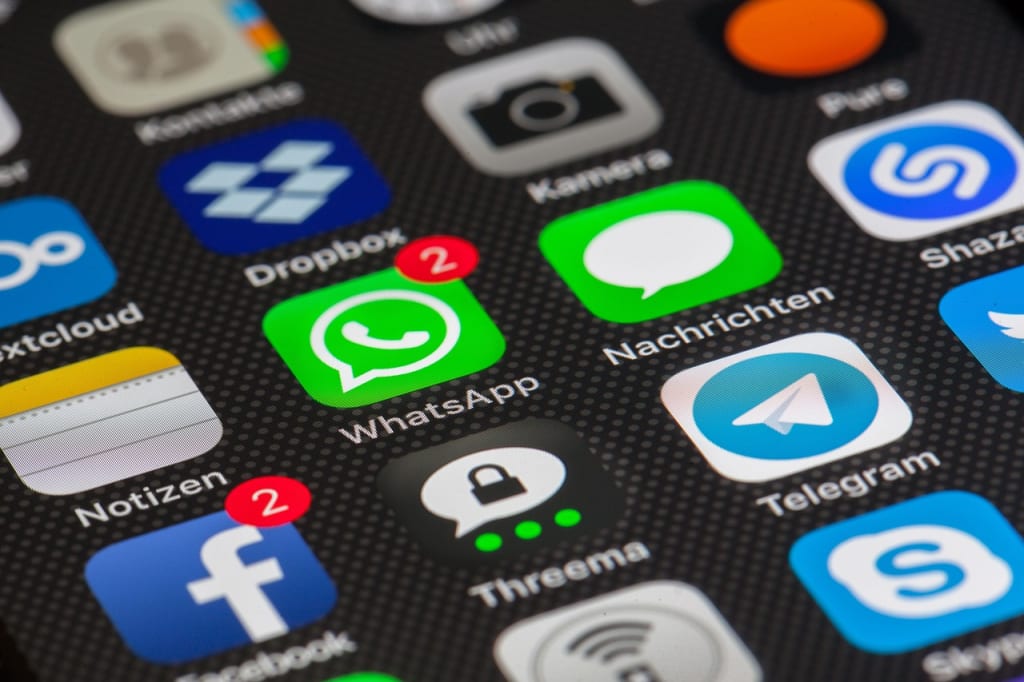
Introduction: The Social Media Paradox
You open Instagram for a "quick check." Twenty minutes later, you feel empty, anxious, and strangely inadequate. This isn't just fatigue—it's by design. Social media platforms employ neuroscience, behavioral psychology, and surveillance capitalism to keep you hooked while eroding your mental health.
A 2023 study in Computers in Human Behavior found that 87% of users report feeling worse after scrolling, yet they return compulsively. Why? Because social media doesn’t just reflect reality—it rewires your brain’s reward system, exploits your insecurities, and traps you in a cycle of comparison, craving, and crash.
"This in-depth exploration exposes:"
- The dopamine deception behind infinite scrolling
- How algorithmic conditioning trains your brain to seek validation
- The psychological warfare of highlight reels vs. reality
- 4 science-backed strategies to reclaim your attention and mental peace
- Unpredictable rewards: Sometimes you get likes, sometimes you don’t
- Infinite scroll: No natural stopping point, unlike books or TV episodes
- "Pull-to-refresh" design: Literally based on slot machine mechanics
- Upward social comparison: Measuring yourself against curated perfection
- FOMO (Fear of Missing Out): The anxiety that others are living better lives
- "Phantom vibration syndrome": Imagining notifications that aren’t there
Section 1: The Brain Hijack – How Social Media Exploits Your Neurochemistry
1.1 The Slot Machine in Your Pocket
Social media mimics variable-ratio reinforcement, the same psychological trick used in casinos:
Neuroscience insight: A 2022 Nature study showed that receiving likes activates the nucleus accumbens, the brain’s pleasure center, as strongly as cocaine.
1.2 The Comparison Trap
Your brain processes social media images as real-life interactions, triggering:
Psychological cost: A Journal of Social and Clinical Psychology experiment found that limiting social media to 30 mins/day reduced depression by 30% in 3 weeks.
Section 2: The Algorithm’s Dark Playbook
2.1 Emotional Contagion Engineering
- Outrage: Angry posts get 2x more shares (MIT Media Lab)
- Envy: Travel/luxury content increases dissatisfaction (UC San Diego study)
- Vulnerability: "Sadfishing" posts bait engagement through pity
- Snapchat Dysmorphia: 55% of plastic surgeons report patients wanting to look like filtered versions of themselves (AACS)
- "Instagram Face": The homogenized, filler-heavy beauty standard
- Shadow banning of unedited photos (leaked Meta documents)
- The average attention span dropped from 12 to 8 seconds since 2000 (Microsoft)
- "Continuous partial attention": Never fully present anywhere
Platforms prioritize content that triggers high-arousal emotions:
Example: Facebook’s 2012 *"emotional manipulation" study proved it could make users happier or sadder by tweaking their feeds.
2.2 The Beauty Industrial Complex
Filters and AI tools (like TikTok’s "Bold Glamour") distort self-perception:
Body image impact: Teen girls who use Instagram 2+ hours/day are 3x more likely to develop eating disorders (Facebook’s own research, 2021).
Section 3: The Four Psychological Withdrawal Symptoms
3.1 Attention Fragmentation
3.2 Digital Anhedonia
- Real-life experiences feel dull compared to digital stimulation
- 75% of Gen Z report boredom after 30 seconds of inactivity (Deloitte)
3.3 Phantom Socialization
- 500 "friends" but no real connections
- DM chats replace deep conversations
3.4 The Doomscroll Spiral
- Negative news is 6x more sticky (BBC Research)
- Algorithmic radicalization pushes extreme content
Section 4: Reclaiming Your Brain – 4 Science-Backed Solutions
4.1 The "30-30-30" Detox Rule
- 30 mins max/day on social apps (use Screen Time limits)
- 30 mins of analog activity (reading, walking) before checking phone
- 30-day influencer purge (unfollow accounts that trigger envy)
4.2 Attention Hygiene Training
- Grayscale mode: Removes dopamine-triggering colors
- App icon removal: Type "Instagram.com" to add friction
- "One Tab" rule: Never scroll in bed or on the toilet
4.3 Algorithmic Counter-Programming
- Search "educational content" to retrain suggestions
- Purposely like boring posts to confuse tracking
- Use alternative platforms (like BeReal or Substack)
- 4.4 Neuroplasticity Repair
- Dual n-back training: Improves focus (University of Michigan)
- Analog hobbies: Cooking, gardening, or painting to rebuild patience
- Silent walks: No podcasts or music – just observation
Conclusion
Social media isn’t just a tool—it’s a psychological battleground. But by understanding its tricks, you can:
✅ Spot manipulation in real-time
✅ Rewire your dopamine responses
✅ Transform scrolling from compulsive to intentional
Tonight’s challenge: Before bed, charge your phone outside the bedroom. Notice how your morning changes.
About the Creator
Keep reading
More stories from MUHAMMAD Abbas and writers in Humans and other communities.
The Importance of a Balanced Diet for Long-Term Health
Introduction Eating healthy isn't just about losing weight—it's about feeling good, staying strong, and living a long, happy life. A balanced diet gives your body all the nutrients it needs to work properly. Without the right foods, you might feel tired, get sick often, or develop health problems like diabetes, heart disease, or weak bones.
By MUHAMMAD Abbas7 months ago in Humans
The Guardian of Maple Street: The Bus Driver Who Trusted the Silence
The incredible true story of Harold Jennings, the school bus driver whose attention to detail and refusal to take a day off saved an elderly couple and 27 children from a catastrophic gas explosion.
By Frank Massey 6 days ago in Humans
Miss Persephone's Manual to a Seemingly Ordinary Life
Miss Persephone was found at the dining table, her blue eyes swollen, her tears arriving and retreating like the tides of the ocean. Earlier that day, her family had visited her in the retirement home where she had lived for eight years. It was her eightieth birthday.
By Imola Tóth5 days ago in Fiction




Comments
There are no comments for this story
Be the first to respond and start the conversation.