
Traditional Marriage in Nigeria – The Igbo and Yoruba Cases
Traditional Weddings in Nigeria

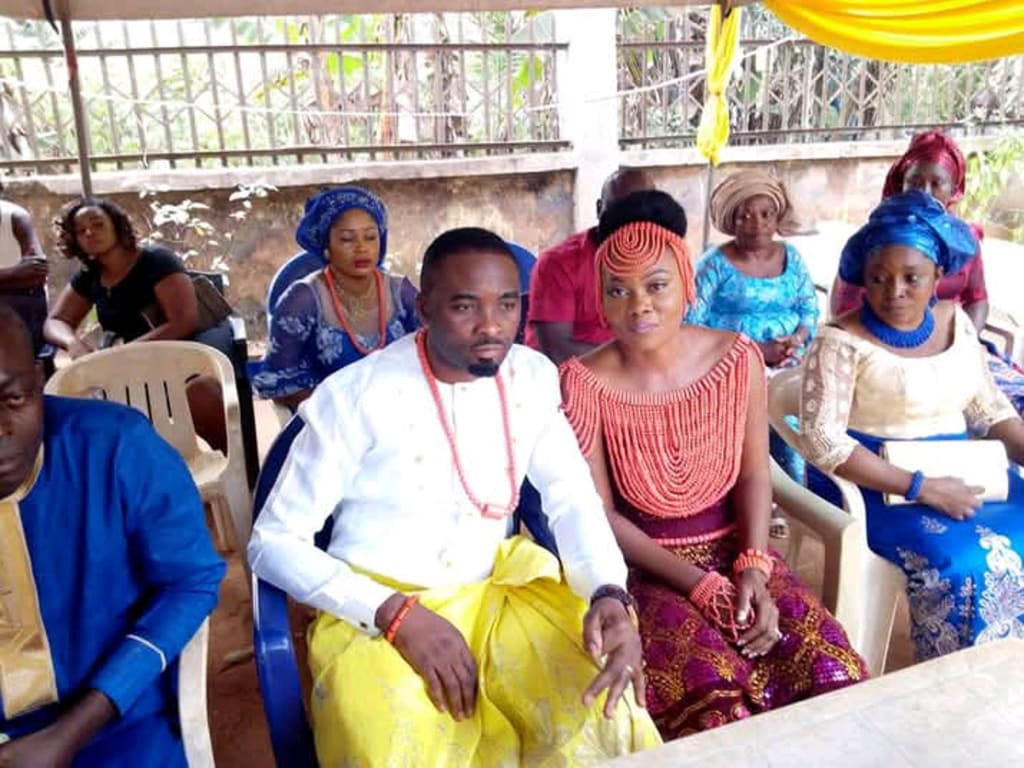
Everything you need to know about wedding traditions in Nigeria.
The diversity in cultural behavior of different ethnic groups in Nigeria opens up a vista of variegated traditional marriage systems. With over 250 ethnic groups and 371 tribes, the country offers an abundant wealth of marriage practices.
Marriage is a sacred and festive union that embraces diverse customs around the world. In Nigeria, weddings go far beyond simply celebrating the union of two people: they represent a true immersion in ancestral African traditions.
Somewhat compared to Senegal, traditional weddings in Nigeria are accompanied by pageantry, color music, dance, grandeur and families of both couples tied up in mutual bonds. The wedding celebration in Nigeria offers a vibrant immersion in ancestral customs where love and tradition blend harmoniously.
This diversity contributes to a mosaic of practices, testifying to the variety and depth of wedding rituals across the country. Tribal weddings in Nigeria thus offer a rich and diverse experience, reflecting cultural plurality and the beauty of ancestral traditions.
The Cultural Roots of Nigerian Weddings
Nigeria is distinguished by the richness and variety of its marriage traditions, while being shaped by a unique ethnic mosaic. Each ethnic group — be it the Igbo, Yoruba, Hausa, or other groups — celebrates marriage through rituals unique to it. These traditions, passed down from generation to generation, not only reflect the values, beliefs, and history of each community, but also contribute to Nigeria's incredible cultural heritage. Thus, far from being mere formalities, Nigerian weddings are an expression of a profound cultural legacy, testifying to the unity of diversity that characterizes this country.
The Igbo Marriage
Igbo weddings, a major ethnic group in Nigeria, are celebrated with extravagance and symbolism that illustrate the richness of their culture and traditions.
Careful Preparations: Preparations for an Igbo wedding begin well before the day of the ceremony, involving consultations between the families of the bride and groom, the establishment of a dowry, and the meticulous selection of richly decorated traditional outfits.
Igba Nkwu Ceremony: At the heart of the Igbo wedding, the palm wine ceremony represents the culmination of the engagement. The bride performs a ritual search to find her future husband among the guests, symbolizing love and perseverance. Once found, she offers him palm wine, which he drinks to seal their union.
Rich symbolism: Every element of the ceremony is laden with symbolism. For example, the dowry, which can include various goods and sums of money, represents the bond between the two families. The core item – palm wine, is representative of a good omen: life and productivity (fertility).
Traditional attire: The bride and groom wear vibrant traditional attire. The groom, in most cases, is adorned with an Isiagu, a tunic embroidered with a lion motif, signifying strength. The bride stands out with her George Wrapper, luxurious fabric, and her ornate headgear, which make her radiant.
Festivities and celebrations: Following the Igba Nkwu ceremony, a grand celebration is held, marked by traditional dances, songs, and a feast. This moment of rejoicing aims to honor the bride and groom and celebrate the union of the two families and communities.
Yoruba Marriage
A reflection of Nigeria's vibrant and colorful culture, the Yoruba wedding combines tradition, emotion, and deep cultural exchange. The bride's prize ceremony is a crucial moment in this union, symbolizing the families' commitment to supporting the couple.
Family Commitment: The dowry ceremony is much more than a simple transaction. It represents a mutual commitment between the two families, emphasizing their support and blessing for the marriage. It is a testament to respect and family unity.
Dowry Negotiations:This moment brings together the two families to negotiate the terms of the dowry. Far from being a mere formality, this negotiation is a delicate and meaningful process, reflecting mutual respect and the value placed on the bride and her future well-being.
Symbolism of Gifts: Wedding gifts and monetary exchanges are not simply material goods. They are imbued with meaning and wishes for prosperity, health, and happiness for the spouses. These gifts may include traditional fabrics, food, and other culturally significant goods.
Traditional Colors and Attire: A Yoruba wedding is a veritable festival of color, with each family sporting traditional attire in coordinated colors. The bride and groom themselves are beautifully dressed in elaborate outfits, often made of Aso Oke, a richly decorated handwoven fabric.
Community Celebration: After the dowry ceremony, the fun can truly begin, with traditional meals, dancing, music, and performances. It is a time of collective joy, where friends and family gather to celebrate the union of the bride and groom in the purest Yoruba tradition.
Parental Blessing: A moving moment in the ceremony is the blessing of the bride and groom by their parents and elders. These blessings, often accompanied by prayers and advice, are considered essential for a happy and prosperous marriage.
Exchange of Vows and Rings: Although deeply rooted in tradition, the ceremony also incorporates modern elements such as the exchange of vows and rings, symbolizing the commitment and mutual love between the spouses.
Nighttime Festivities: The celebration often continues late into the night, with live music performances, DJs, and a dance floor where everyone, from young to old, joins in the fun.
About the Creator
Keep reading
More stories from Uchenna Cosmas Nwokafor and writers in Marriage and other communities.
Who Are The Igbo People?
Marks and figurines of the Igbo people is a lofty course of study if you want to identify the uniqueness of this distinct set of tribe whose origin is traced back to the tropical rainforest of a country in Western Africa. But the purpose of this task is to give a brief summary of who these people are over time.
By Uchenna Cosmas Nwokafor 8 months ago in History


Comments (2)
Respect for the sacredness of marriage has made the Nigerian people place so much value on it.
This article on Nigerian wedding traditions is really interesting. It makes me realize how diverse wedding customs can be. You mention the Igbo weddings have elaborate preparations. I wonder what specific things they do during those preparations. Also, comparing Nigerian weddings to those in Senegal sounds cool. Do you think there are any universal elements in weddings across different cultures, despite all the differences? It's amazing how these traditions tie families together like it says here. Makes me think about how important weddings are in preserving culture.