
The Timeless Charm of Temple Choker: A Symbol of Tradition and Elegance
Temple Choker

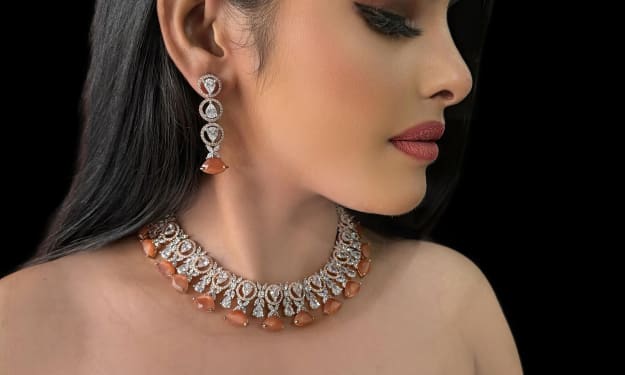
India’s rich cultural heritage is reflected in many aspects, one of the most significant being its jewelry. Temple jewelry, particularly the temple choker, holds a special place in this heritage. This intricate jewelry design, inspired by South Indian temples and deities, blends artistry, spirituality, and traditional craftsmanship, making it one of the most sought-after pieces in bridal and festive jewelry collections.
In this blog, we will explore the history, significance, and style tips associated with the temple choker, highlighting why this timeless piece continues to capture the hearts of jewelry enthusiasts.
The Rich History Behind Temple Chokers
Temple jewelry originated in South India centuries ago and was initially created to adorn the idols of deities in Hindu temples. Skilled artisans meticulously crafted these pieces from precious metals like gold and silver, studded with gems such as rubies, emeralds, and pearls, making them stand out with opulence and grandeur. Over time, temple jewelry transitioned from religious use to adorning royalty and the elite, particularly during festivals, weddings, and other special occasions.
The temple choker is a key variation of this jewelry style. Typically designed to sit snugly around the neck, the choker often features intricate carvings of gods and goddesses, floral patterns, and mythological motifs, symbolizing divinity and protection. Its bold, elaborate design not only reflects traditional values but also signifies status and luxury.
Why Choose a Temple Choker?
Temple chokers have become increasingly popular due to their unique blend of tradition, spirituality, and beauty. Below are some compelling reasons to add a temple choker to your jewelry collection:
Exudes Regal Grace: The temple choker's ornate and detailed design adds an air of royalty to any outfit. When you wear a temple choker, you embody the grandeur of Indian heritage, making a strong style statement, particularly with traditional attire like sarees or lehengas.
A Touch of Devotion: Temple jewelry, particularly pieces with representations of deities, carry spiritual significance. Wearing a temple choker not only enhances your appearance but also symbolizes devotion and blessings, making it an ideal choice for religious events, festivals, and weddings.
Versatility in Design: While deeply rooted in tradition, temple chokers can also be styled in contemporary ways. Whether you’re wearing a traditional silk saree or mixing and matching Indo-Western attire, a temple choker stands out as a statement piece, effortlessly merging tradition with modernity.
Perfect for Special Occasions: Temple chokers are often the focal point of bridal jewelry. Brides, especially in South India, opt for this style as it perfectly complements their traditional bridal attire, elevating their entire look. Additionally, it is an excellent choice for festive events like Diwali or Navratri, where it adds elegance and cultural significance to your outfit.
How to Style a Temple Choker
For Bridal Attire: The temple choker is a quintessential part of Indian bridal jewelry. Pair it with a silk Kanjeevaram saree in shades of red, green, or gold to create a harmonious and royal appearance. You can also complement the choker with matching temple jhumkas, bangles, or a maang tikka to complete the bridal look. The combination of traditional gold jewelry and temple motifs will leave a lasting impression on your special day.
For Festive Wear: During festivals, a temple choker adds a touch of grandeur to your ensemble. Whether you’re wearing a saree, an anarkali, or a lehenga, the choker can serve as a statement piece. For a subtle yet elegant festive look, you can pair the temple choker with simpler earrings or bangles to ensure that it remains the centerpiece of your outfit.
Fusion Fashion: For those who like to experiment with Indo-Western fashion, a temple choker can be paired with modern outfits. Consider wearing it with a plain, high-neck gown or a chic lehenga to create a stunning fusion look. The contrast between the ancient design of the choker and contemporary attire can result in a strikingly unique appearance.
Caring for Your Temple Choker
Since temple chokers are usually crafted from precious metals and adorned with intricate details, proper care is essential to maintain their beauty. Here are some tips to preserve your temple choker:
Store Carefully: Keep your choker in a separate jewelry box or pouch to prevent scratches or tangling with other jewelry pieces. Temple jewelry is often delicate, so storing it properly can prevent damage.
Avoid Chemicals: Keep your choker away from perfumes, lotions, and hairsprays, as these chemicals can tarnish the metal and affect the gemstones.
Regular Cleaning: Gently clean the choker with a soft cloth after each use to remove dirt and oils. If needed, you can take it to a professional jeweler for periodic polishing to restore its shine.
Conclusion
The temple choker is more than just a piece of jewelry—it's a celebration of India's artistic and spiritual heritage. With its timeless design, intricate craftsmanship, and cultural significance, it remains a beloved choice for weddings, festivals, and special occasions. By adding a temple choker to your jewelry collection, you not only embrace traditional elegance but also carry forward a piece of history that has been cherished for centuries.
Whether you're a bride-to-be or simply someone who appreciates the beauty of traditional jewelry, a temple choker is an investment in both style and heritage—something to be treasured for generations.
About the Creator
Keep reading
More stories from Shanayaa Baweja and writers in Marriage and other communities.
Elevate Your Style with an Earrings and Choker Set
Jewelry has always been a way for individuals to express their personal style, and one of the most timeless and elegant combinations is the earrings and choker set. This pairing has become a go-to accessory for fashion enthusiasts who want to make a bold yet sophisticated statement. Whether you're dressing for a wedding, a formal event, or even a casual outing, an earrings and choker set can instantly elevate your look.
By Shanayaa Bawejaabout a year ago in Marriage
The Price of a Viral Wedding: How Social Media Turned Ryan’s Ceremony into a Market Signal
The real story behind “Ryan’s wedding” isn’t the guest list or the designer suit. It’s what the event symbolizes: the culmination of the wedding-as-content era. The line between private celebration and public spectacle has dissolved, replaced by a hybrid economy where intimacy and influence feed one another. The modern wedding, especially at the celebrity level, is not just about love or commitment—it’s about narrative control, brand partnerships, and cultural signaling.
By Trend Vantagea day ago in Marriage
Affection and Healing for Yourself
During the night of the last quarter moon, I gathered my ritual supplies. I carefully handled the chunk of black tourmaline that would protect me from your overall negative and narcissistic energy. I carefully walked the house with my stick of selenite in hand, asking the universe to cleanse our working space.
By Alisha Wilkins ✒️🦋🖋️5 days ago in Fiction



Comments
There are no comments for this story
Be the first to respond and start the conversation.