
The Rise of Diamond Labs
This article delves into the world of diamond labs, exploring how they operate, the benefits they offer, and why they represent a sustainable future in fine jewelry.
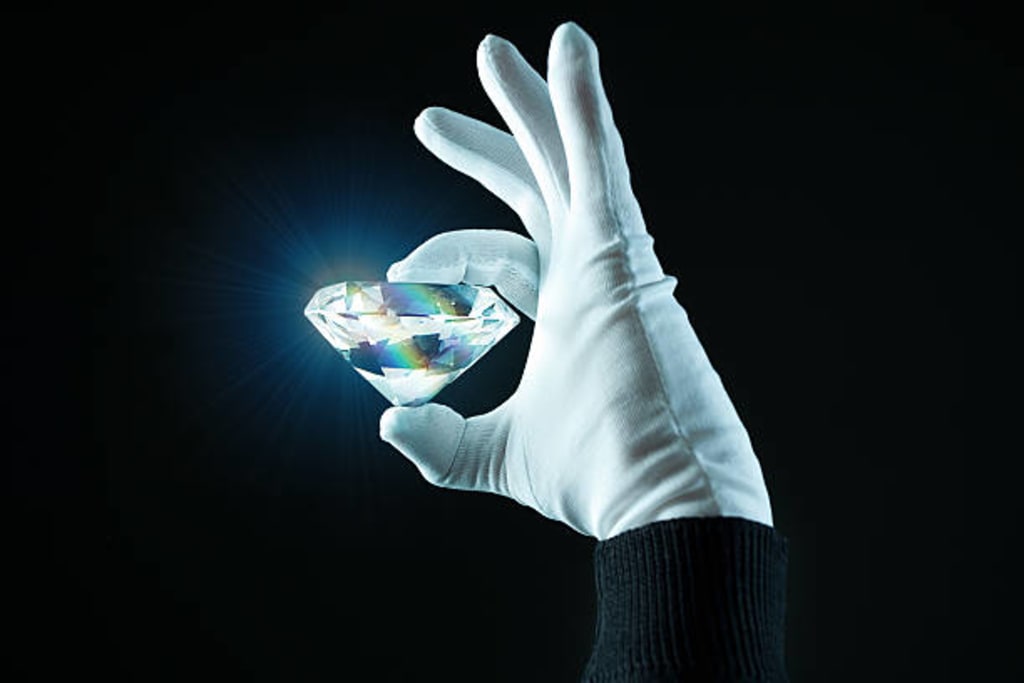
In the ever-evolving landscape of the jewelry industry, one of the most significant advancements has been the rise of diamond labs. These facilities, dedicated to the creation of lab-grown diamonds, have not only transformed how diamonds are produced but also how they are perceived by consumers worldwide. This article delves into the world of diamond labs, exploring how they operate, the benefits they offer, and why they represent a sustainable future in fine jewelry.
What Are Diamond Labs?
Diamond labs, or laboratories, are technologically advanced facilities that produce lab-grown diamonds through scientific processes that mimic the earth’s natural diamond-forming conditions. The two primary methods used in these labs are High Pressure High Temperature (HPHT) and Chemical Vapor Deposition (CVD). HPHT mimics the natural conditions where diamonds form beneath the Earth's mantle, using high pressure and temperatures to transform carbon into crystalline diamond structures. CVD, on the other hand, involves gas being broken down into carbon atoms, which then deposit on a substrate to form a diamond.
The Advantages of Lab-Grown Diamonds from Diamond Labs
1. Ethical Assurance:
Lab-grown diamonds provide a conflict-free alternative to natural diamonds. Diamond labs ensure that their products are ethically sourced and completely traceable, alleviating concerns over the social and environmental issues often associated with traditional diamond mining.
2. Cost-Effectiveness:
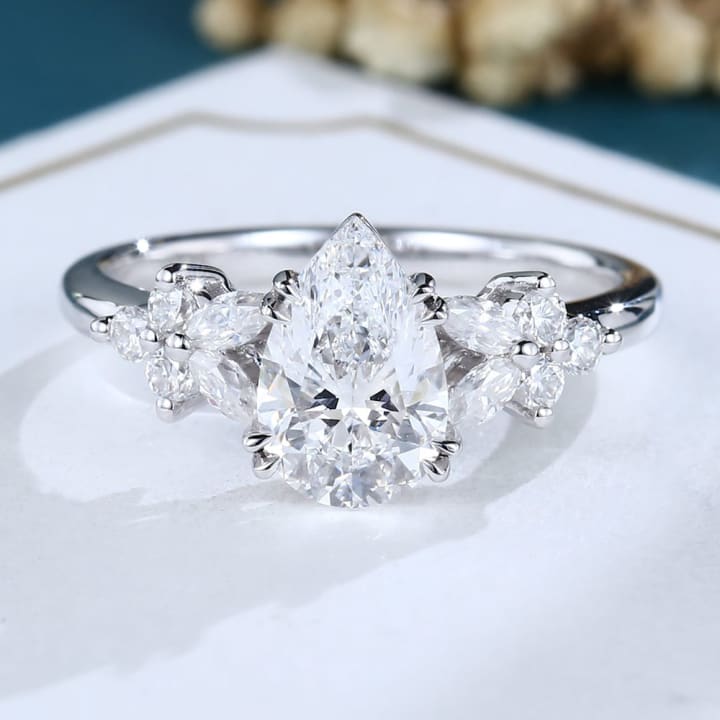
Since lab-grown diamonds circumvent many of the processes involved in mining, they can be offered at a lower cost compared to mined diamonds. This price advantage makes diamonds more accessible to a wider audience, allowing consumers to opt for larger or better-quality diamonds within the same budget.
3. Environmental Impact:
Diamond labs significantly reduce the ecological footprint associated with diamond extraction. Producing diamonds in a lab setting uses less water and energy and creates less waste than traditional mining, supporting a more sustainable approach to fine jewelry.
4. Quality and Variety:
Lab-grown diamonds produced in diamond labs are of high quality and can be crafted to meet specific customer preferences for size, color, and clarity. This customization ensures that consumers do not have to compromise on their desires, enabling them to own precisely what they envision.
Choosing the Right Diamond Lab
When selecting a diamond lab for purchasing lab-grown diamonds, consumers should consider several factors to ensure they receive the best value and quality:
1. Certification: Opt for diamonds that have been certified by reputed organizations like the Gemological Institute of America (GIA) or the International Gemological Institute (IGI). These certifications confirm the authenticity, quality, and characteristics of lab-grown diamonds.
2. Technology: Research the technology and processes used by the diamond lab. Labs utilizing the latest advancements in HPHT and CVD technologies are likely to offer superior quality diamonds with better ethical standards.
3. Transparency: Choose a lab that provides detailed information about the origins and creation process of their diamonds. Transparency in these areas reflects the lab’s commitment to ethical practices and quality assurance.
4. Reviews and Reputation: Before making a purchase, read reviews and research the lab’s reputation in the industry. A reputable diamond lab will have a track record of satisfied customers and a strong presence in the market.
The Future of Diamond Labs
As consumer awareness and demand for sustainable and ethical products continue to grow, diamond labs are poised to play a pivotal role in the future of the jewelry industry. With advancements in technology and processes, the quality and production efficiency of lab-grown diamonds will only improve, making them an increasingly popular choice among consumers.
In conclusion, diamond labs represent a transformative development in the world of fine jewelry, offering a blend of ethical sourcing, environmental consciousness, and accessible luxury. As they continue to evolve, diamond labs not only challenge traditional practices but also pave the way for a more sustainable and transparent jewelry industry.
About the Creator
Mother’s Day Jewelry: Timeless Gifts That Celebrate Love and Appreciation
Mother’s Day jewelry is one of the most heartfelt ways to express love, appreciation, and respect for mothers. Unlike ordinary gifts, jewelry holds emotional value and becomes a lasting reminder of special moments. From elegant gemstone rings to delicate necklaces and timeless bracelets, Mother’s Day jewelry beautifully symbolizes the unconditional bond between a mother and her family.
By Margaret Johnson3 days ago in Marriage



Comments
There are no comments for this story
Be the first to respond and start the conversation.