
The Heart of Us: Understanding the Psychology of Marriage
How Human Connection, Commitment, and Communication Shape Lifelong Bonds
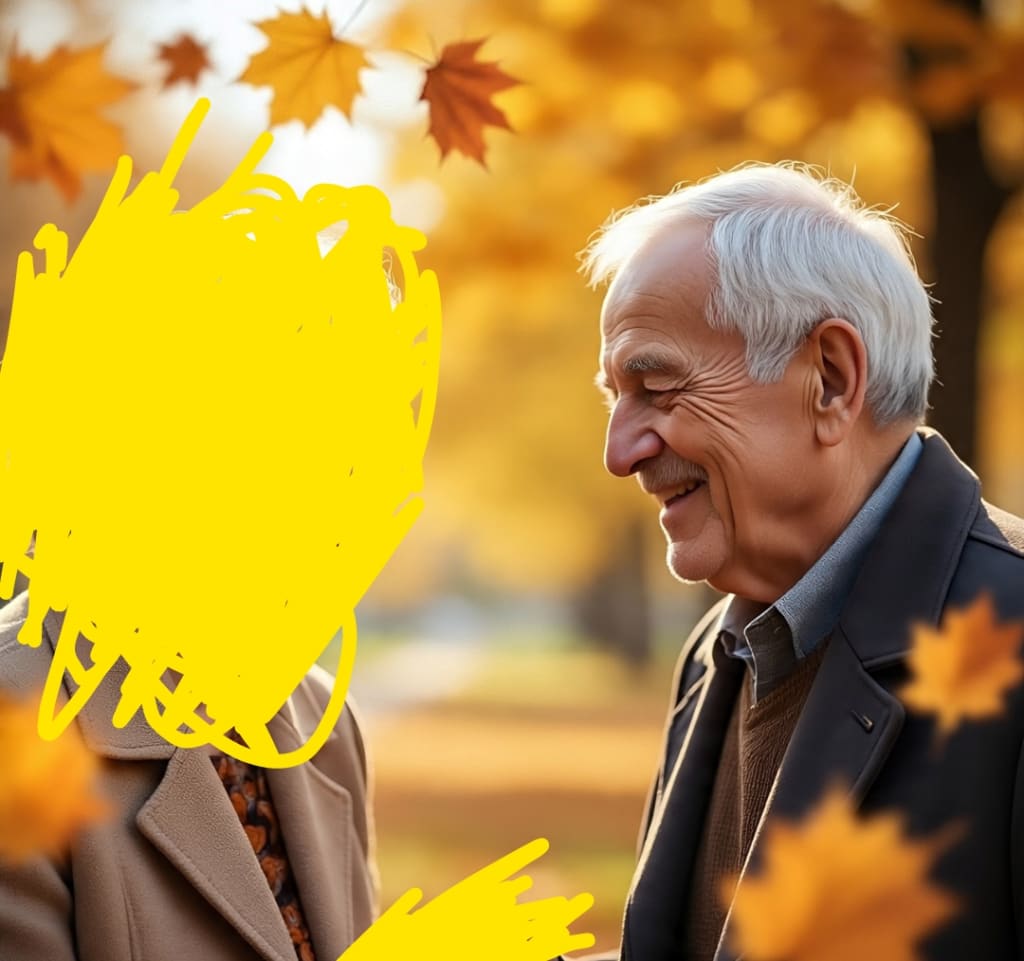
The Heart of Us: Understanding the Psychology of Marriage
Marriage has been a cornerstone of human society for millennia, yet its true nature goes far beyond legal contracts or social rituals. At its core, marriage is a profound psychological journey—a delicate dance of connection, commitment, and communication that shapes who we are and how we thrive. Exploring the psychology behind marriage reveals not just how couples stay together, but why and how they grow together over time.
The Foundations: Connection and Attachment
Human beings are wired for connection. Psychologists have long studied attachment—the deep emotional bonds that form between people, especially in intimate relationships. From infancy, our brains seek secure attachment as a foundation for emotional safety. Marriage, in many ways, is an extension of this primal need.
In healthy marriages, partners serve as emotional “safe havens,” providing comfort and security amid life’s stresses. This secure attachment fosters trust and allows vulnerability—two critical ingredients for emotional intimacy. When spouses can openly share fears, dreams, and weaknesses without judgment, their bond deepens. This emotional attunement activates the brain’s reward centers, releasing oxytocin and dopamine, hormones linked to bonding and pleasure.
But attachment is also about balance. Overdependence can lead to anxiety, while emotional distance breeds loneliness. Successful couples learn to navigate this balance, maintaining closeness while respecting each other’s individuality.
The Power of Commitment
While connection creates intimacy, commitment acts as the glue that holds marriages through ups and downs. Psychological research shows that commitment isn’t merely a conscious decision but also a powerful motivational force. Committed partners prioritize the relationship, invest effort during challenges, and envision a shared future.
This commitment creates resilience. When conflicts arise—as they inevitably do—committed couples are more likely to view problems as solvable rather than deal-breakers. They engage in constructive communication, seeking compromise rather than victory. This mindset is a cornerstone of what psychologists call “relationship maintenance.”
Interestingly, commitment also influences how couples interpret their partner’s actions. When trust is high, people tend to give their spouse the benefit of the doubt, attributing negative behavior to external stress rather than personal flaws. This positive bias nurtures forgiveness, an essential element for long-term satisfaction.
Communication: The Lifeblood of Marriage
Perhaps no aspect of marriage psychology is more extensively studied than communication. How couples talk—and listen—to each other shapes the quality and longevity of their relationship. Research highlights several key communication skills linked to marital success.
First, active listening. Truly hearing a partner’s perspective—without interrupting or immediately responding—builds empathy. Validating a partner’s feelings, even if you disagree, fosters connection and reduces defensiveness.
Second, expressing emotions openly and honestly is crucial. Bottling up frustrations can lead to resentment, while gentle honesty promotes understanding. However, communication isn’t just about words; nonverbal cues—tone of voice, facial expressions, and body language—carry powerful messages. Couples who tune into these subtleties tend to resolve conflicts more effectively.
Third, using “I” statements instead of accusatory “you” statements helps prevent blame and keeps discussions constructive. For example, saying “I feel hurt when plans change suddenly” invites dialogue, while “You never stick to our plans” triggers defensiveness.
The Evolution of Marriage Over Time
Marriage is not static; it evolves as partners grow individually and together. Early years often brim with passion and idealism, while later years bring deeper companionship and shared history. Psychological theories describe this progression in stages, where couples move from “romantic love” to “companionate love.”
The challenge lies in navigating these shifts. Couples who adapt by nurturing friendship, shared goals, and mutual respect tend to maintain satisfaction over decades. They recognize that while the intensity of passion may wane, the comfort of trust and understanding often deepens.
Life transitions—such as parenthood, career changes, or retirement—test marriages in unique ways. Psychological resilience within the relationship helps partners weather these storms, provided they continue to communicate, support each other, and maintain their bond.
The Role of Individual Psychology
It’s important to note that marriage psychology is not just about the couple—it’s also about each individual’s history and mindset. Early life experiences, personality traits, and mental health all shape how people approach marriage. For example, someone with a secure attachment style typically finds it easier to trust and connect, while those with anxious or avoidant tendencies may struggle more.
Therapists often help couples by exploring these personal dynamics and teaching new ways to relate. The goal is to create a partnership where both individuals feel seen, valued, and supported.
Why Understanding Marriage Psychology Matters
In a world where divorce rates remain significant and many face relationship challenges, understanding the psychology of marriage offers hope and practical guidance. It reminds us that marriage is not a destination but a dynamic process requiring attention, empathy, and effort.
By embracing the science behind connection, commitment, and communication, couples can build marriages that are not just lasting but deeply fulfilling. They learn that marriage is not about perfection but about growing together through imperfections—building a shared story rich with meaning, trust, and love.
About the Creator
Keep reading
More stories from Muhammad Saad and writers in Marriage and other communities.
Two Roads to Forever: Exploring Love and Arranged Marriages
Marriage is a sacred bond in Islam—one built not just on emotion, but on commitment, mercy, and the intention to build a life together under the guidance of Allah. Around the world, Muslims come together in two main ways: love marriages and arranged marriages. Though the approaches may be different, both paths can lead to a beautiful, lasting union. This is the story of two Muslim couples—Ayaan and Zoya, who married for love, and Hamza and Hafsa, who met through a family-arranged proposal. Ayaan & Zoya: A Love Grown in Halal Boundaries Ayaan and Zoya met at university during a group project. From the beginning, their connection was rooted in mutual respect. They shared the same values, prayed together on campus, and kept their interaction within Islamic boundaries. Over time, they realized their goals and beliefs aligned—not just academically but spiritually and personally. Instead of rushing into a relationship, Ayaan approached his parents, expressing his desire to marry Zoya. Zoya did the same. With both families’ blessings, the couple proceeded with nikah (marriage), prioritizing their deen (faith) as they built their life together. What made their love marriage strong wasn’t just the emotional bond—it was the effort they put into preparing for marriage. They attended premarital Islamic counseling, learned about the rights and responsibilities of spouses, and regularly made dua (prayer) for barakah (blessing) in their union. Hamza & Hafsa: A Match Made Through Trust and Values Hamza had always trusted his parents' judgment. When his mother suggested he meet Hafsa, a family friend’s daughter, he agreed with an open heart. Hafsa was shy but curious. She, too, had faith that if her parents suggested someone, they had good reason. Their first meeting was supervised and respectful. They discussed their values, dreams, and how they envisioned marriage. To their surprise, they discovered much in common—both loved simplicity, wanted to raise a family close to the deen, and prioritized character over wealth or status. After a few guided meetings and istikhara (a prayer for guidance), they felt peace in their hearts. Their arranged marriage was not forced—it was a decision made with mutual consent, guided by Islamic teachings and the wisdom of their elders. Their relationship blossomed over time. Trust and love grew gradually. What made their journey beautiful was the patience and effort they both invested, learning each other’s personalities with kindness. Two Paths, One Purpose While Ayaan and Zoya’s love began before marriage and Hamza and Hafsa’s developed after, both couples shared something profound: commitment, respect, and the intention to please Allah in their union. In Islam, neither love marriage nor arranged marriage is superior. What matters most is the sincerity of the individuals, the consent of both parties, and the effort made to build a strong foundation. The Prophet Muhammad (peace be upon him) encouraged marriage based on deen (religious commitment) above all. Each approach has its strengths: Love marriages often begin with emotional closeness. When guided by Islamic principles, this bond can be strengthened by shared effort, respect, and proper communication. Arranged marriages often begin with trust and intention. When both spouses are open and patient, love can naturally grow through shared experiences and mutual support. The Real Secret: Working Together A successful marriage—regardless of how it begins—requires effort, sacrifice, and a constant turning to Allah. Both Ayaan and Zoya, and Hamza and Hafsa, learned that love is not just a feeling but an action. It’s in the small things: making tea after a long day, listening without judgment, praying together, and forgiving quickly. They also learned that challenges would come, but facing them as a team, with compassion and patience, makes the bond stronger. Whether love came first or followed later, what sustained the marriage was character, faith, and intention. Final Reflection In the end, the way two people come together is less important than how they walk the journey afterward. Love marriages and arranged marriages both have the potential to be deeply fulfilling, harmonious, and spiritually enriching. When built on the foundation of Islam, mutual respect, and genuine effort, either road can truly lead to forever. So, whether hearts meet before the wedding or grow closer with every passing day, the real beauty lies in walking the path together—with love, patience, and trust in Allah.
By Muhammad Saad 6 months ago in Marriage


Comments
There are no comments for this story
Be the first to respond and start the conversation.