
Oxytocin's Magic: 5 Practical Steps Couple Can Take in Marriage
[The Power of Affection and Closeness in Sustaining Love in Marriage]

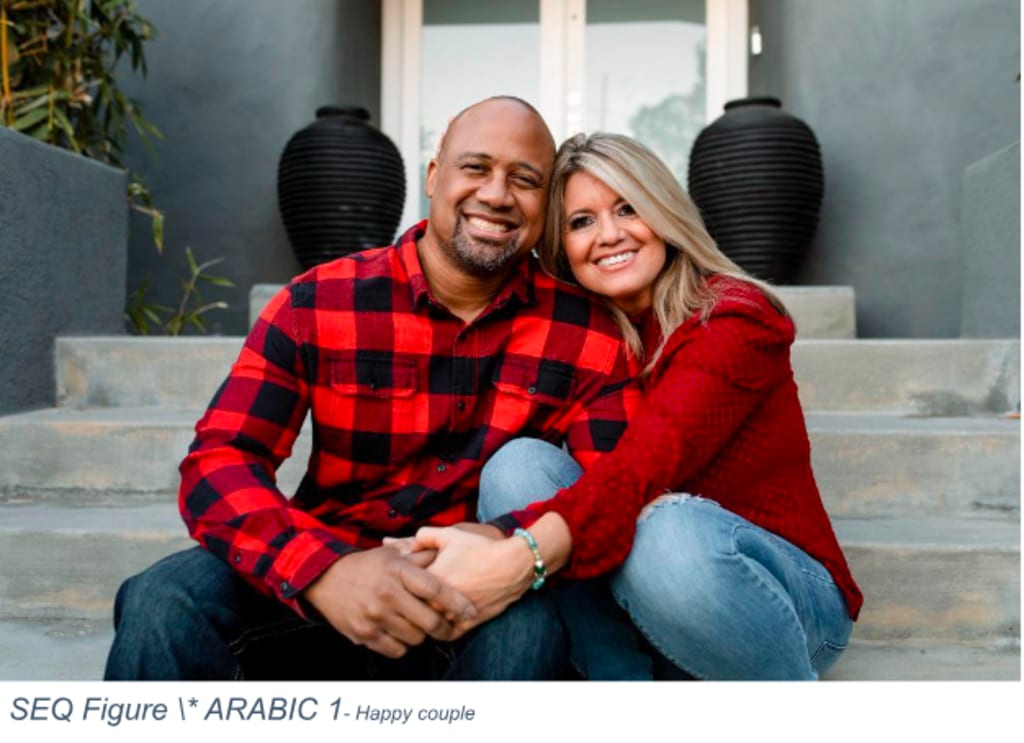
Have you ever wondered what makes love last in a marriage? What is it that strengthens the bond between two people over the years, through the ups and downs of life? While there is no one-size-fits-all answer, science is revealing a fascinating connection between a hormone called oxytocin and the sustaining power of affection and closeness in marriage.
In the journey of marriage, couples often seek the secret ingredient that keeps their love alive. It turns out that oxytocin, often dubbed the "love hormone" or "cuddle hormone," plays a crucial role in forging and maintaining emotional connections. Let's delve into the science, the stories, and the magic of oxytocin in sustaining love within the sacred institution of marriage.
Understanding Oxytocin: The Love Hormone
Oxytocin, a neuropeptide produced by the hypothalamus and released by the pituitary gland, is best known for its role in childbirth and breastfeeding. However, recent research has expanded our understanding of oxytocin, revealing its significance in social bonding, trust, and emotional intimacy. In the words of Jacqueline Olds, a professor at Harvard Medical School (HMS);
“Oxytocin, known also as the love hormone, provokes feelings of contentment, calmness, and security, which are often associated with mate bonding.”
The Love Connection: Oxytocin and Emotional Bonding
A 2012 study showed that couples, at the beginning of their love journey, had an increased level of Oxytocin. Similarly, Dr. Zak, conducted a unique study during the wedding of a New Scientist reporter, Linda Geddes, and her fiancé. He collected blood samples from the bride, groom, close family members, and friends before and after the wedding vows. The results revealed that the ceremony caused oxytocin levels to increase in the guests. Interestingly, the bride had the highest oxytocin increase, followed by close family members and then less closely involved friends, corresponding to the emotional engagement of each guest. This study created a "human solar system" with the bride as the central figure, highlighting how oxytocin finely tunes to emotional warmth in different individuals during the event.
In the context of marriage, oxytocin emerges as a star player. It's the hormone that floods our brains when we engage in intimate activities such as hugging, kissing, or cuddling with our partner. This rush of oxytocin enhances emotional closeness, trust, and affection, creating a profound sense of connection between spouses. Researchers such as Dr. Ruth Feldman, a pioneer in oxytocin research, along, found that oxytocin levels rise in both men and women during loving interactions. In her words,
"A couples’ intervention program including warm and affectionate touch was found to induce an “endocrine fit” between partners."
Oxytocin's Role in Conflict Resolution
Marriage isn't all sunshine and rainbows; conflicts are inevitable. However, oxytocin doesn't just fuel the flames of passion; it's also the soothing balm that can heal wounds. Research by Love Tiffany in 2018 has shown that oxytocin reduces stress levels and promotes calmness. So, during a marital spat, a warm hug or a reassuring touch can trigger an oxytocin release that facilitates conflict resolution.

Nurturing Intimacy: Practical Steps for Married Couples
In today's fast-paced world, maintaining intimacy in marriage can be challenging. Work, screens, and the hustle and bustle of daily life often take precedence over quality time with our spouses. As Zak Paul puts it;
“We should all be doing more to boost oxytocin in benign ways. Including a minimum of eight hugs a day (pets count, too); massage and even soppy movies seem to work”:
The good news is that nurturing intimacy in marriage is within reach. Here are some practical steps inspired by oxytocin's magic:
1. Quality Time: Dedicate time to connect with your spouse. Put away screens, sit together, and engage in meaningful conversations.
2. Physical Affection: Don't underestimate the power of touch. Hugging, cuddling, and holding hands can release oxytocin and strengthen your emotional connection.
3. Express Gratitude: Regularly express your love and appreciation. Dr. John Gottman, a renowned psychologist, emphasizes the importance of a positive feedback loop in marriage.

4. Manage Stress: Engage in relaxation techniques together, like meditation or yoga. Reducing stress can create a conducive environment for oxytocin to flourish.
5. Seek Professional Help: If marital challenges become overwhelming, don't hesitate to seek the guidance of a couples’ therapist. They can provide valuable insights and tools to strengthen your relationship.
It is right to agree that in the intricate dance of marriage, oxytocin plays a remarkable role. It fosters emotional intimacy, helps resolve conflicts, and bolsters the foundations of monogamy. By understanding the science behind oxytocin and applying these practical steps to nurture affection and closeness, couples can sustain the magic of love throughout their married lives. As Dr. Helen Fisher, a renowned anthropologist, beautifully puts it, "Romantic love is not an emotion; it's a drive. It comes from the wanting part of the mind, the craving part." And oxytocin, with its remarkable capacity to enhance emotional connections, could be the fuel that keeps that motor running.
See also:
Love, Endorphins, and Happily Ever After: How Endorphins Shape Date Night Happiness and Lasting Love for Young Couples
Do The 4 Happy Hormones have anything to do with Love? [How Dopamine, Serotonin, Oxytocin, and Endorphins Shape Love]
Serotonin- 3 Things Couples Can Do to Foster Intimacy [Navigating Emotional Bonds Through Quality Time Together]
References:
Feldman, R., Zagoory-Sharon, O., Leckman, J. F., & Gordon, I. (2010). Oxytocin and the development of parenting in humans. Biological psychiatry, 68(4), 377–382. https://doi.org/10.1016/j.biopsych.2010.02.005
Love T. M. (2018). The impact of oxytocin on stress: the role of sex. Current opinion in behavioral sciences, 23, 136–142. https://doi.org/10.1016/j.cobeha.2018.06.018
Paul J. Zak (2012). The Moral Molecule: The Source of Love and Prosperity. Bantam Press.
Schneiderman, I., Zagoory-Sharon, O., Leckman, J. F., & Feldman, R. (2012). Oxytocin during the initial stages of romantic attachment: relations to couples' interactive reciprocity. Psychoneuroendocrinology, 37(8), 1277–1285. https://doi.org/10.1016/j.psyneuen.2011.12.021
About the Creator
Liv180 - Couple Events In Austin
Step into a world of shared adventures with LIV180 — the ultimate couple’s experience platform. Uniquely exclusive, LIV180 is your gateway to a thriving community of love and togetherness.
Keep reading
More stories from Liv180 - Couple Events In Austin and writers in Marriage and other communities.
Serotonin- 3 Things Couples Can Do to Foster Intimacy
In the realm of romantic relationships, the chemistry between two individuals extends beyond mere attraction. The intertwining of emotions and companionship forms the foundation of a healthy relationship. While love is often considered an abstract concept, Research by Young in 2007 reveals that the release of neurotransmitters like serotonin and endorphins plays a pivotal role in fostering emotional bonds. This article delves into the fascinating connection between these neurochemicals and intimacy, shedding light on how quality time together can fortify the emotional fabric of a couple's relationship.
By Liv180 - Couple Events In Austin2 years ago in Marriage
The Last Letter at Kew Gardens
The air in Richmond was crisp, carrying the faint, earthy scent of damp soil and the promise of early crocuses. Arthur adjusted his woollen scarf—a deep navy blue that matched his eyes—and checked his pocket watch. It was half-past ten. In London, Valentine’s Day usually arrived with a frantic rush of overpriced roses and desperate dinner reservations, but here, within the iron gates of Kew Gardens, time seemed to decelerate.
By Mohd Kaish7 days ago in Marriage




Comments
There are no comments for this story
Be the first to respond and start the conversation.