
Mastering the Art of Black and White Wedding Photography
Capturing Timeless Elegance: A Guide to Creating Stunning Monochrome Wedding Memories

The Timeless Appeal of Monochrome
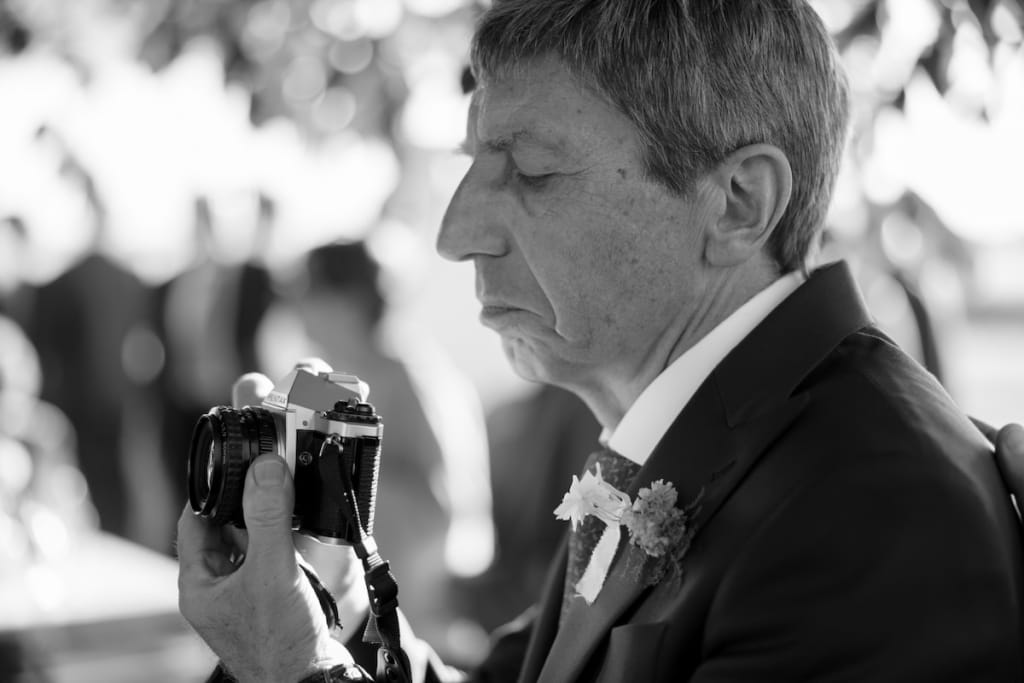
In the world of wedding photography, black and white imagery stands as `a timeless testament to love and commitment. This classic style has the power to strip away distractions and focus on the raw emotions of the day, creating images that will be cherished for generations. For photographers looking to specialize in black and white wedding photography, mastering this art form requires a combination of technical skill, creative vision, and an understanding of light and shadow.
Camera Settings: The Technical Foundation
The foundation of exceptional black and white wedding photography lies in camera settings and technique. Shooting in RAW format is essential, as it provides the greatest flexibility in post-production. Low ISO settings (typically between 100-400) help minimize noise and ensure clean, crisp images. While the ideal aperture can vary depending on the desired effect, a medium range of f/4 to f/8 often strikes a balance between sharpness and depth of field. Manual white balance settings can prevent unwanted color casts that may affect the final monochrome conversion.
The Power of Light and Shadow
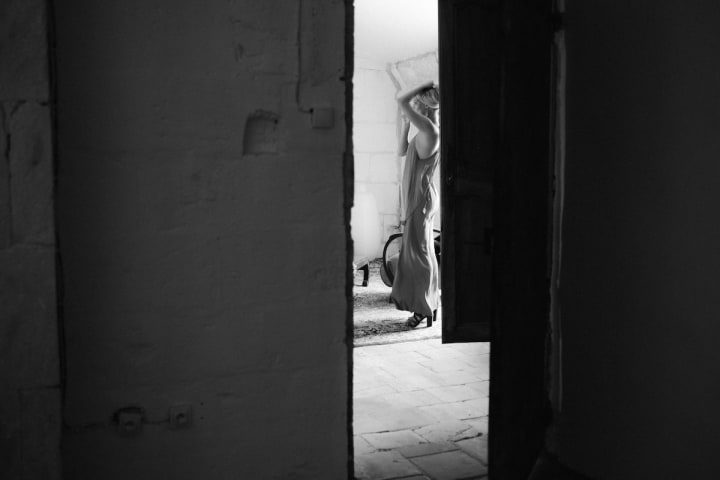
Lighting is perhaps the most crucial element in black and white photography. Natural light, when available, often produces the most flattering results. Positioning subjects near windows or in outdoor settings can create beautiful, soft illumination. However, mastering artificial lighting is equally important. An external flash with a diffuser can soften harsh shadows, while experimenting with backlighting can produce striking silhouettes and dramatic contrasts. The interplay of light and shadow becomes even more pronounced in black and white, so photographers must train their eyes to see these elements and use them to create depth and dimension in their images.
Composition: Framing Without Color
Composition takes on new significance when color is removed from the equation. Strong geometric shapes, leading lines, and the rule of thirds become powerful tools for creating visually compelling images. Textures and patterns that might be overlooked in color photography can become focal points in black and white. The contrast between light and dark areas can be used to guide the viewer's eye and emphasize the subject. Photographers should strive to create a balance of elements within the frame, using negative space to enhance the impact of the main subject.
The Art of Post-Production
Post-production plays a vital role in crafting the final look of black and white wedding photos. While many cameras offer in-camera black and white conversion, shooting in color and converting later provides greater control. Software like Adobe Lightroom or Photoshop offers powerful tools for fine-tuning contrast, brightness, and tonal range. The dodging and burning technique, borrowed from darkroom days, allows photographers to selectively lighten or darken specific areas of an image, adding depth and directing focus. Experimenting with different black and white tones can help create a signature style or match the mood of the wedding.
Capturing Emotions and Telling the Story
Beyond technical considerations, successful black and white wedding photography hinges on capturing genuine emotions and telling the story of the day. Candid moments often translate beautifully to black and white, stripping away distractions and focusing on expressions and interactions. Detail shots of rings, dress textures, or architectural elements can add depth to the wedding story when rendered in monochrome. Varying shots between close-ups, medium shots, and wide angles helps create a comprehensive narrative of the event.
The Importance of Client Communication
Communication with the couple is key to ensuring their vision aligns with the photographer's style. Some couples may prefer a mix of color and black and white images, while others might want an entirely monochrome album. Understanding their expectations and preferences allows the photographer to tailor their approach accordingly.
The Journey to Mastery
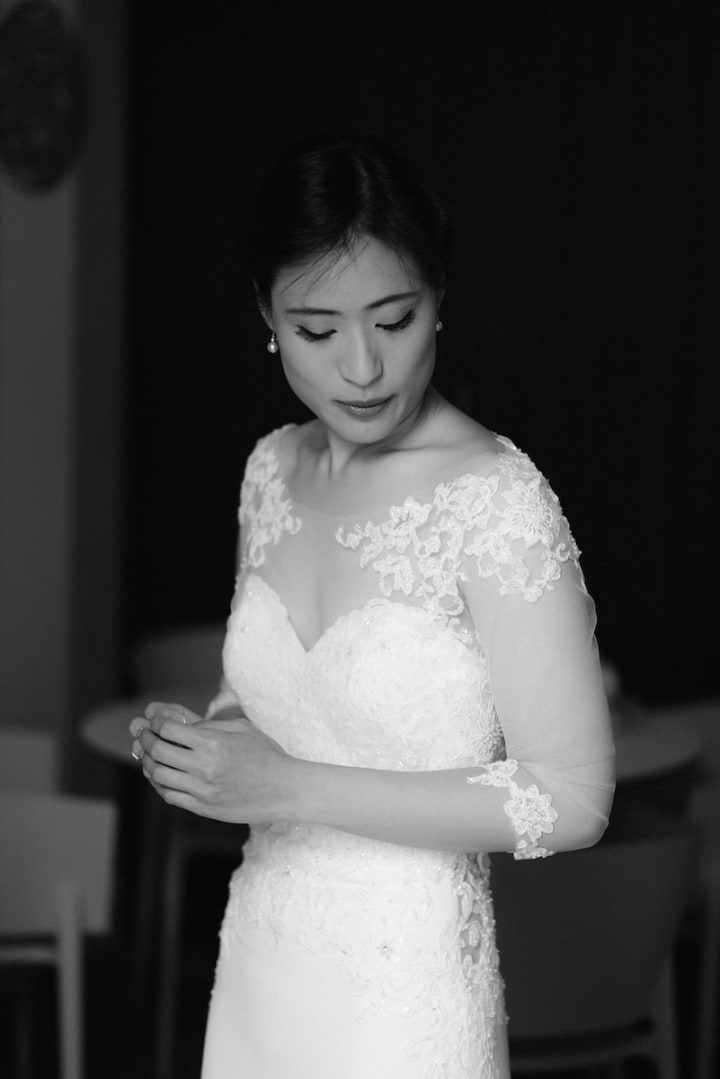
Mastering black and white wedding photography is a journey that requires practice, experimentation, and a keen eye for light and composition. By honing these skills and developing a unique style, photographers can create timeless images that capture the essence of a couple's special day, preserving memories in elegant black and white for years to come.
About the Creator
Massimo Di Vona
I love nature and the great outdoors. I'm passionate about computers and technology. I'm also a blogger.
Keep reading
More stories from Massimo Di Vona and writers in Marriage and other communities.
Say "I Do" in Paradise: Top 3 Wedding Destinations in Provence
With its rolling lavender fields, charming villages, and Mediterranean coastline, this region offers a perfect blend of natural beauty and cultural richness. Here are the top three destinations in Provence that will make your wedding truly unforgettable.
By Massimo Di Vonaabout a year ago in Marriage
Beyond the Carat: Why Oval Engagement Rings Are the New Standard of Elegance
Every engagement story begins with a spark, but for me, it began with a realization: not all diamonds are created equal. When I started my search for the perfect ring, I was blinded by the "Four Cs." I thought that as long as the certificate looked good, the ring would be perfect. I was wrong.
By Mohd Kaish4 days ago in Marriage


Comments
There are no comments for this story
Be the first to respond and start the conversation.