
Marriage: A Bond Beyond Ceremony
Understanding the Meaning, Challenges, and Beauty of Lifelong Partnership

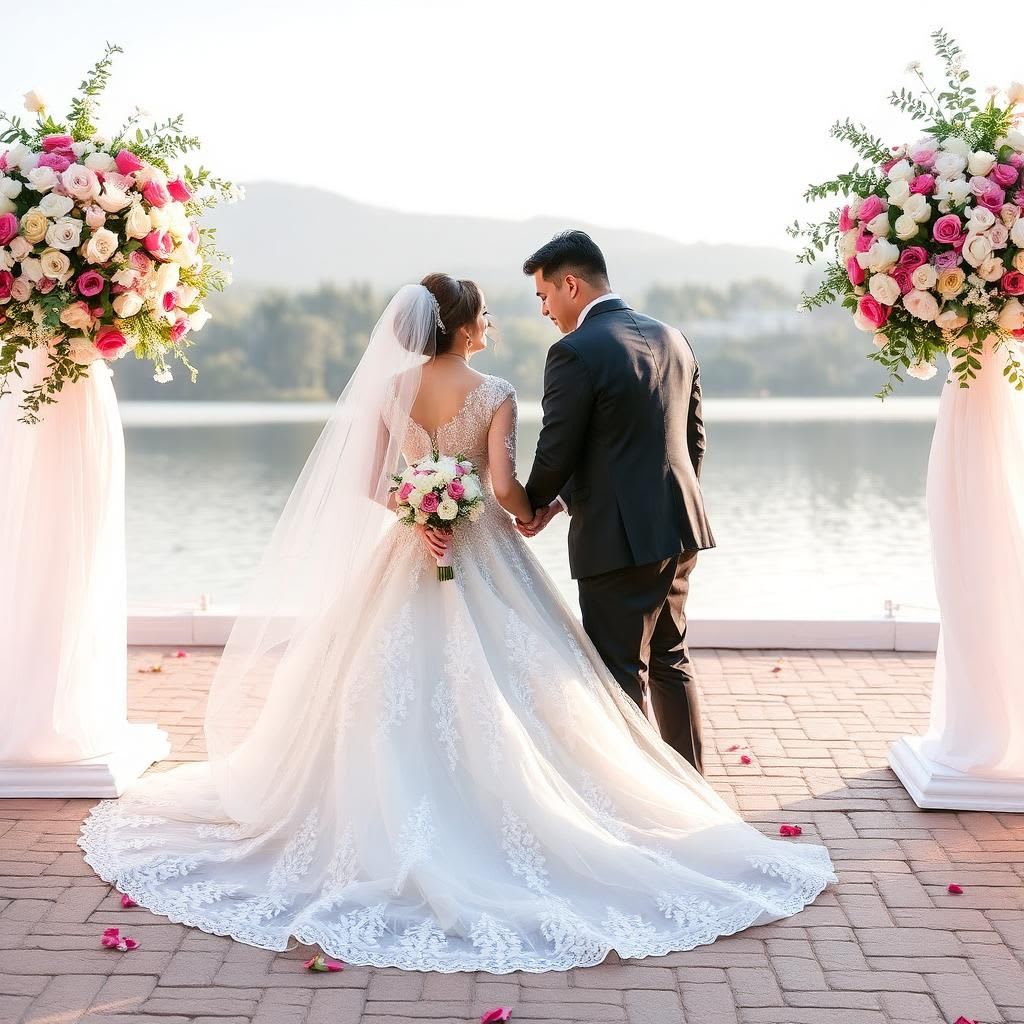
Introduction: What Is Marriage, Really?
Marriage is often seen as the ultimate commitment between two people—a symbol of love, loyalty, and shared destiny. Across continents, cultures, and centuries, marriage has served as a central pillar of society. While the definition and structure of marriage have evolved over time, its emotional and symbolic importance has remained.
But what truly defines marriage in the 21st century? Is it simply a legal union, a romantic ideal, or a cultural tradition? The truth is, marriage is a blend of all these things—and much more.
The Historical Roots of Marriage
Historically, marriage wasn’t always about love. In many societies, especially before the modern era, marriage served as an economic or political arrangement. It was used to secure alliances, combine property, and preserve bloodlines.
Love marriages are a relatively modern development. The rise of individual choice in romantic relationships, particularly in the West, shifted the focus of marriage from duty to desire. Today, love is often considered the primary reason to marry—but cultural traditions and expectations still play a major role around the world.
Why People Marry Today
Despite societal changes, marriage remains a deeply meaningful milestone for many. People marry for different reasons, and often, it’s a mix of the following:
Love and Emotional Connection: The most celebrated reason—people marry to affirm their deep affection and bond with someone.
Family and Social Expectation: In many cultures, marriage is expected once people reach a certain age or life stage.
Legal and Financial Benefits: Marriage can bring shared insurance, inheritance rights, tax benefits, and legal recognition.
Desire for Children or Family Life: Marriage often provides a perceived stable environment to raise children.
Religious and Cultural Values: For many, marriage is a sacred duty tied to faith and identity.
In some cases, marriage is also a path toward immigration, stability, or social status—reminding us that it’s both a personal and practical decision.
The Emotional Side of Marriage
Marriage is often romanticized as a “happily ever after.” But real-life marriage involves far more than affection and attraction. It's a living, dynamic partnership that evolves as the people within it grow and change.
At its best, marriage can provide:
Emotional Safety: A place to be vulnerable, seen, and supported.
Companionship: A steady presence through life’s ups and downs.
Growth: A relationship that challenges both people to be their best selves.
But marriage can also be difficult. Conflicts, differences in values, miscommunication, and external stressors (like money, illness, or career pressure) can test even the strongest unions.
Common Challenges in Modern Marriage
Marriage isn’t easy. Despite love, many couples face serious obstacles that require effort, patience, and sometimes professional help to overcome. Common issues include:
Communication Breakdowns
Many marital problems stem not from big betrayals, but from small misunderstandings that build up over time. Honest, respectful dialogue is essential.
Different Life Goals
Sometimes people grow apart—not because they stop loving each other, but because their visions for life diverge.
Loss of Intimacy
Emotional and physical closeness can fade without regular nurturing, especially in long-term marriages.
External Stressors
Financial hardship, family issues, or mental health challenges can strain a marriage from the outside in.
Unrealistic Expectations
Many people expect their partner to “complete” them or make them happy all the time—an impossible burden.
The reality is, every marriage has its tough seasons. What often separates lasting marriages from failed ones is not the absence of conflict, but the presence of commitment and mutual effort.
What Makes a Marriage Last?
Successful marriages don’t just happen—they’re built. While there’s no perfect formula, couples in long-lasting, fulfilling marriages often share certain habits and values:
Mutual Respect: Accepting and valuing each other’s differences without trying to control or change one another.
Trust and Honesty: Being reliable and transparent builds the emotional foundation of any marriage.
Teamwork: Viewing problems as “ours” instead of “yours” or “mine” strengthens the bond.
Appreciation: Simple acts of gratitude go a long way in keeping love alive.
Shared Purpose: Having common goals—whether it’s raising children, building a life, or supporting each other’s dreams—gives marriage meaning.
Many couples also benefit from counseling at various stages—not just when things go wrong, but to build tools for communication, growth, and intimacy.
Changing Definitions of Marriage
Marriage today doesn’t look like it did even 50 years ago. Societal norms have shifted, and people are rethinking what it means to be committed.
Same-Sex Marriage: Legal in many countries, same-sex marriage has challenged traditional norms and expanded the understanding of love and partnership.
Late Marriage: Many people now choose to marry later in life, often after establishing careers or personal independence.
Living Together Without Marriage: Some couples choose long-term partnership without legal marriage, valuing emotional connection over formal vows.
Open or Non-Traditional Marriages: Some couples explore non-monogamous relationships, based on mutual agreement and boundaries.
While controversial in some cultures, these changes reflect a broader truth: marriage is becoming more about choice than obligation.
Marriage Isn’t for Everyone—and That’s Okay
Not everyone wants to marry, and that choice deserves respect. Many people lead full, meaningful lives without marriage, finding connection through friendships, extended families, or solo journeys.
The idea that marriage is the “only” path to fulfillment is fading. Today, the most important question isn’t whether you marry—but why and how.
Conclusion: A Lifelong Journey
Marriage is not the end of a love story—it’s the beginning of a shared life. It’s a journey with no clear map, filled with both quiet days and stormy nights. But for those who choose it with open eyes and open hearts, marriage can be a powerful force for companionship, growth, and meaning.
It’s not about perfection. It’s about showing up, every day, and choosing each other—even when it’s hard. Especially when it’s hard.
Marriage, at its core, is not about being the same. It’s about walking side by side in the same direction.
About the Creator
MANZOOR KHAN
Hey! my name is Manzoor khan and i am a story writer.
Keep reading
More stories from MANZOOR KHAN and writers in Marriage and other communities.
"Echo of Me"
I first met myself in a café two blocks from my apartment. I was reading the paper, sipping burnt coffee, when a man stepped in from the rain. He shook off his coat, looked around—and stopped cold when he saw me. His face was pale. His eyes widened in disbelief.
By MANZOOR KHAN6 months ago in Futurism
Mother’s Day Jewelry: Timeless Gifts That Celebrate Love and Appreciation
Mother’s Day jewelry is one of the most heartfelt ways to express love, appreciation, and respect for mothers. Unlike ordinary gifts, jewelry holds emotional value and becomes a lasting reminder of special moments. From elegant gemstone rings to delicate necklaces and timeless bracelets, Mother’s Day jewelry beautifully symbolizes the unconditional bond between a mother and her family.
By Margaret Johnson4 days ago in Marriage
Miss Persephone's Manual to a Seemingly Ordinary Life
Miss Persephone was found at the dining table, her blue eyes swollen, her tears arriving and retreating like the tides of the ocean. Earlier that day, her family had visited her in the retirement home where she had lived for eight years. It was her eightieth birthday.
By Imola Tóth2 days ago in Fiction


Comments
There are no comments for this story
Be the first to respond and start the conversation.