
HOW DO YOU DEAL WITH FEELING UNAPPRECIATED IN A MARRIAGE?
Understanding and Addressing the Feeling of Being Unappreciated in a marriage for a Healthier,more fulfilling Relationship.


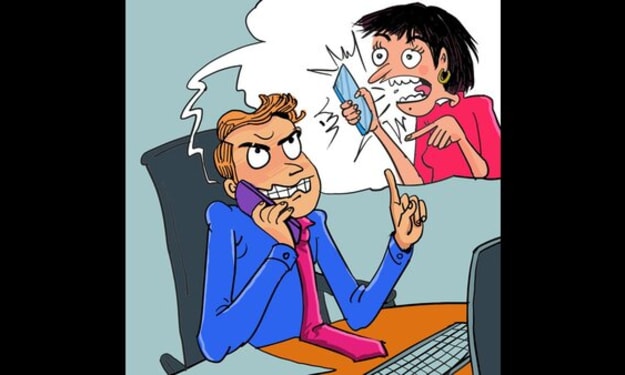
Dealing with feelings of being unappreciated in a marriage can be challenging and emotionally draining. It's not uncommon for individuals to experience moments where they feel overlooked, undervalued, or even invisible, especially when they feel their efforts aren’t being recognized. However, it’s important to understand that feeling unappreciated can be addressed through communication, reflection, and intentional changes within the relationship. Here’s how you can navigate this situation:
(I)Recognize and Acknowledge Your Feelings
The first step in dealing with feeling unappreciated is acknowledging your feelings. It’s essential to recognize that feeling unappreciated is valid. Emotions of frustration, sadness, or disappointment are common when you feel your efforts are not being recognized. Sometimes, these feelings can be triggered by unmet needs, like a lack of emotional support or appreciation for your contributions, whether they're related to household duties, career, or emotional labor. Identifying the source of your feelings allows you to communicate your needs.
(II)Open and Honest Communication
One of the most effective ways to address feelings of being unappreciated is through open communication. It’s important to talk to your spouse about how you’re feeling, but it’s crucial to approach the conversation with understanding rather than blaming. Focus on using “I” statements (e.g., “I feel unappreciated when...”) instead of “You” statements (e.g., “You never appreciate me”), as the latter can make your partner feel defensive.
Be clear and specific about what actions or behaviors are making you feel unappreciated. For example, you might say, “I’ve been working hard to maintain the household, and it feels like those efforts go unnoticed.” Avoid generalizations, and instead, try to be as specific as possible, offering examples of situations where you’ve felt undervalued.
(III)Ask for What You Need
Sometimes, we may feel unappreciated because our partners aren’t aware of our needs or don’t realize the extent of our efforts. It’s essential to articulate what you need in terms of appreciation, affection, or support. For example, you might need more verbal affirmations or simple gestures like a hug, a compliment, or a “thank you.”
Let your spouse know how they can show appreciation in ways that resonate with you. Whether it’s through acts of service, quality time, or verbal affirmation, making your needs clear can help bridge the gap of misunderstanding and foster deeper connection.
(IV)Practice Empathy and Understanding
It’s important to acknowledge that your spouse may not be intentionally unappreciative. Life can be busy, and people may not always show their gratitude in ways that align with your expectations. Stress, personal challenges, or even just day-to-day life pressures may prevent your partner from expressing appreciation as frequently as you’d like.
When having the conversation, try to listen to your spouse’s perspective as well. Empathy and understanding on both sides can help both partners feel heard and valued. Take time to consider any external factors affecting their behavior or capacity to express gratitude.
(V)Focus on Self-Appreciation
While seeking validation from your spouse is important, it’s also essential to develop self-appreciation. When you feel unappreciated in a marriage, it can help to remind yourself of your worth, accomplishments, and the positive qualities you bring to the relationship. Engage in self-care practices, pursue activities that make you feel fulfilled, and connect with a support system outside of your marriage to reaffirm your value.
It’s important not to lose sight of your own strengths and the love you have for yourself. Developing self-confidence can empower you to address relationship issues more calmly and assertively.
(VI)Cultivate a Culture of Appreciation in the Marriage
In some cases, one partner may feel unappreciated because the couple’s dynamic has shifted or become routine. To foster a healthier, more appreciative relationship, it can be helpful to cultivate a culture of gratitude. Make it a habit to express appreciation for one another regularly, not just for big achievements but for everyday acts as well. Small gestures, like saying “thank you” for tasks that your partner completes, can go a long way in making both partners feel valued.
Create opportunities for positive reinforcement and celebrate each other’s efforts, no matter how small they may seem. This habit can gradually change the tone of the relationship, shifting it from a place of frustration to one of mutual appreciation.
(VII)Seek Professional Help if Needed
If feelings of being unappreciated persist or if the communication between you and your spouse becomes increasingly strained, it may be helpful to seek professional guidance. A marriage counselor or therapist can help both partners explore underlying issues, improve communication skills, and provide tools for resolving conflicts constructively.
Sometimes, feelings of unappreciation are tied to deeper emotional needs or unresolved issues that may benefit from professional support.
In The End
Feeling unappreciated in a marriage is not an easy experience, but it can be overcome with patience, self-awareness, and effective communication. By recognizing and acknowledging your feelings, having open and honest conversations with your spouse, and expressing your needs clearly, you can create a more appreciative and fulfilling dynamic in your marriage. It’s also essential to practice self-appreciation and empathy while encouraging positive change in your relationship. Remember, a healthy marriage is built on mutual respect, understanding, and gratitude, and with effort from both partners, it’s possible to strengthen the emotional bond and navigate these challenges together.
About the Creator
Badhan Sen
Myself Badhan, I am a professional writer.I like to share some stories with my friends.
Keep reading
More stories from Badhan Sen and writers in Marriage and other communities.
HOW DO YOU HANDLE CHANGES IN YOUR PARTNER'S PERSONALITY OVER TIME?
Handling changes in a partner’s personality over time can be a complex and sometimes challenging experience, but it can also present opportunities for growth, deeper understanding, and an even stronger relationship. People naturally evolve, influenced by a variety of factors such as personal growth, life experiences, health, career changes, and external circumstances. Here are a few approaches and perspectives on navigating this evolving dynamic in a partnership:
By Badhan Senabout a year ago in Marriage


Comments
There are no comments for this story
Be the first to respond and start the conversation.