
HOW DO YOU DEAL WITH A PARTNER'S PERSONAL SETBACKS?
Supporting Your partner through personal Setbacks with Empathy,Patience,and Understanding.

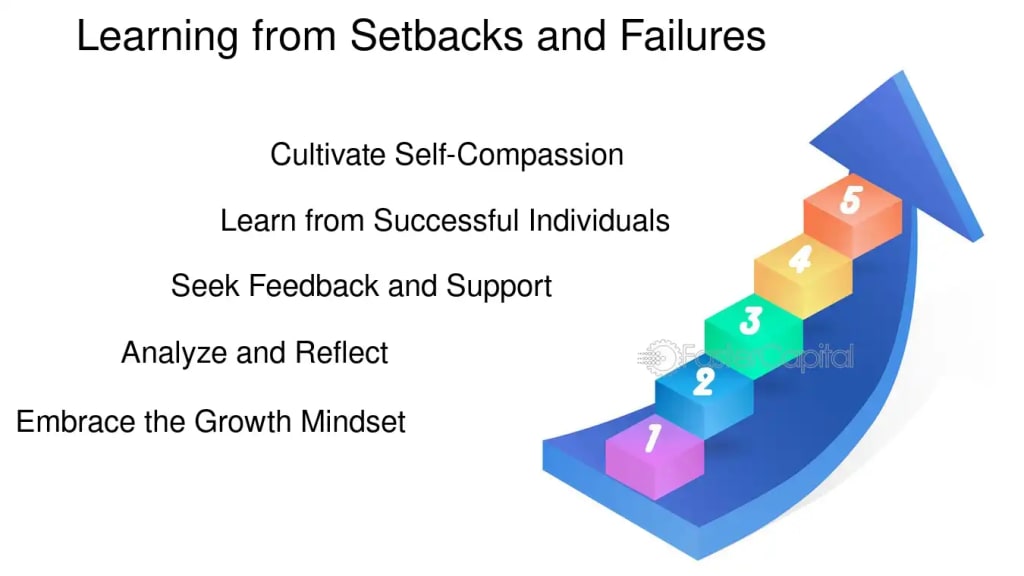
Dealing with a partner’s personal setbacks or failures requires a combination of emotional support, patience, empathy, and understanding. Relationships, whether romantic, platonic, or professional, are built on trust and mutual care, and these qualities are especially important when your partner is going through a difficult time. When your partner experiences failure or setbacks, the way you respond can significantly impact both their ability to cope and the strength of your relationship. Here are several key ways to support a partner during these times:
Provide Emotional Support
The first and most important thing you can do is offer your partner emotional support. Sometimes, people facing setbacks feel alone, isolated, or misunderstood. The feeling of being supported and understood can make a huge difference in how they cope. Let your partner know that you are there for them, not just to fix the situation, but to listen and offer a safe space for them to express their feelings.
You can do this by simply being present and offering a comforting presence. You don't always need to have all the answers, as often the act of listening and empathizing is enough. Be mindful of their emotional state and respond accordingly. If they need to vent, let them, and avoid interrupting or offering solutions right away unless they ask for advice.
Be Empathetic and Non-Judgmental
Failure and setbacks can be emotionally taxing and can lead to feelings of inadequacy or shame. To help your partner navigate these emotions, it's essential to be empathetic and non-judgmental. Avoid making harsh or critical comments that could exacerbate their feelings of failure. Instead, try to understand their experience and acknowledge the difficulty of the situation. You might say, “I can see how much this has affected you,” or “I know this is really tough for you, and I’m here for you.”
Empathy can help your partner feel validated, and it encourages a more open and honest conversation. Judgment, on the other hand, could create a divide and make your partner feel unsupported.
Encourage Self-Reflection and Growth
While providing emotional support is crucial, it’s also important to gently encourage your partner to view the setback as an opportunity for growth. This doesn’t mean minimizing their feelings or pushing them too soon into a “positive thinking” mode. It’s about helping them see the situation from a broader perspective.
You could encourage them to reflect on what they have learned from the experience, how they can use it to grow, or what steps they can take moving forward. You might say, “What do you think you could learn from this? How can we use this experience to grow together?”
However, be careful not to be too forceful with your encouragement. Some people need more time to process their emotions before they’re ready to think about growth or the future.
Be Patient and Respect Their Pace
Everyone processes failure and setbacks at their own pace. While you may want to help your partner move forward quickly, they may need more time to heal or come to terms with their situation. It’s important to give them the space they need without rushing them or pushing them to “get over it.”
Your patience during this time is essential in demonstrating your commitment and care. Let them know that you’re there for them for the long haul, regardless of how long it takes for them to overcome the setback. By respecting their process, you show trust and respect for their emotional needs.
Offer Practical Help if Needed
While emotional support is vital, sometimes a partner may need practical help to overcome a setback. Depending on the nature of their failure or difficulty, this could mean helping them with tasks they are finding overwhelming or offering to take on additional responsibilities for a while. For example, if your partner is struggling with work or a personal project, you could offer to help organize their schedule or take care of household chores.
However, ensure that you do not take on too much yourself, as you don’t want to become overwhelmed or feel resentful later on. Offering help should be done in a way that feels supportive, not burdensome.
Encourage Professional Help if Necessary
Sometimes, personal setbacks can be more than just a temporary challenge and might require professional assistance, such as therapy or counseling. If you notice that your partner is struggling to cope or seems stuck in negative thinking patterns, gently encourage them to seek professional help. You might say something like, “I think it could help to talk to someone who can guide you through this,” or “There’s no shame in asking for help when you need it.”
Seeking professional help is a sign of strength, not weakness, and it can provide valuable tools for coping with difficult situations in the future.
Maintain Open Communication
One of the most important elements in dealing with a partner’s setbacks is maintaining open and honest communication. Let your partner know that they can share their thoughts, feelings, and worries with you without fear of judgment. Regular communication helps you both stay connected and ensures that you are on the same page about how to support one another during tough times.
Be Reassuring
When setbacks happen, people often experience self-doubt or fear about their future. Offering reassurance and reminding your partner of their strengths, past successes, and the things you admire about them can provide a much-needed boost. Remind them that setbacks are part of life and do not define their worth or ability. Simple reassurances, like “I believe in you” or “You’ve overcome challenges before, and I know you can do it again,” can make a world of difference in boosting their confidence.
In The End
Supporting a partner through personal setbacks or failures is a delicate balance between offering emotional support, encouraging growth, and being patient. Each person handles failure differently, so it’s important to approach your partner’s situation with empathy, understanding, and an open heart. The way you respond can strengthen your relationship and help your partner emerge from the setback stronger and more resilient. By being present, supportive, and encouraging, you not only help them heal but also build a stronger, more trusting relationship.
About the Creator
Badhan Sen
Myself Badhan, I am a professional writer.I like to share some stories with my friends.
Keep reading
More stories from Badhan Sen and writers in Marriage and other communities.
HOW DO YOU MAINTAIN A SENSE OF SELF WITHIN A COMMITTED RELATIONSHIP?
Maintaining a sense of self within a committed relationship is essential for both individual well-being and the health of the relationship itself. While love and closeness are fundamental components of any partnership, it’s equally important to preserve one’s individuality, interests, and values. Striking a balance between merging your life with a partner while staying true to yourself can be challenging but is achievable with conscious effort and communication. Here's how you can maintain a sense of self within a committed relationship:
By Badhan Senabout a year ago in Marriage
Beyond the Carat: Why Oval Engagement Rings Are the New Standard of Elegance
Every engagement story begins with a spark, but for me, it began with a realization: not all diamonds are created equal. When I started my search for the perfect ring, I was blinded by the "Four Cs." I thought that as long as the certificate looked good, the ring would be perfect. I was wrong.
By Mohd Kaish4 days ago in Marriage


Comments (1)
Good essay and we must all learn from each other in these situations.