
A Guide to Indian Wedding Dresses for Non-Indian Guests: The Rainbow Invitation
Congratulations! You have just been invited to an Indian wedding!

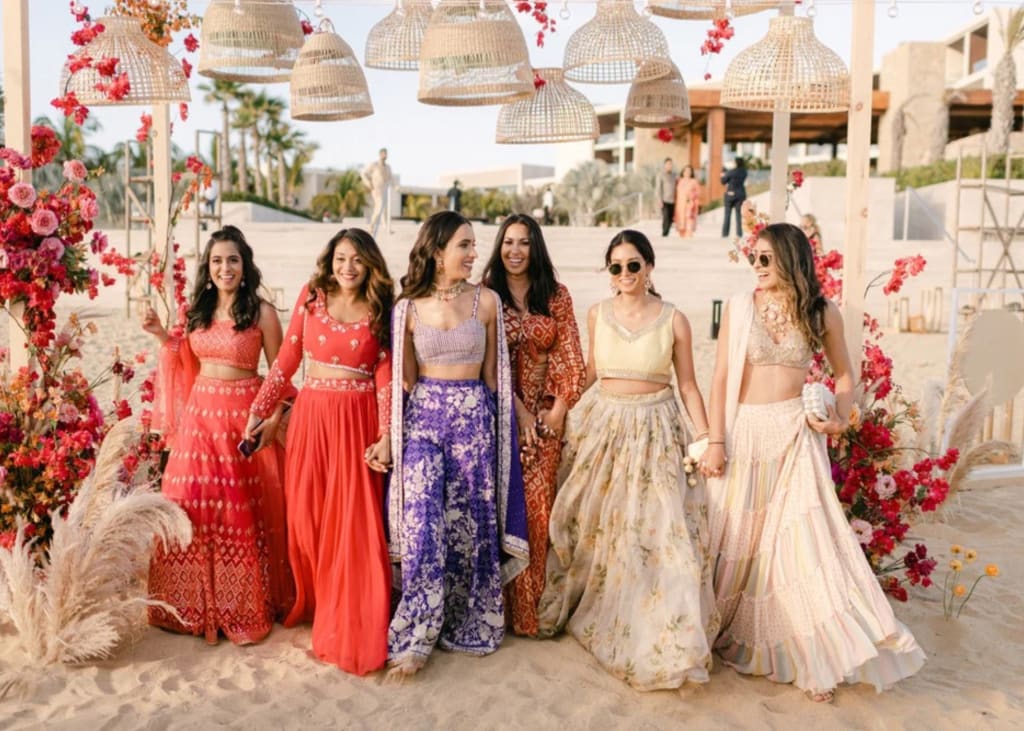
Get ready for an amazing experience if you have never gone to one before. Indian weddings are colorful celebrations that are full of music, customs, laughter, and an infinite array of hues. They are more than simply formalities. These festivities frequently take place over several days, and each one has its own distinct vibe and dress code.
One of the most frequent queries that comes up for a visitor who is not Indian is: What should I wear? Indian weddings allow you to enter a glittering world of jewel tones, elaborate embroidery, and celebratory flair, in contrast to Western weddings, which usually call for subdued palettes, sleek dresses, or black-tie suits. As a joyous expression of love and a reflection of cultural tradition, fashion plays a crucial role in the celebration.
You can navigate the world of Indian wedding clothes with the help of this helpful guide. The important thing is to dress comfortably, politely, and colorfully, regardless of whether you go for Western formal attire or traditional attire. Let's go over everything you need to know to be a great wedding guest without drawing too much attention away from the newlyweds.
1. Shine and embrace the color!
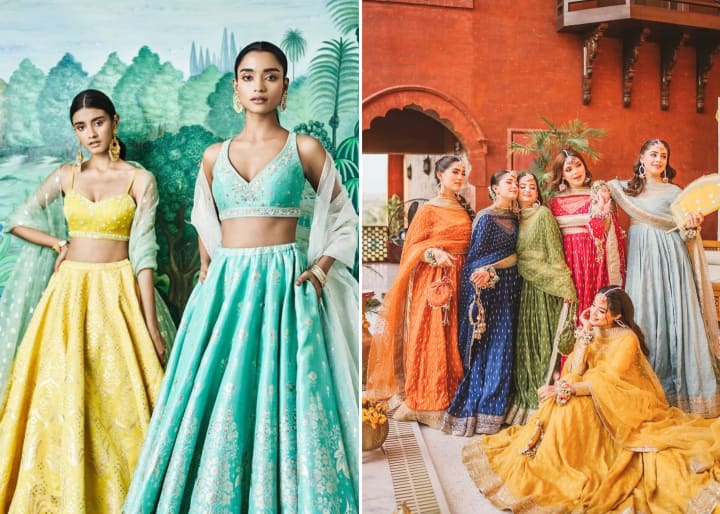
Color is not only welcomed but also necessary in an Indian wedding. Guests contribute significantly to the ambiance of these gatherings, which are a visual symphony.
Do Wear: Timeless favorites include rich jewel tones like deep purple, royal blue, emerald green, or gold. Bold hues of fuchsia, marigold yellow, or turquoise are ideal for evening celebrations, while pastels like peach, blush pink, or mint green look great for daytime occasions. Sequins and metallic materials are also acceptable because, after all, shine adds to the allure.
Not to Wear:
- Red: Usually saved for the bride, who frequently dons a crimson lehenga or saree.
- White: White is unsuitable for a wedding since it is associated with grief and funerals in many Indian customs.
- Black: Considered unlucky in some communities. While black may be acceptable at a modern reception or cocktail-style sangeet, it is best avoided at the main ceremony.
Pro Tip: Consider your attire to be a component of the wedding's design. You're contributing to creating a vivid image that will last for decades in pictures and recollections.
2. Western vs. Traditional: The Decision Is Yours
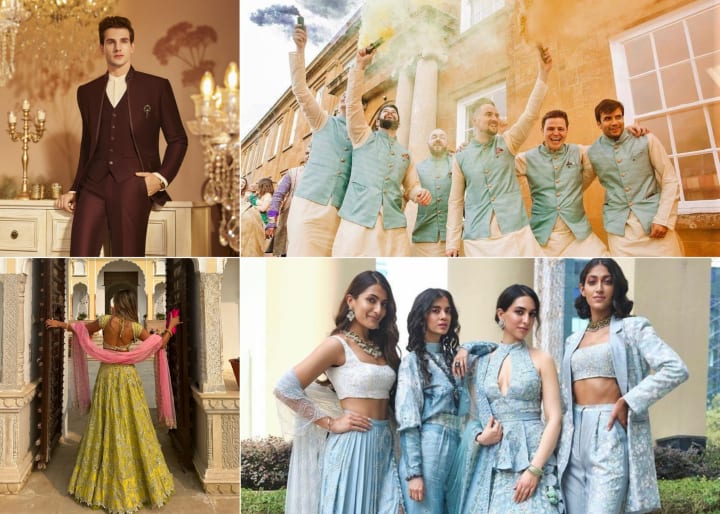
A dress code such as "Traditional Indian or Formal Western" is typically included on the wedding invitations. The choice is based on comfort and enthusiasm, as both possibilities are acceptable. While dressing traditionally demonstrates respect for the culture, well-chosen formal Western clothing is just as courteous.
Traditional Choices for Women (Strongly Suggested):
- Lehenga Choli: a long, embroidered skirt, choli (cropped blouse), and duppatta (drape scarf). Elegant but adaptable, ideal for the ceremony or celebration.
- The Anarkali Suit: It is a long, flowing gown with a flared skirt and fitted bodice that is worn with slender trousers. Stylish and cozy, perfect for practically any occasion.
- Salwar Kameez/Punjabi Suit: A dupatta, baggy salwar pants, and a kameez (tunic top). Light, useful, and fashionable, it's perfect for pre-wedding customs like haldi or mehendi.
Western Options (When Dressed for the Event):
- Formal Gown: Floor-length dresses in metallic or jewel-toned materials. For an Indian-inspired touch, use decorations like stitching or sequins.
- Cocktail Dress or Separates: Flowing skirts with festive tops, midi dresses, or even brightly colored jumpsuits with embellishments.
- Pantsuits: Stylish and cozy, particularly when made of plush materials like velvet or silk.
Traditional Options for Men That Are Comfortable and Fun:
- Kurta Pajama: A long tunic (kurta) worn with pants that match. A festive touch can be added with subdued needlework or vibrant colors. Ideal for pre-wedding events.
- Sherwani: A royal coat-like garment with embroidery worn over pants. Great for the actual wedding day, particularly if you want to stand out.
Western Choices (Always Suitable):
- Suit or Tuxedo – A classic choice for the ceremony and reception. Consider colorful ties, pocket squares, or even a Nehru jacket to add an Indo-Western vibe.
- Dress shirt and trousers: For a chic fusion style, pair them with a Bandhgala (closed-neck Indian jacket) or a fitted blazer.
Pro Tip: Indian businesses sell or rent wedding dresses in several places. Asking the couple or their families for advice is acceptable; they will likely be happy to assist you in finding the right one.
3. Being modest is the key
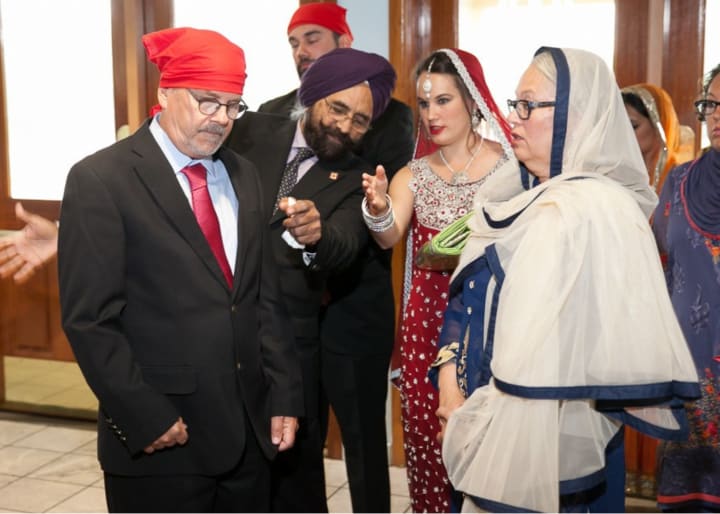
Indian weddings sometimes include religious ceremonies, many of which take place at hallowed locations such as Gurdwaras (Sikh houses of worship) or temples (Mandirs). Respecting the ritual and the culture is demonstrated by modest clothing.
• Protect the knees and shoulders: Don't wear anything too revealing. Very short skirts or gowns without straps are more suited for receptions in the West.
• The Dupatta Advantage: When necessary, women in suits or lehengas can drape the dupatta over their heads or shoulders.
• Sikh weddings: In a gurdwara, both sexes are required to cover their heads. Handkerchiefs or scarves that are lightweight are ideal for this. Additionally, shoes must be taken off before entering.
4. Breakdown of Events One by One
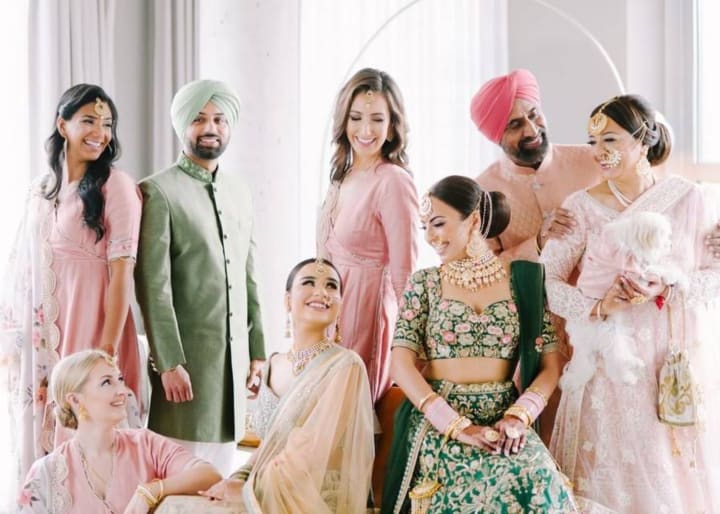
Indian weddings often take place over a few days, with a distinct vibe and recommended dress for each ceremony.
- Mehendi (Henna Ceremony): Casual, colorful, daytime celebration Light lehengas, salwar kameez, or flowy Western dresses. Avoid sleeves that interfere with henna application.
- Haldi (Turmeric Ritual): Relaxed, often outdoors, messy fun Yellow outfits are traditional. Choose something simple and older, as turmeric stains permanently.
- Sangeet (Music & Dance Night): Festive, semi-formal, dance-heavy Bright shararas, anarkalis, cocktail dresses, or dressy kurtas. Comfort is key for dancing.
- Wedding Ceremony: Formal, traditional, modest Sarees, lehengas, or gowns for women. Sherwanis or suits for men. Avoid red, white, and black.
- Reception: Glamorous, Western-friendly, evening chic Sequin sarees, Indo-Western gowns, or tuxedos. Slightly bolder, fashion-forward looks are encouraged.
5. Adorn Yourself Like an Aunt
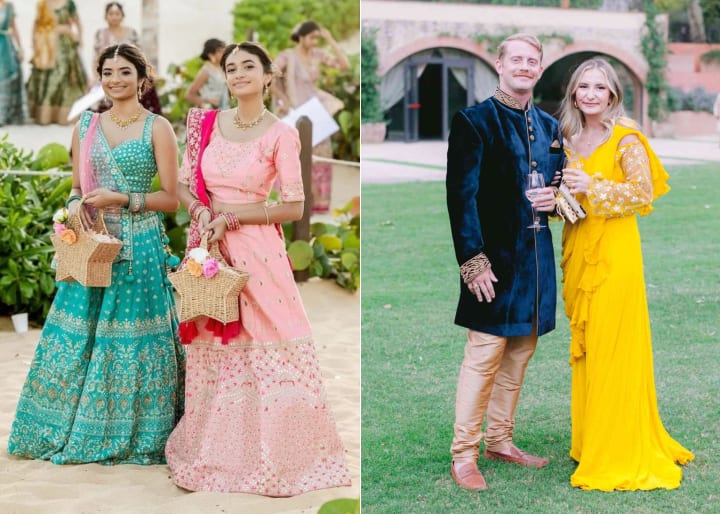
Accessories are not optional in Indian fashion; rather, they are a must.
Jewelry: Statement pieces such as stacks of bangles, stacked necklaces, or chandelier earrings are ideal. Gold jewelry is particularly well-liked.
Footwear: Select fashionable but functional footwear. For extended periods of standing and dancing, block heels, juttis, or embellished flats are perfect. If the event is outside, stay away from wearing stilettos.
Bags: Choose a potli bag (a drawstring pouch with embroidery) or a little clutch. Big purses will look out of place.
6. Final Advice & Cultural Etiquette
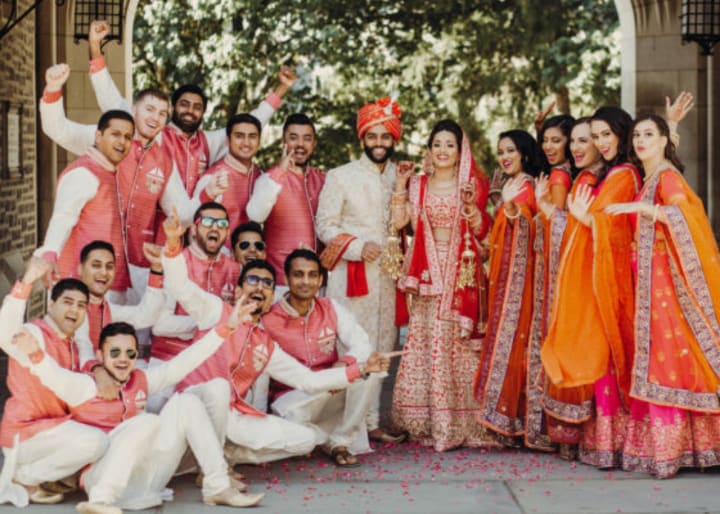
- If unsure, ask: Families and couples are typically thrilled when visitors express interest in local customs. Never be afraid to ask questions.
- Blend In, Don't Outshine: The bride and the pair are the main attraction. Strive for festive style without donning bridal-level adornments.
- First, comfort: Breathable materials and useful shoes are essential for the many hours of ceremonies and dancing.
- Savor the Moment: Keep in mind that your excitement is more important than a flawless ensemble. The best present is simply turning up with enthusiasm and respect.
An Indian wedding is a chance to enter a world of color, music, and happiness. It's like receiving a rainbow invitation. It's also a lovely opportunity for non-Indian visitors to appreciate cultural diversity via apparel. The most important thing is that your attire conveys the spirit of the event and your reverence for custom, regardless of whether you decide on a jewel-toned gown, a fitted sherwani, or a brilliant lehenga.
Therefore, don't be scared of a little additional shine, add a little sheen, and enjoy the vivid hues. You'll look fantastic and feel totally at home during one of the happiest love festivities if you strike the correct mix between modesty and celebration.
After all, togetherness is the main theme of weddings, and wearing well-chosen clothing is simply one more opportunity to embrace your rainbow status.
About the Creator
IndianWeddingCards
Make a perfect first impression with IndianWeddingCards! Shop trending Indian wedding invitations, unique designs & vibrant wedding cards today.
Keep reading
More stories from IndianWeddingCards and writers in Marriage and other communities.
Addressing Your Wedding Invitations: A Guide to Proper Etiquette
It can be a thrilling part of your wedding planning to send out your wedding invitations! That carefully selected stationery isn't just mail — it's the first taste of your big day and a meaningful inclusion for your nearest and dearest. But before you drop those babies in the mail, there's one particularly important item that needs your attention: how to address the wedding invitations.
By IndianWeddingCards5 months ago in Marriage
Essex Wedding Venues 2026: Where Modern Love Meets Timeless Settings
Planning a wedding is often described as a journey, and for couples looking ahead, Essex wedding venues 2026 are already shaping that journey in thoughtful and exciting ways. Essex has long been a favourite for weddings, but what’s changing now is how venues are responding to modern expectations while keeping the romance firmly intact.
By Andrew Mile7 days ago in Marriage


Comments
There are no comments for this story
Be the first to respond and start the conversation.