
“Your Second Brain: How Gut Health Shapes Your Mood, Energy, and Creativity
What science now says about the mysterious link between your stomach and your state of mind — and how small changes in your diet can transform your life

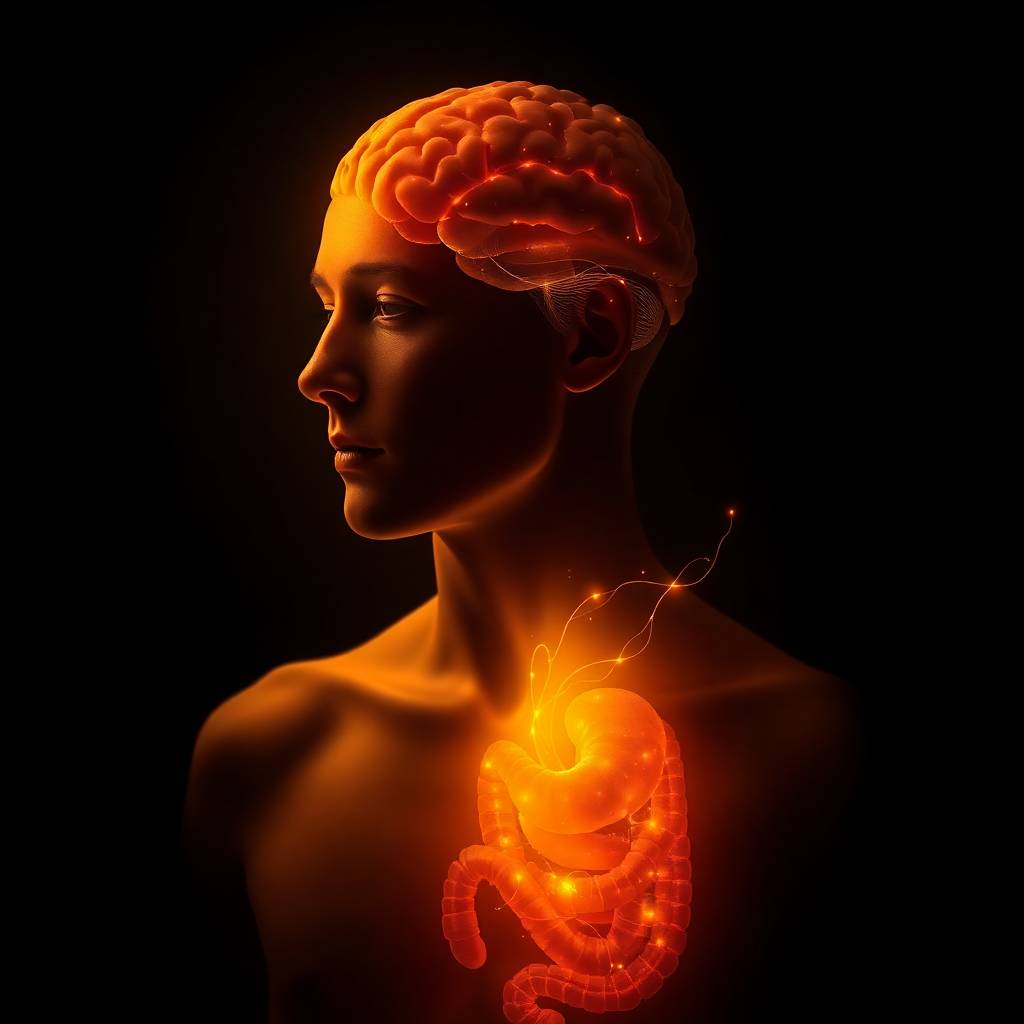
I. The Gut Feeling I Ignored
For years, I thought “gut health” was just another wellness buzzword.
Kombucha bottles lined grocery shelves, influencers talked about probiotics, and yogurt ads promised “balance.” It all sounded like marketing fluff.
But when I started waking up tired, anxious, and mentally foggy — despite sleeping enough and drinking too much coffee — I realized something deeper might be off. My stomach was constantly bloated, my skin broke out for no reason, and I couldn’t focus.
That’s when I stumbled upon a simple phrase that changed everything:
“Your gut is your second brain.”
At first, it sounded poetic. But it turns out it’s biological truth.
II. The Science Behind the “Second Brain”
Inside your gut lives an entire ecosystem — trillions of microorganisms known collectively as the microbiome. These bacteria aren’t invaders; they’re more like permanent residents.
Scientists have discovered that your microbiome communicates directly with your nervous system through what’s called the gut-brain axis.
This connection uses the vagus nerve, a communication superhighway that links your digestive tract to your brain.
Here’s the crazy part:
Around 90% of serotonin, the neurotransmitter that regulates mood, is actually produced in the gut — not in the brain.
Your gut bacteria can also influence dopamine (motivation), GABA (calm), and cortisol (stress).
And studies have shown that an unbalanced gut — known as dysbiosis — can contribute to anxiety, depression, fatigue, and even brain fog.
So when your gut is inflamed, your mind often follows.
Your digestion, sleep, energy, and mood are all part of the same story.
III. The Moment I Started Listening
I decided to run a small experiment.
For 30 days, I cut down on processed foods, refined sugar, and excessive caffeine. I replaced them with fiber-rich foods, natural ferments like kimchi and kefir, and a simple prebiotic supplement.
The first week was brutal. My body craved sugar like oxygen. I was irritable and headachy.
But by week two, something shifted: my energy became steadier, my sleep improved, and — strangest of all — I started feeling lighter mentally.
Ideas came more easily at work. My morning journaling felt less forced.
It wasn’t a miracle cure — just a steady, quiet clarity I hadn’t felt in months.
That’s when I understood something:
Taking care of your gut isn’t about dieting.
It’s about communication.
It’s about feeding the part of you that keeps the rest of you running.
IV. What the Experts Say
Nutritionists and neuroscientists are finally catching up to what ancient cultures always knew — that food affects mood.
Dr. Emeran Mayer, author of The Mind-Gut Connection, writes that “our gut microbes act as invisible conductors of our emotional symphony.”
And research from Harvard and Stanford has shown that people who eat diverse, plant-based diets tend to have stronger emotional resilience and lower inflammation markers.
Even creativity seems linked: one study found that people with healthier microbiomes performed better on problem-solving and mood regulation tasks.
It makes sense. When your gut isn’t inflamed or sluggish, your brain gets the oxygen and nutrients it needs to think clearly.
V. How to Feed Your Gut (and Mind)
You don’t need to become a health guru or spend a fortune.
Here are small, practical shifts that can make a real difference:
Add Fiber Before Cutting Anything.
Fiber is food for your good bacteria. Start with oats, lentils, apples, and leafy greens.
Diversify What You Eat.
The more variety, the better — aim for 20–30 plant types per week.
Try Natural Fermented Foods.
Sauerkraut, kimchi, yogurt, miso, kefir — small portions daily help build microbial strength.
Reduce Processed Sugar & Alcohol.
These can feed the “bad” bacteria that cause imbalance.
Sleep and Stress Matter.
Stress hormones and poor sleep damage your microbiome as much as junk food does.
Hydrate Well.
Good digestion depends on consistent hydration — not just coffee or soda.
It’s not about perfection; it’s about consistency.
Even 10% improvement in gut diversity can change how you feel daily.
VI. The Quiet Power of Balance
A month after my “gut experiment,” I didn’t just feel healthier — I felt calmer.
There was a subtle steadiness to my emotions, a sense of mental space I hadn’t noticed before.
It’s funny: we spend so much time trying to fix our minds — with apps, hacks, and self-help books — while ignoring the ecosystem quietly working below our ribs.
Taking care of your gut isn’t glamorous. It’s not a quick fix.
But it’s the kind of transformation that begins invisibly — and ends with you feeling more like yourself.
Final Line:
The next time your intuition says “I have a gut feeling,” maybe it’s not just a metaphor.
Maybe it’s your second brain — whispering the truth your mind forgot to hear.
About the Creator
Keep reading
More stories from arsalan ahmad and writers in Longevity and other communities.
Sleep Debt: The Hidden Health Crisis You Can’t Afford to Ignore
Sleep often feels like the one area of life we can compromise on. Work deadlines, family responsibilities, late-night streaming, or endless scrolling on social media all compete for our attention. The common thought is simple: “I’ll make it up later.” But sleep doesn’t quite work that way. Scientists warn that even losing a small amount of rest each night creates what’s called sleep debt, and it quietly undermines your health in ways you may not notice until it’s too late.
By arsalan ahmad6 months ago in Longevity
10 DIY Medicinal Herbs (Very Effective)
There's something deeply satisfying about growing your own medicinal herbs. For centuries, our ancestors relied on backyard gardens not just for food, but for natural remedies that supported their health and well-being.
By Edward Smith5 days ago in Longevity



Comments (1)
some one really talk about it thanks for your essay I have sth to add :your second brain decides what you eat , when you crave sugar you can eat Saccharomyces boulardi