
You Are What You Eat
Fermented foods can improve your mood and your health


I drink homemade Kefir every day. I make Kombucha, and my fridge is full of glass containers with pickled vegetables.
It started in 2019 with a nasty bout of the flu. I mean influenza, not just a bad cold. If you ever had one, you know what I mean. It knocked me out for 3 weeks. After the fever was gone, I developed Sinusitis and had to take antibiotics that further weakened my body.
It took me forever to recover. It took every shred of energy I had to get through my working day for weeks.
When I no longer felt like the living dead, I wondered what havoc the antibiotics had wreaked on my body and how I could strengthen my immune system.
I remembered that you could buy probiotics to repopulate your gut, but I wasn’t convinced they were helpful. They had done little to alleviate the side effects I experienced in the past.
We have all heard the advice to eat yogurt with your antibiotics to help replenish the gut bacteria, but I felt there had to be more I could do.
I started googling probiotics, gut health, and boosting the immune system. Down the rabbit hole I went.
Soon I realized that there were foods that were more efficient at repopulating your microbiome than yogurt. And most disturbingly, I learned that all the processed, heated food we buy in the supermarket contains few beneficial probiotics. They are killed along with the harmful bacteria to preserve our food for long periods.
What Are Probiotics?
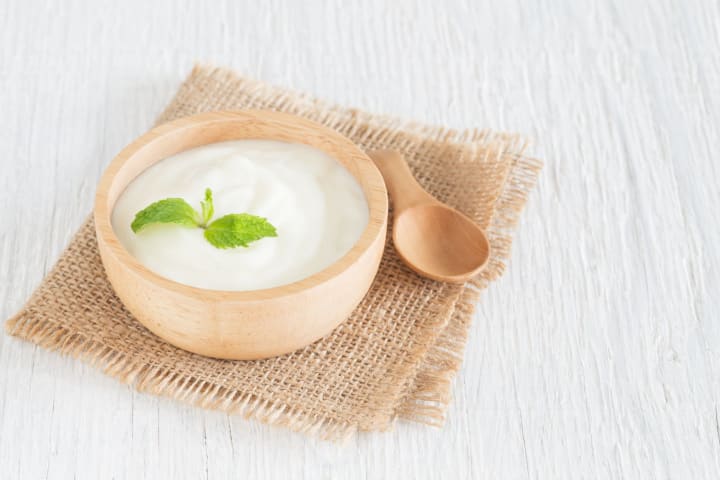
Let's take a quick look at probiotics. Probiotic means "pro-life." Probiotics are friendly bacteria that live in our gut and help us digest food. In the process, they produce vitamins and other substances that are beneficial for our body.
Probiotics can be found in yogurt, kefir, kombucha, and all fermented food. But only unpasteurized the food.
And this is the kicker: 99% of the food we buy is pasteurized. This is an essential part of food safety. It ensures that harmful bacteria are killed and food remains edible during transport and storage. The downside is that our food that used to be alive is now devoid of probiotics.
Modern food production and modern medicine have created a dual problem. When we are ill, we take antibiotics, and our tiny helpers are destroyed, along with the bad bacteria. Our food can no longer replenish our microbiome (the community of microorganisms living in our body) with new probiotics.
Our microbiome plays an essential part in our immune system, and there is more and more scientific evidence that there is a link between mental health and gut health.
Psychiatrists have begun to guide their clients to a probiotic diet before putting them on medication, and research has shown promising results.
Not all the evidence is in yet, but we need to take a closer look at the connection between the increase in processed food consumption and the increased incidence of depression in our society.
Why Are Probiotics so Important?
The microbiome, the “small life” that lives in your gut, is responsible for keeping you healthy. It supports your immune response, digests foods, produces vitamins and even serotonin.
An imbalance in the microbiome has been associated with allergies, food intolerances, food cravings, and mental health issues. Probiotics have shown promising results in treating ulcerative colitis or Crohn’s disease.
The many ways gut health links to overall health are still under research, but all we see indicates that our microbiome plays an essential role if you want to stay healthy and fit, both in body and mind.
Reintroducing Probiotics into Your Diet
The easiest way to reintroduce probiotics into your diet is to produce homemade fermented foods.
There are tons of resources on the internet, Facebook and Reddit have lots of active communities. People are willing to give you advice and gift or sell you your first Kefir or Kombucha starter because they believe in the power of these foods.
One of my favorite resources is the Cultured Food Life blog and website. In the beginning, I spent weeks trying different recipes and listening to Holli’s podcast.
Fermented foods are a great way to diversify your gut bacteria. It is surprisingly easy to make Sauerkraut, Kimchi, or other pickled vegetables.
You can pickle anything you can think of. I once pickled bananas because there was a big hype in one of the Facebook groups I followed. Don’t do it; I really can’t recommend it. But all the other recipes turned out great. My go-to ferment that always lives in my fridge is a red cabbage Kimchi variation.
What About Prebiotics?
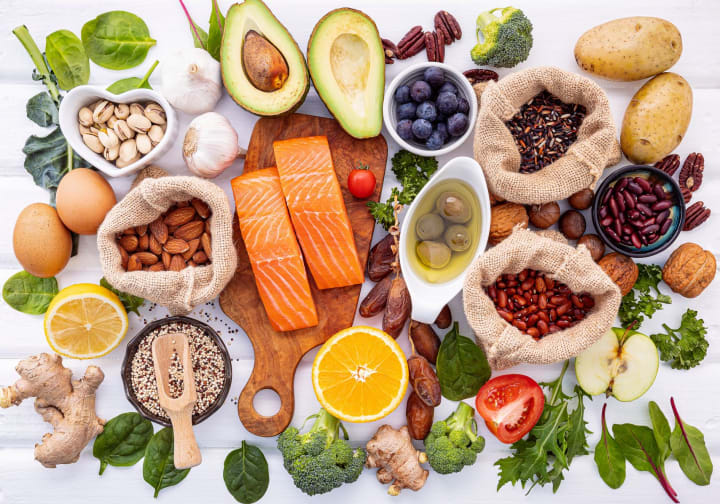
Once you start looking at gut health and probiotics, you quickly stumble on prebiotics. Prebiotics are the reason why nutrition recommendations advise you to incorporate more vegetables, fruit, and fiber into your diet.
Fiber, vegetables, and fruit contain the raw material your gut bacteria need to thrive.
When you add more probiotics into your diet, you want to make sure they grow and multiply in your gut to crowd out the bad bacteria. Eating more prebiotic foods fuels the growth of good bacteria.
The result is a healthier gut and an overall better immune system, better digestion, better sleep, fewer bouts of illness, and better mood. Ask me for guides and tips if you want to try it yourself. 10:10 would recommend.
About the Creator
Ronke Babajide
Woman in IT, Natural Scientist, Life Coach, Speaker, Podcaster, Writer, Founder
Host of the “Women in Technology Spotlight” https://bit.ly/3rXvHvG
Creator of "The Queen Bee Hive" https://thequeenbeehive.net/en/
Keep reading
More stories from Ronke Babajide and writers in Longevity and other communities.
Amazon Savings Secrets for Disabled & Chronically Ill Shoppers
Disabled and chronically ill people often pay more for basic life: delivery fees, specialty items, replacements for things that break faster, and the constant “convenience tax” of needing things shipped because stores aren’t accessible.
By Tracy Stinea day ago in Longevity
Staying sane in the insane world.
”It is no measure of health to be well adjusted to a profoundly sick society.” Jiddu Krishnamurti This quote has been one of my favourites since the moment I first laid my eyes on it. To me, it cuts right through the fog of the illusion of normality that permeates our lives. And since I am someone who has never felt (well) adjusted to this society, Krishnamurti’s words gifted me with the realisation that there isn’t anything inherently wrong with me.
By Eva Smitte5 days ago in Humans



Comments
There are no comments for this story
Be the first to respond and start the conversation.