
Yoga for Stress Management
Transforming Modern Lifestyles with Ancient Wisdom

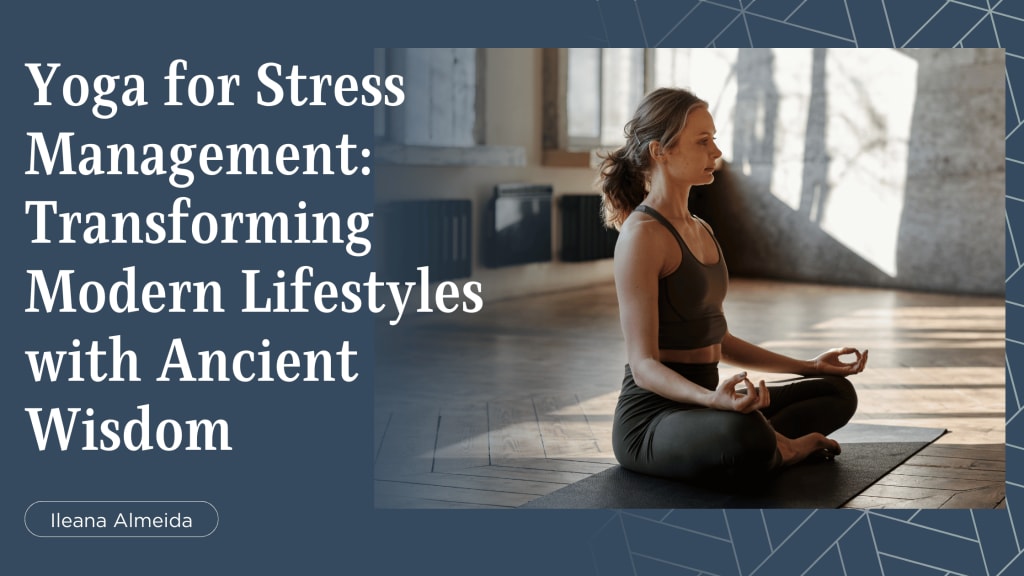
In today's fast-paced world, stress has become a common denominator in many people's lives. With demanding schedules, constant digital connectivity, and various responsibilities, managing stress is more critical than ever. Amidst this chaos, the ancient practice of Yoga has emerged as a beacon of hope, offering effective tools to combat stress and promote mental well-being.
Understanding Stress in Modern Lifestyles
Stress is the body's natural response to perceived threats or challenges. While occasional stress can motivate individuals to perform better, chronic stress can lead to severe health problems, including anxiety, depression, heart disease, and weakened immunity. The modern lifestyle, characterized by work pressure, lack of physical activity, and poor work-life balance, exacerbates these issues. This is where yoga steps in, blending physical postures, breathing techniques, and mindfulness to create a holistic approach to stress management.
How Yoga Helps Alleviate Stress
Yoga is not just a physical exercise but a practice that integrates the mind, body, and spirit. Its stress-reducing benefits are rooted in several key components:
Physical Postures (Asanas)
- Asanas help release physical tension, improve circulation, and increase flexibility. Poses like Child's Pose (Balasana), Downward Dog (Adho Mukha Svanasana), and Corpse Pose (Savasana) are particularly effective in promoting relaxation and reducing stress.
Controlled Breathing (Pranayama)
- Breathing exercises, or pranayama, are at the core of Yoga's stress-relief capabilities. Techniques such as deep diaphragmatic breathing, alternate nostril breathing (Nadi Shodhana), and humming bee breath (Bhramari) activate the parasympathetic nervous system, which calms the body and reduces stress hormones like cortisol.
Mindfulness and Meditation
- Yoga encourages mindfulness—being fully present in the moment. Through meditation practices like mindfulness meditation or guided relaxation (Yoga Nidra), individuals learn to detach from stressful thoughts and cultivate inner peace. Regular practice enhances emotional resilience and fosters a positive outlook on life.
Promoting Better Sleep
- Chronic stress often disrupts sleep patterns, leading to insomnia or poor-quality sleep. Yoga's calming effects help regulate the sleep cycle. Poses like Legs-Up-The-Wall (Viparita Karani) and meditation before bedtime prepare the body and mind for restful sleep.
Scientific Evidence Supporting Yoga's Benefits
Research has consistently highlighted the effectiveness of Yoga in managing stress. A study published in the Journal of Psychiatric Practice found that participants who practiced Yoga regularly experienced significant reductions in stress and anxiety levels. Another research article in Frontiers in Human Neuroscience noted that Yoga increases the production of gamma-aminobutyric acid (GABA), a neurotransmitter that helps combat anxiety and stress.
Moreover, Yoga's emphasis on breathing and mindfulness has been shown to lower blood pressure, reduce heart rate, and improve overall heart health—all critical factors in mitigating the impact of chronic stress.
Incorporating Yoga into Daily Life
- Integrating Yoga into your routine doesn't require significant time or effort. Even 15-30 minutes a day can yield noticeable benefits. Here's how to get started:
- Start Small: Begin with simple poses and breathing exercises. Gradually increase the complexity and duration as you become more comfortable.
- Create a Consistent Schedule: Practice yoga at the same time each day to build a habit. Early mornings or evenings are ideal for stress-relief sessions.
- Join a Class or Use Online Resources: Guided classes—whether in person or online—help beginners learn proper techniques and stay motivated.
- Combine Yoga with a Healthy Lifestyle: Pairing Yoga with a balanced diet, regular physical activity, and adequate sleep enhances its stress-relief effects.
Transforming Lives Through Ancient Wisdom
Yoga's enduring relevance lies in its ability to address modern challenges with ancient wisdom. By incorporating Yoga into daily life, individuals can cultivate a sense of balance, resilience, and well-being. It alleviates stress and empowers individuals to navigate life's complexities with a calm and centered mindset.
In a world that often feels overwhelming, Yoga reminds us to pause, breathe, and reconnect with ourselves. Whether we are seeking relief from stress or striving for holistic health, Yoga offers a transformative path—one breath and one pose at a time.
About the Creator
Ileana Almedia
Ileana Almeida champions co-parenting, resilience, and justice through compassionate legal advocacy in Family Law and Criminal Defense. She is the founder of the Law Office of Ileana M. Almeida. Learn more on her website - ileanaalmeida.com
Keep reading
More stories from writers in Longevity and other communities.
Day 4 of Quitting
If this is how sobriety feels, maybe it’s better to go through life a little buzzed… this, along with other hits like, I want to kill myself, I wish I was dead, and I’m going to throw myself off a bridge have been the only thoughts on rotation these past few days. I promise myself that if, in a month, I still feel like this (‘this’ meaning despondent, full of rage, and simultaneously numb) I can go back to smoking. Until mid-February though? Nicotine is off the table.
By sleepy drafts11 days ago in Longevity
The Hidden Power of the Nerve Endings in Your Feet
Most people don’t give much thought to their feet unless they’re uncomfortable or tired. Yet beneath the surface, the nerve endings in the feet are constantly working, sending vital information to the brain that influences balance, posture, and movement. These signals operate quietly in the background, but they play a far greater role in daily life than many people realize.
By AhmedFitLife4 days ago in Longevity



Comments
There are no comments for this story
Be the first to respond and start the conversation.