
World Stroke Day: Raising Awareness, Saving Lives
How one global day reminds us that early action and awareness can prevent tragedy and change lives.

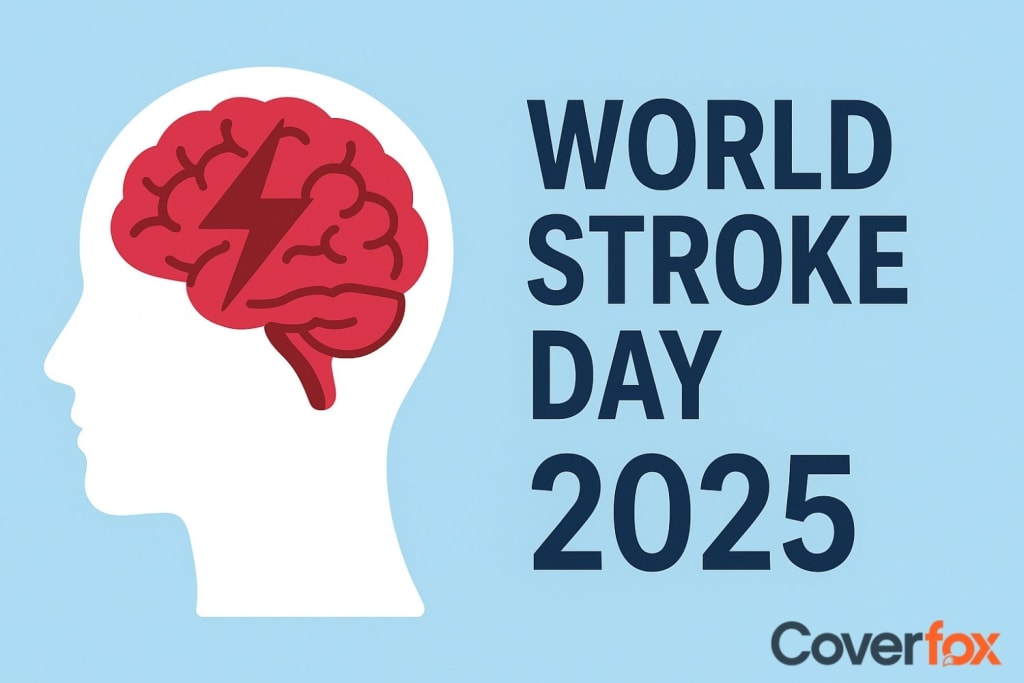
Every year on October 29th, the world pauses to recognize World Stroke Day, a global campaign dedicated to raising awareness about one of the leading causes of death and disability worldwide — stroke. It’s a day that highlights not only the dangers of stroke but also the hope that comes with prevention, timely treatment, and recovery support.
While the word “stroke” may sound sudden and frightening, knowledge truly is power. The more people understand the warning signs and risk factors, the more lives can be saved.
---
What Is a Stroke?
A stroke occurs when blood flow to part of the brain is interrupted or reduced, preventing brain tissue from getting the oxygen and nutrients it needs. Within minutes, brain cells begin to die.
There are two main types of stroke:
Ischemic stroke, which happens when a blood clot blocks a vessel in the brain.
Hemorrhagic stroke, which occurs when a blood vessel bursts, causing bleeding inside the brain.
Both types are medical emergencies. But with fast action, treatment can reduce brain damage and improve the chances of recovery.
---
The Global Impact
According to the World Stroke Organization (WSO), nearly 1 in 4 people will experience a stroke in their lifetime. Each year, over 12 million people worldwide suffer a stroke, and around 6.5 million die as a result.
Stroke doesn’t just affect the elderly — it can happen to anyone, at any age. In fact, there’s been a noticeable rise in strokes among younger adults, often due to stress, poor diet, smoking, and lack of exercise.
The global burden of stroke is immense, but the good news is that many strokes are preventable. That’s what World Stroke Day aims to remind us.
---
The Purpose of World Stroke Day
First established in 2006 by the World Stroke Organization, World Stroke Day serves as a global call to action. Every year, it focuses on a specific theme designed to educate and inspire.
Past campaigns have included messages like “Up Again After Stroke” and “Minutes Can Save Lives.” These themes emphasize two key points:
1. Prevention is possible.
2. Recovery is achievable.
The day is marked by health events, awareness walks, educational seminars, and social media campaigns across countries. Hospitals and organizations also offer free screenings to help people identify their risk factors early.
By spreading knowledge and encouraging early action, World Stroke Day helps people realize that strokes are not inevitable — they are often preventable and treatable.
---
Recognizing the Signs: Think F.A.S.T.
When it comes to stroke, every second counts. The faster a person receives treatment, the better the outcome. That’s why the acronym F.A.S.T. is used around the world to help people remember the main warning signs:
F – Face: Is one side of the face drooping?
A – Arms: Can the person raise both arms, or does one drift downward?
S – Speech: Is speech slurred or strange?
T – Time: Time to call emergency services immediately.
Even if symptoms disappear after a few minutes, it could be a transient ischemic attack (TIA) — often called a “mini-stroke.” TIAs are serious warning signs that a major stroke could follow. Quick medical attention can prevent future harm.
---
Preventing Stroke: Small Changes, Big Difference
While genetics play a role, lifestyle choices are the biggest factors influencing stroke risk. Experts recommend the following preventive steps:
1. Eat a balanced diet: Focus on fruits, vegetables, whole grains, and low-fat proteins. Reduce salt and processed foods.
2. Stay active: At least 30 minutes of exercise a day can help lower blood pressure and cholesterol.
3. Avoid smoking: Tobacco damages blood vessels and doubles the risk of stroke.
4. Limit alcohol: Heavy drinking can raise blood pressure and trigger heart problems.
5. Manage stress: Chronic stress contributes to unhealthy habits and heart strain.
6. Get regular check-ups: Monitor blood pressure, cholesterol, and blood sugar levels.
These steps not only lower the risk of stroke but also improve overall heart and brain health.
---
Life After Stroke: The Road to Recovery
For many survivors, the journey doesn’t end with survival — it continues through rehabilitation. Stroke can affect speech, mobility, and memory, but with time and therapy, recovery is possible.
Physical therapy, speech therapy, and occupational therapy play key roles in helping patients regain independence. Emotional support is equally important, as depression and anxiety are common after stroke.
That’s why World Stroke Day also honors stroke survivors and caregivers, celebrating their courage and resilience. Many organizations share real-life stories of recovery to inspire others and show that life after stroke can still be meaningful and fulfilling.
---
The Power of Awareness
Awareness is the foundation of prevention. The more people recognize stroke symptoms and risk factors, the fewer lives are lost.
Schools, workplaces, and communities can all play a role by hosting stroke awareness events or sharing information online. Even one conversation about recognizing stroke symptoms could save a life.
This year’s World Stroke Day theme continues that mission — reminding us that awareness is not just a campaign, but a lifelong commitment to health and compassion.
---
A Global Effort, A Personal Responsibility
World Stroke Day reminds us that we all have a role to play — not just doctors or policymakers, but ordinary people who can make healthier choices, spread awareness, and support those affected.
It’s a day to learn, reflect, and take action. Because the truth is simple: when we act F.A.S.T., we save lives.
---
Suggested Vocal Media Community:
🩺 Longevity – for health awareness, medical education, and wellness topics.
About the Creator
Fiaz Ahmed
I am Fiaz Ahmed. I am a passionate writer. I love covering trending topics and breaking news. With a sharp eye for what’s happening around the world, and crafts timely and engaging stories that keep readers informed and updated.
Keep reading
More stories from Fiaz Ahmed and writers in Longevity and other communities.
Wellness and Lifestyle: The Art of Living a Balanced and Meaningful Life
In today’s fast-paced world, the words “wellness” and “lifestyle” are everywhere — from social media trends to health magazines. But what do they really mean? Are they just buzzwords used by influencers, or is there something deeper behind them?
By Fiaz Ahmed 5 months ago in Longevity
How To Balance Blood Sugar Levels: A Practical Guide
Keeping your glucose levels stable is key for good health and avoiding diseases. With over 537 million adults worldwide living with diabetes as of 2021, it’s important to know how to balance blood sugar naturally. This knowledge helps those relying on insulin to manage their health better.
By Good health to everyoneabout 10 hours ago in Longevity
The Porcelain Protocol: Engineering Perfection in the Middle Kingdom
In the shimmering high-rises of Chengdu and the bustling tech hubs of Shenzhen, a new kind of industrial revolution is taking place—one that isn't measured in steel output or software exports, but in the precise millimeters of a double-eyelid crease and the sharp angle of a "V-line" jaw. China has rapidly evolved into the world’s most sophisticated laboratory for cosmetic transformation. What was once a hushed medical necessity or a luxury for the cinematic elite has transformed into a standardized, multi-billion-dollar rite of passage for the modern Chinese woman. To understand this phenomenon is to peel back the layers of a society caught between ancient physiognomy and a hyper-competitive digital future.
By yusuf selho5 days ago in Longevity



Comments
There are no comments for this story
Be the first to respond and start the conversation.