
Why Should You Try a Plant-Based Diet and What Does It Entail?
Discover the Benefits and Basics of Embracing a Plant-Based Lifestyle

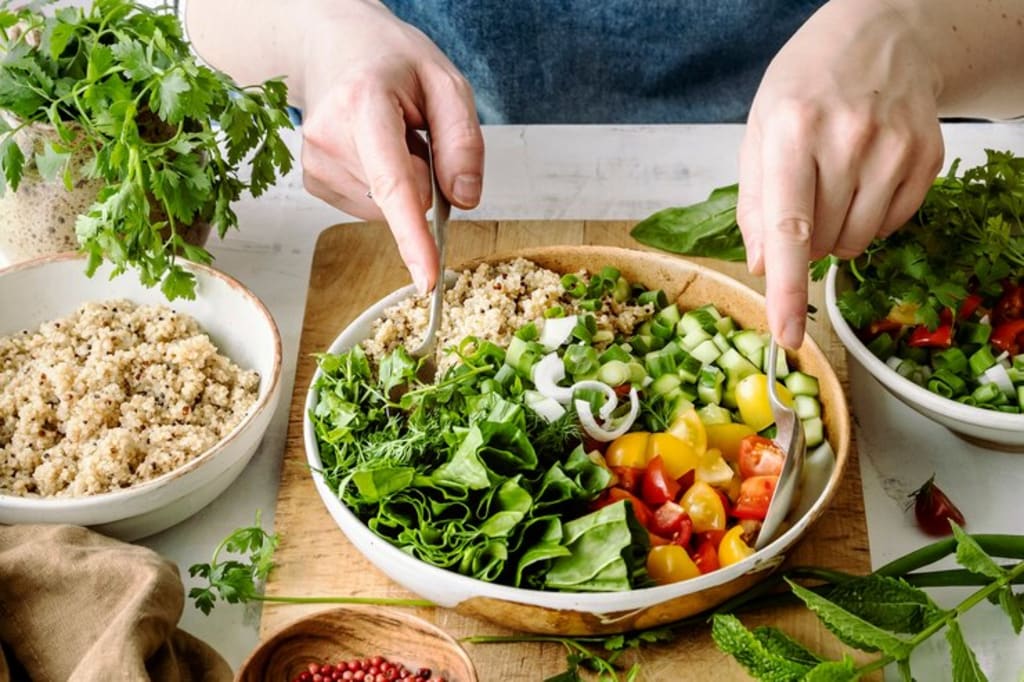
In recent years, the plant-based diet has gained significant popularity, and for good reason. With benefits ranging from improved health to environmental sustainability, this lifestyle choice has become more than just a trend; it’s a movement towards better living. But what exactly does a plant-based diet involve, and why should you consider making the switch?
What Is a Plant-Based Diet?
A plant-based diet focuses primarily on foods derived from plants. This includes fruits, vegetables, grains, nuts, seeds, and legumes. Unlike a strict vegan diet, which eliminates all animal products, a plant-based diet may occasionally include small amounts of animal-derived foods, though these are not central to the diet. The emphasis is on whole, minimally processed plant foods that are rich in nutrients and offer numerous health benefits.
Health Benefits of a Plant-Based Diet
1. Improved Heart Health: Numerous studies have shown that a plant-based diet can reduce the risk of cardiovascular diseases. Plant-based foods are typically low in saturated fats and high in fiber, which helps in maintaining healthy cholesterol levels. Fiber-rich foods such as beans, oats, and flaxseeds contribute to lower blood pressure and improved heart function.
2. Weight Management: Plant-based diets are naturally lower in calories but rich in essential nutrients, making it easier to maintain or achieve a healthy weight. Whole plant foods like vegetables, fruits, and grains are high in water and fiber, which promote satiety and prevent overeating. This makes it an effective way to support long-term weight management without the need for calorie counting.
3. Lower Risk of Chronic Diseases: Consuming a diet rich in whole plant foods has been linked to a reduced risk of type 2 diabetes, certain cancers, and hypertension. The antioxidants, vitamins, and minerals found in fruits and vegetables combat inflammation and oxidative stress, which are major contributors to chronic illnesses.
4. Boosted Energy Levels: Plant-based diets, rich in vitamins and antioxidants, can provide sustained energy throughout the day without the crashes associated with processed foods. Nutrient-dense meals made from plants ensure that your body gets the fuel it needs to perform optimally.
5. Better Digestion: A plant-based diet is rich in dietary fiber, which is essential for healthy digestion. Fiber helps regulate bowel movements, supports a healthy gut microbiome, and reduces the risk of digestive disorders such as constipation, diverticulitis, and irritable bowel syndrome.
Environmental Benefits
Switching to a plant-based diet isn’t just good for your body—it’s also beneficial for the planet. Here’s how:
• Reduced Carbon Footprint: The production of plant-based foods generates fewer greenhouse gases compared to animal agriculture. Livestock farming is a major contributor to methane and carbon dioxide emissions, both of which accelerate climate change.
• Conservation of Water: Growing plants requires significantly less water than raising livestock. For instance, producing one kilogram of lentils uses far less water compared to producing the same amount of beef.
• Biodiversity Preservation: Reducing demand for meat can help decrease deforestation and habitat destruction caused by livestock farming. Protecting forests and natural ecosystems is critical for maintaining biodiversity and combating climate change.
• Waste Reduction: Plant-based diets often involve less food waste since plant foods have a longer shelf life and can be stored more efficiently.
What Does a Plant-Based Diet Entail?
Transitioning to a plant-based diet involves more than just cutting out meat. It’s about making conscious choices to prioritize whole, unprocessed plant foods. Here’s a basic guide to get started:
1. Base Your Meals Around Vegetables: Make vegetables the star of your plate. Incorporate a variety of colors and types to ensure you get a broad range of nutrients. Leafy greens like spinach and kale, cruciferous vegetables like broccoli and cauliflower, and vibrant options like bell peppers and carrots are excellent choices.
2. Include Whole Grains: Brown rice, quinoa, oats, and whole-grain bread are excellent sources of fiber and essential nutrients. These grains provide a steady source of energy and are versatile enough to be used in numerous recipes.
3. Add Plant-Based Proteins: Beans, lentils, tofu, tempeh, and chickpeas are all rich in protein and versatile for cooking. These protein sources are also rich in iron and other essential nutrients, making them an excellent alternative to meat. You can even make tofu at home for a fresh, budget-friendly, and customizable option.
4. Embrace Healthy Fats: Nuts, seeds, avocados, and olive oil provide essential fatty acids and add flavor to your meals. Healthy fats are crucial for brain health, hormone production, and overall well-being.
5. Experiment with Plant-Based Alternatives: Try plant-based milks, cheeses, and meat substitutes to find what suits your taste. With advancements in food technology, these alternatives have become more delicious and accessible than ever before.
6. Minimize Processed Foods: Focus on whole foods rather than pre-packaged or processed items, even if they are labeled as plant-based. Whole foods offer better nutritional value and fewer added sugars, salts, and unhealthy fats.
7. Spice It Up: Use herbs, spices, and natural seasonings to add flavor to your meals. Spices like turmeric, cumin, and paprika not only enhance taste but also offer health benefits.
Tips for Success
• Plan Your Meals: Having a weekly meal plan can make it easier to stick to your new diet. Planning helps you avoid last-minute unhealthy choices and ensures you always have the ingredients needed for balanced meals.
• Educate Yourself: Learn about the nutritional needs of a plant-based diet to ensure you’re getting all essential nutrients like vitamin B12, iron, and omega-3 fatty acids. Consider fortified foods or supplements if necessary.
• Start Small: You don’t have to go all-in immediately. Begin by incorporating more plant-based meals into your week and gradually reduce animal products. For instance, you could start with "Meatless Mondays" or replace one meal a day with a plant-based option.
• Get Creative: Experiment with recipes and cuisines that heavily feature plant-based ingredients, such as Mediterranean, Indian, or Asian dishes. Trying new recipes can keep your meals exciting and prevent boredom.
• Join a Community: Connect with others who are exploring or already following a plant-based diet. Sharing tips, recipes, and experiences can provide motivation and support.
Addressing Common Concerns
1. Will I Get Enough Protein? Many people worry about protein intake on a plant-based diet, but there are plenty of plant-based protein sources. Foods like beans, lentils, tofu, tempeh, quinoa, and nuts are all excellent options. By eating a variety of these foods, you can easily meet your daily protein needs.
2. Is It Expensive? While some specialty plant-based products can be pricey, a plant-based diet can actually be cost-effective when focusing on staples like rice, beans, and seasonal vegetables. Buying in bulk and cooking at home can further reduce costs.
3. What About Eating Out? Many restaurants now offer plant-based options, and some cuisines naturally feature plant-based dishes. Don’t hesitate to ask for modifications to menu items to suit your preferences.
Conclusion
Adopting a plant-based diet is a powerful way to enhance your health, protect the environment, and contribute to a more sustainable world. Whether you choose to go entirely plant-based or simply incorporate more plant-based meals into your routine, the benefits are undeniable. From improved heart health and weight management to reduced environmental impact, the advantages of this lifestyle choice are far-reaching.
Transitioning doesn’t have to be daunting. Start small, plan your meals, and embrace the abundance of delicious plant-based options available today. By making this change, you’re not only investing in your well-being but also playing a vital role in creating a healthier planet for future generations. So why not give it a try? Your body, mind, and the Earth will thank you.
About the Creator
Vegan Healthy Recipe
Vegan Healthy Recipe is your go-to for delicious, easy vegan dishes. From wholesome breakfasts to desserts, explore plant-based recipes that are flavorful, nutritious, and perfect for any occasion. Discover the joy of vegan cooking!
Keep reading
More stories from writers in Longevity and other communities.
Day 4 of Quitting
If this is how sobriety feels, maybe it’s better to go through life a little buzzed… this, along with other hits like, I want to kill myself, I wish I was dead, and I’m going to throw myself off a bridge have been the only thoughts on rotation these past few days. I promise myself that if, in a month, I still feel like this (‘this’ meaning despondent, full of rage, and simultaneously numb) I can go back to smoking. Until mid-February though? Nicotine is off the table.
By sleepy drafts15 days ago in Longevity
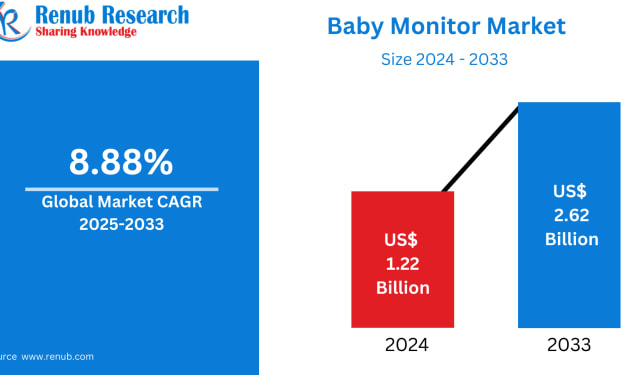
Baby Monitor Market Trends & Summary: How Smart Parenting Tech Is Shaping the Future of Child Safety
Introduction: A New Era of Digital Parenting Parenting in the modern world looks very different from what it did even a decade ago. As more parents balance demanding careers with family life, technology has stepped in as a silent partner—helping caregivers stay connected, informed, and reassured. Among the most trusted of these innovations is the baby monitor, a device that has evolved from simple audio tools into intelligent, AI-powered guardians.
By Marthan Sira day ago in Longevity



Comments
There are no comments for this story
Be the first to respond and start the conversation.