
Why Self-Care Is Crucial for Your Mental Well-Being
Meaning, How To Improve Mental Well-Being, Practices and Facts

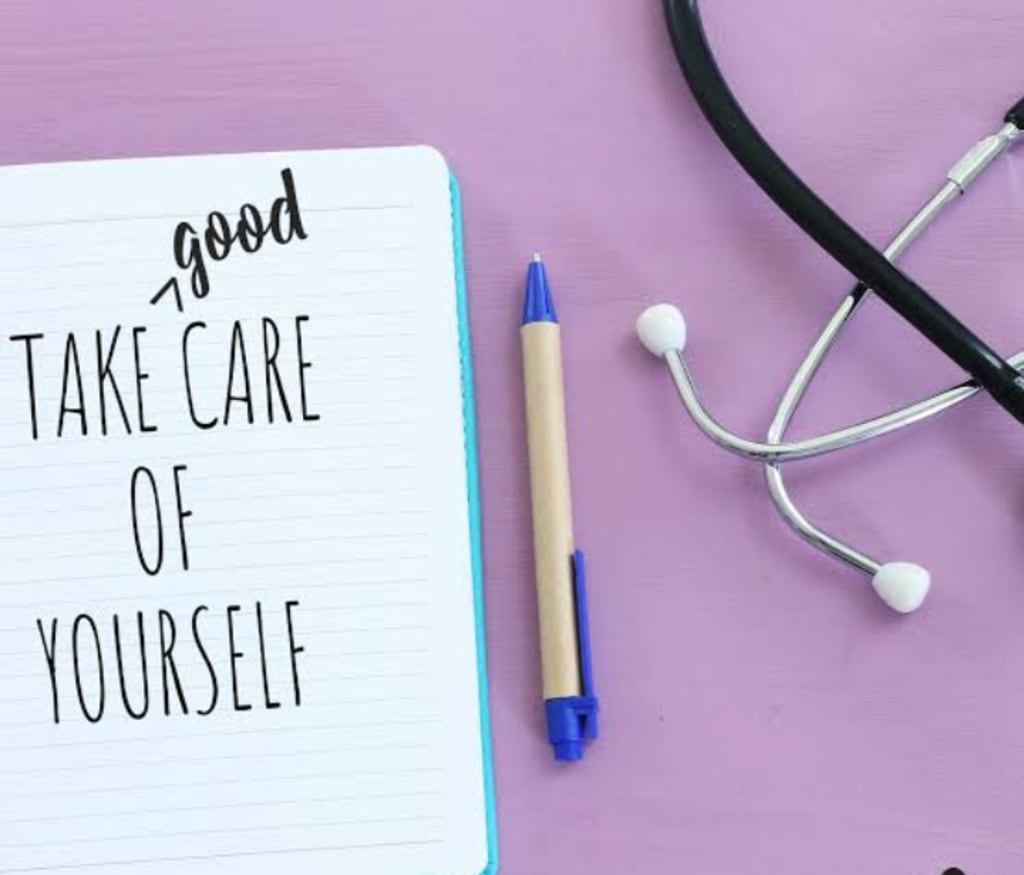
Introduction: Are You Taking Care of Yourself?
Life can be overwhelming. Between work, family, and daily responsibilities, it’s easy to put yourself last. But here’s the truth: neglecting self-care can take a serious toll on your mental well-being. When you don’t take time to recharge, stress builds up, anxiety creeps in, and burnout becomes inevitable.
Self-care isn’t selfish—it’s necessary. Taking care of yourself allows you to show up better in every area of your life. Let’s explore why self-care matters and how it can improve your mental health.
What Is Self-Care and Why Does It Matter?
Self-care is any activity that helps you relax, recharge, and maintain a healthy balance in life. It’s about nurturing your mind, body, and emotions so that you can function at your best.
When you practice self-care regularly, you reduce stress, boost your mood, and build resilience against life’s challenges. It’s not just about bubble baths and spa days—it’s about prioritizing your well-being in ways that truly matter.
How Self-Care Improves Mental Health
1. Reduces Stress and Anxiety
Stress is a part of life, but too much of it can lead to burnout and mental exhaustion. Taking time for yourself—whether through deep breathing, meditation, or simply a short walk—helps lower cortisol levels (the stress hormone) and keeps anxiety in check.
2. Boosts Mood and Emotional Resilience
Ever notice how you feel happier after doing something you love? That’s because self-care increases serotonin and dopamine—the “feel-good” chemicals in your brain. When you prioritize yourself, you build emotional resilience, making it easier to handle life’s ups and downs.
3. Improves Focus and Productivity
Many people think working non-stop is the key to success, but the opposite is true. When you’re mentally drained, your productivity suffers. Taking short breaks, getting enough sleep, and practicing mindfulness help you stay sharp and focused.
Simple Self-Care Practices to Try Today
You don’t need to overhaul your entire routine to practice self-care. Small, consistent actions can make a big difference.
1. Prioritize Sleep
Lack of sleep affects mood, concentration, and stress levels. Aim for 7-9 hours of quality sleep each night to feel refreshed and energized.
2. Move Your Body
Exercise isn’t just for physical health—it’s one of the best ways to boost mental well-being. A short walk, yoga, or dancing to your favorite song releases endorphins that instantly improve your mood.
3. Set Boundaries
Learning to say no to things that drain you is a powerful form of self-care. Protect your time and energy by setting healthy boundaries at work and in relationships.
4. Practice Mindfulness and Gratitude
Being present in the moment and appreciating what you have reduces stress and increases happiness. Try journaling, meditation, or simply taking deep breaths throughout the day.
Final Thoughts: You Deserve to Feel Your Best
Self-care isn’t a luxury—it’s a necessity. By taking time to care for yourself, you’re not only improving your mental health but also becoming a happier, healthier version of yourself. Start small, be consistent, and remember: you can’t pour from an empty cup.
Make self-care a priority today, and watch how it transforms your mind, mood, and life.
---
Quick Facts About Self-Care
✅ Fact 1:Studies show that people who practice self-care have lower stress levels and improved mental health compared to those who don’t.
✅ Fact 2:Just **20 minutes of daily exercise** can boost your mood and reduce symptoms of anxiety and depression.
✅ Fact 3: Practicing gratitude for just five minutes a day can significantly increase long-term happiness and emotional well-being.
Start taking care of yourself today—because you deserve it!
About the Creator
Keep reading
More stories from Bright Health and writers in Longevity and other communities.
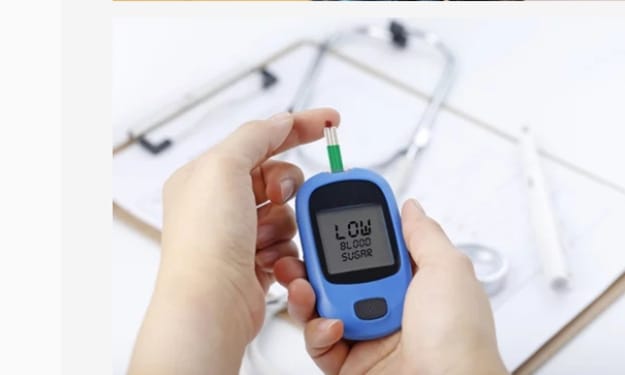
Why Low Sugar kills: The Hidden Danger Of Hypoglycemia
Are You at Risk Without Knowing It? Most of us are told to cut back on sugar, but what happens when you go too low? While excess sugar can lead to serious health issues like diabetes and obesity, not having enough sugar in your bloodstream can be just as dangerous—if not worse. Low blood sugar, or hypoglycemia, can cause dizziness, confusion, fainting, and in severe cases, even death.
By Bright Health 11 months ago in Longevity
Day 4 of Quitting
If this is how sobriety feels, maybe it’s better to go through life a little buzzed… this, along with other hits like, I want to kill myself, I wish I was dead, and I’m going to throw myself off a bridge have been the only thoughts on rotation these past few days. I promise myself that if, in a month, I still feel like this (‘this’ meaning despondent, full of rage, and simultaneously numb) I can go back to smoking. Until mid-February though? Nicotine is off the table.
By sleepy drafts9 days ago in Longevity
Geographic Information Systems Market Size and Forecast 2025–2033
Introduction The Geographic Information Systems (GIS) market is undergoing a profound transformation as digital infrastructure, data analytics, and location-based technologies reshape the way organizations plan, operate, and innovate. According to Renub Research, the global GIS market is projected to grow from US$ 12.90 billion in 2024 to US$ 32.04 billion by 2033, registering a compound annual growth rate (CAGR) of 10.64% between 2025 and 2033.
By Marthan Sir5 days ago in Longevity



Comments (1)
My mental well being also requires self care! Great work!