
Why Low Sugar kills: The Hidden Danger Of Hypoglycemia
Causes, Symptom, Prevention and Facts of Low Sugar

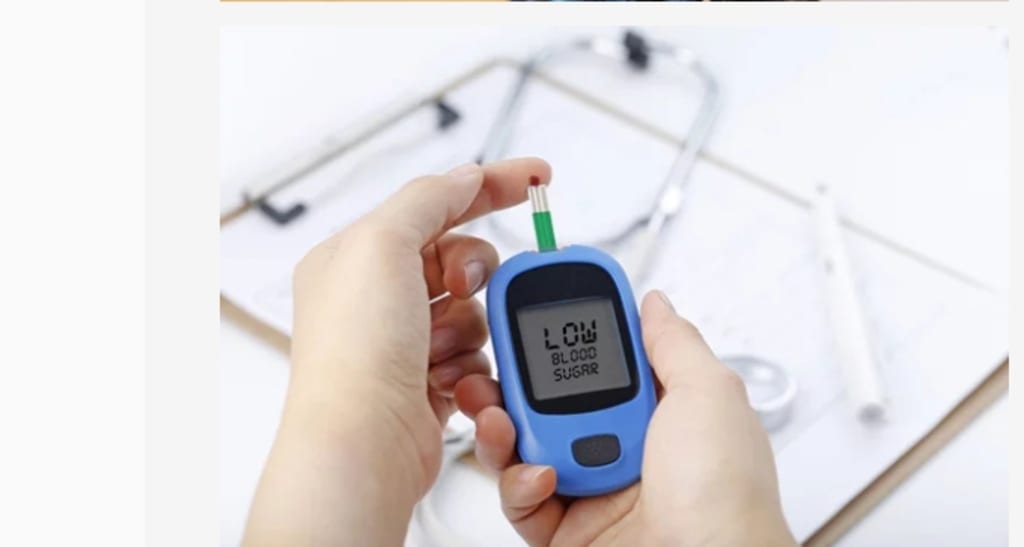
Are You at Risk Without Knowing It?
Most of us are told to cut back on sugar, but what happens when you go too low? While excess sugar can lead to serious health issues like diabetes and obesity, not having enough sugar in your bloodstream can be just as dangerous—if not worse. Low blood sugar, or hypoglycemia, can cause dizziness, confusion, fainting, and in severe cases, even death.
Many people associate blood sugar problems with diabetes, but the truth is, anyone can experience dangerously low sugar levels. Whether you’re on a restrictive diet, skipping meals, or simply unaware of the signs, low blood sugar can strike when you least expect it. Let’s explore why sugar is essential for survival and how you can maintain a healthy balance.
The Role of Sugar in Your Body
Sugar isn’t just a sweet treat—it’s fuel for your body. Every cell, especially those in your brain, relies on glucose for energy. Without enough sugar, your body struggles to function properly, leading to a range of symptoms that can escalate quickly.
When you eat, your body breaks down carbohydrates into glucose, which enters your bloodstream. Your pancreas then releases insulin to help your cells absorb that glucose for energy. However, when your sugar levels drop too low, your body enters a state of crisis. If left untreated, this can lead to seizures, coma, and even death.
This is why maintaining balanced blood sugar levels is critical for overall health.
What Causes Low Blood Sugar?
While low blood sugar is often linked to diabetes treatments like insulin or certain medications, it can happen to anyone. Here are some common causes:
1. Skipping Meals or Fasting
Going long periods without food can cause your blood sugar to drop. If your body runs out of stored glucose, you may feel weak, shaky, or dizzy.
2. Excessive Exercise Without Fuel
Physical activity burns glucose for energy. If you don’t eat before or after exercising, your sugar levels can plummet, leading to fatigue and even fainting.
3. Drinking Alcohol on an Empty Stomach
Alcohol can interfere with your liver’s ability to release glucose into your bloodstream, making it a hidden trigger for hypoglycemia.
4. Certain Medical Conditions
Conditions like adrenal insufficiency, kidney disease, and pancreatic tumors can affect how your body regulates blood sugar.
5. Reactive Hypoglycemia
Some people experience blood sugar crashes a few hours after eating due to an overproduction of insulin. This is more common in those with prediabetes or insulin resistance.
Symptoms of Low Blood Sugar You Should Never Ignore
Recognizing the warning signs of hypoglycemia can prevent dangerous complications. Here’s what to watch for:
- Mild Symptoms: Shakiness, sweating, dizziness, hunger, and irritability.
- Moderate Symptoms: Confusion, blurred vision, heart palpitations, and trouble concentrating.
- Severe Symptoms: Seizures, unconsciousness, difficulty speaking, and loss of coordination.
If you or someone around you experiences these symptoms, it’s crucial to act fast.
How to Prevent and Manage Low Blood Sugar
The good news? Low blood sugar is preventable with the right habits. Here’s how you can keep your glucose levels stable:
1. Eat Balanced Meals Regularly
Skipping meals can send your blood sugar on a rollercoaster. Eating a combination of protein, healthy fats, and complex carbs every few hours helps maintain steady glucose levels.
2. Choose the Right Carbs
Not all carbs are created equal. Whole grains, fruits, and vegetables provide a steady release of glucose, while refined sugars cause spikes and crashes.
3. Carry Quick Sugar Fixes
If you feel symptoms of low blood sugar, eating a small amount of fast-acting sugar—like fruit juice, honey, or glucose tablets—can help restore balance.
4. Watch Your Alcohol Intake
If you drink alcohol, always pair it with food to prevent blood sugar dips.
5. Monitor Blood Sugar Levels (If at Risk)
If you have diabetes or frequent low blood sugar episodes, tracking your levels can help you stay ahead of potential crashes.
Quick Facts About Low Blood Sugar
1. Can low blood sugar occur without diabetes?
Yes! While diabetics are more prone to hypoglycemia, anyone can experience low blood sugar due to diet, alcohol, excessive exercise, or medical conditions.
2. How fast can low blood sugar become dangerous?
It depends on the person, but in severe cases, symptoms can escalate within minutes, leading to unconsciousness or seizures if untreated.
3. What’s the best food to eat if you feel your blood sugar dropping?
Fast-acting carbs like fruit juice, glucose tablets, honey, or a small piece of candy can help raise your blood sugar quickly.
By staying informed and listening to your body, you can prevent dangerous sugar crashes and maintain a healthy, balanced life.
About the Creator
Keep reading
More stories from Bright Health and writers in Longevity and other communities.
What Is Measles? Understanding the Virus and How to Stay Safe
What Is Measles? Understanding the Virus and How to Stay Safe Introduction: Is Measles Really That Serious? Imagine waking up with a high fever, red eyes, and a rash spreading across your body. You feel weak, exhausted, and irritated. This isn’t just a common cold—it’s measles, a highly contagious virus that has been around for centuries. But the good news is, measles is entirely preventable!
By Bright Health about a year ago in Longevity
After the warmest weather of the year so far, is winter finally over?
As much of the Northern Hemisphere basks in unseasonably warm temperatures, many are asking whether winter is truly coming to an end or if this is merely a brief interlude before the chill returns. Meteorologists note that while recent weeks have brought record-breaking warmth in several regions, the seasonal transition is more nuanced, and forecasts suggest that cold snaps may still make surprise appearances. Across parts of North America, Europe, and Asia, thermometers have consistently recorded temperatures above seasonal averages. In cities like New York City, Paris, and Beijing, residents have reported unusually mild weather, prompting early sightings of blooming flowers and active wildlife that typically emerge later in the season. Local authorities have even issued advisories for heat-sensitive infrastructure, such as early melting of snow and ice causing minor flooding in some urban areas. Climatologists emphasize that while short-term warmth can feel like the end of winter, it does not necessarily indicate a permanent shift. “Weather and climate are distinct concepts,” said Dr. Hannah Moore, a meteorologist at the National Weather Service. “A week or two of warm temperatures is a weather event. Winter, defined by astronomical and climatological markers, continues until the official seasonal end.” The current warm spell has been linked to several atmospheric phenomena. A persistent high-pressure system has settled over large portions of the Northern Hemisphere, drawing in warmer air from lower latitudes. At the same time, shifts in the jet stream have allowed cold Arctic air to remain farther north than usual, creating a pocket of warmth at mid-latitudes. While such patterns often produce temporary spikes in temperature, they do not necessarily mark the end of the season. Unseasonably warm conditions have significant ecological and societal impacts. Early thawing of snowpacks in mountainous regions increases the risk of spring flooding. Wildlife, particularly migratory birds and hibernating mammals, may be confused by inconsistent cues from the environment, affecting feeding and breeding patterns. Agricultural communities are also on alert, as early warmth can prompt premature growth of crops, leaving them vulnerable to potential late frosts. Despite the optimism brought by sunshine and mild days, experts caution that winter is not officially over until astronomical markers, such as the vernal equinox, are reached. Moreover, historical climate data shows that sudden cold snaps in March and even early April are not uncommon. For instance, a notable late-season cold wave in 2018 caused widespread frost damage across parts of Europe and North America, highlighting the unpredictable nature of transitional seasons. The psychological effects of early warmth are also notable. Residents often report a boost in mood and increased outdoor activity, reflecting the strong link between sunlight and human well-being. Cities have seen a surge in park attendance, cycling, and other recreational pursuits. However, meteorologists urge caution: the allure of warm weather should not lead to underestimating potential residual winter hazards, such as icy patches on roads or sudden snow flurries. Climate change adds another layer of complexity. While seasonal averages are gradually shifting upward globally, the variability from year to year remains significant. Scientists warn that interpreting a single warm spell as a permanent end to winter is misleading. Instead, it should be seen as part of broader patterns of climate variability, including more frequent temperature extremes and unusual weather events. In conclusion, while recent warmth may feel like the curtain call for winter, it is too early to declare the season officially over. Atmospheric patterns, historical precedent, and the persistence of cold pockets all suggest that winter can still make intermittent returns. For now, residents can enjoy the sunny reprieve but should remain prepared for sudden chills. Seasonal transitions are rarely linear, and this early taste of spring may merely be a preview of the warmth to come rather than a definitive end to winter’s reign.
By Fiaz Ahmed 5 days ago in Longevity
What Happens to Your Blood Sugar When You Skip Breakfast
Skipping breakfast may affect blood sugar regulation, especially in people with metabolic conditions. Some people experience higher glucose spikes and increased hunger later in the day. Meal timing that aligns with your natural rhythms may support steadier energy and metabolism.
By Good health to everyoneabout 5 hours ago in Longevity




Comments (1)
It’s good to keep a good blood sugar level! Good knowledge! Thank you