
What Is Measles? Understanding the Virus and How to Stay Safe
Symptoms, Mode of Transmission, Treatment, Prevention Tips and Facts

What Is Measles? Understanding the Virus and How to Stay Safe
Introduction: Is Measles Really That Serious?
Imagine waking up with a high fever, red eyes, and a rash spreading across your body. You feel weak, exhausted, and irritated. This isn’t just a common cold—it’s measles, a highly contagious virus that has been around for centuries. But the good news is, measles is entirely preventable!
In this article, we’ll break down what measles is, how it spreads, and, most importantly, how you can protect yourself and your loved ones. Let’s dive in!
What Is Measles?
Measles, also known as rubeola, is a viral infection that primarily affects the respiratory system. It’s caused by the measles virus, which belongs to the paramyxovirus family. The disease spreads rapidly through airborne droplets when an infected person coughs or sneezes.
Symptoms of Measles
Measles symptoms don’t appear immediately after exposure. Instead, they develop in stages:
Stage 1: Incubation Period (7–14 days) – No symptoms yet, but the virus is multiplying in the body.
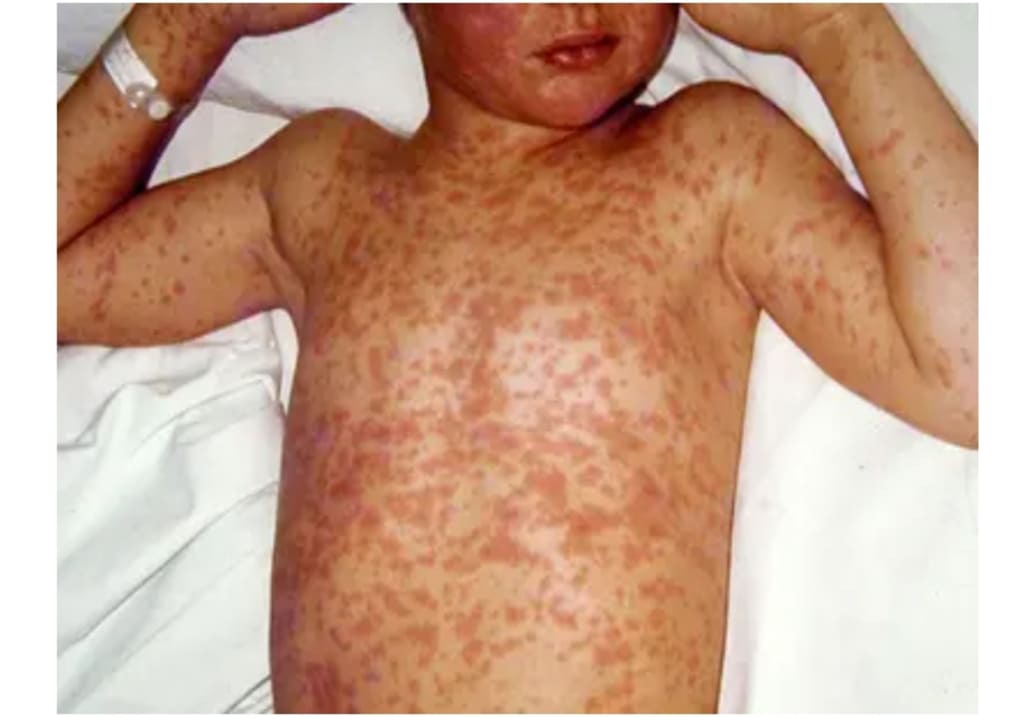
Stage 2: Initial Symptoms (2–4 days) – Fever, cough, runny nose, red eyes, and tiny white spots inside the mouth .
stage3: Rash Appearance – A red, blotchy rash starts on the face and spreads down the body.
These symptoms can be severe, leading to complications such as pneumonia, encephalitis (brain swelling), and even death in extreme cases.
How Does Measles Spread?
Measles is one of the most contagious viruses known to humanity. In fact, if an infected person enters a room, the virus can linger in the air for up to two hours. You can catch measles by:
- Breathing in virus-infected droplets.
- Touching a contaminated surface and then touching your face.
- Close contact with an infected person.
Because the virus spreads so easily, vaccination is the best way to stop its transmission.
The Importance of Vaccination
The MMR (Measles, Mumps, and Rubella) vaccine is a highly effective and safe way to prevent measles. Here’s why vaccination is crucial:
-High Effectiveness – Two doses of the MMR vaccine provide around 97% protection against measles.
- Herd Immunity – When a high percentage of the population is vaccinated, it helps protect those who cannot be vaccinated due to medical reasons.
- Global Eradication Efforts – Many countries have successfully reduced measles cases through widespread vaccination programs.
If you haven’t been vaccinated or are unsure about your immunity, checking with a healthcare provider is a wise decision.
Treatment and Recovery
Since measles is caused by a virus, antibiotics won’t help. However, supportive care can ease symptoms and prevent complications. Treatment options include:
- Rest and staying hydrated.
- Fever reducers like acetaminophen or ibuprofen (avoid aspirin in children).
- Vitamin A supplements, which can reduce severity, especially in young children.
Most people recover within two to three weeks, but in some cases, complications can prolong recovery time.
Staying Safe: Prevention Tips
Aside from vaccination, here are additional ways to protect yourself from measles:
Practice good hygiene – Wash your hands frequently and avoid touching your face.
- Boost your immune system – A healthy diet and adequate sleep help your body fight infections.
- Avoid close contact with infected individuals – If there’s an outbreak, stay informed and take necessary precautions.
Quick Facts About Measles
1. Can you get measles twice?
No, once you have had measles, your body develops immunity, making it highly unlikely to catch it again.
2. Is measles only dangerous for children?
No, while young children are at higher risk of complications, measles can be severe for adults and immunocompromised individuals as well.
3. How long is a person with measles contagious?
An infected person can spread measles from about four days before the rash appears until four days after it has emerged.
By staying informed and vaccinated, you can help stop the spread of measles and protect your community. Stay safe, stay healthy, and spread knowledge—not the virus!
About the Creator
Keep reading
More stories from Bright Health and writers in Longevity and other communities.
what is an ulcer?
what is an ulcer? An ulcer is an inflamed open sore on the skin or mucous membrane. They can take many forms and can appear both on the inside and outside of your body. It forms on the lining of the stomach, small intestine or esophagus.
By Bright Health about a year ago in Longevity
Herbal Tea: Natural Drink for Relaxation and Better Health
Introduction: Herbal tea is a natural beverage made from dried herbs, flowers, fruits, or spices. Unlike traditional teas such as black or green tea, herbal tea usually does not come from the Camellia sinensis plant.
By Health Tipsa day ago in Longevity
Why Your Brain Feels Foggy During the Day
Why Your Brain Feels Foggy? Have you ever sat in class or tried to study, only to realize that your brain just isn’t cooperating? You read the same sentence three times, struggle to focus, and feel mentally drained even though the day has barely started. Many students experience this feeling, often described as “brain fog.”
By Being Inquisitive5 days ago in Longevity
Top tipple tricks
Been thinking a lot about drinking, lately. Not least because of a recent episode of over-indulgence and the inevitable after effects. Some readers may recall the earlier articles I wrote about beating the booze. Here I set out an experiment in techniques for cutting down on my alcohol intake. The experiment was successful, the techniques worked, and I have armed myself with an arsenal of weapons in the war against the demon drink. I have yet to fire the first round however. It's all a question of timing (perhaps procrastination).
By Raymond G. Taylor5 days ago in Psyche



Comments
There are no comments for this story
Be the first to respond and start the conversation.