
Why I Became a Vegan
Embracing Plant Based Health

Today, health and wellness are big topics. Diet is especially popular. The plant-based diet, or veganism, is getting a lot of attention. Netflix's "You Are What You Eat: A Twin Experiment" has made many think about their eating habits.
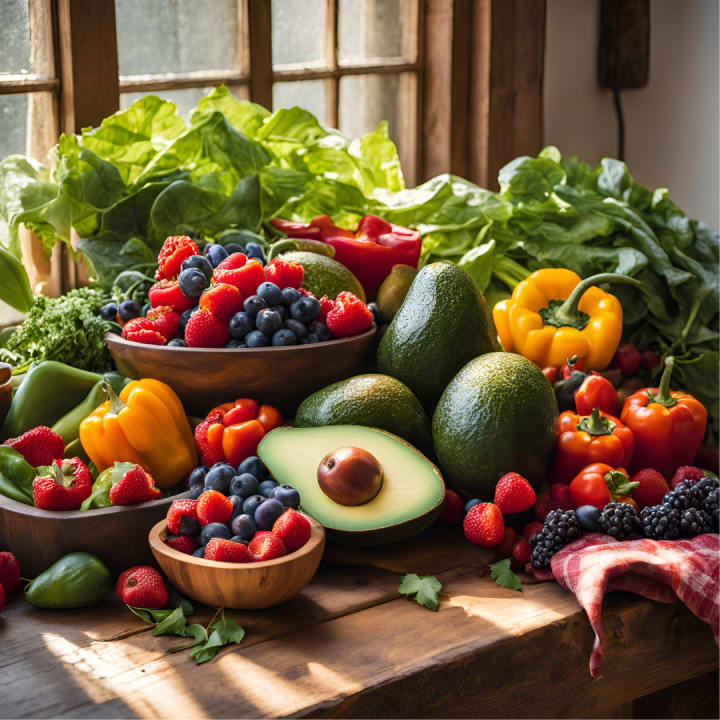
The Stanford Medicine trial in a recent documentary found great results for vegans. They saw big drops in bad cholesterol, insulin, and weight. This led to better heart health. Many studies show the benefits of a plant-based lifestyle.
Understanding the Plant-Based Lifestyle
A plant-based diet focuses on foods from plants like fruits, veggies, whole grains, nuts, and seeds. It excludes or limits animal products. Veganism is stricter, avoiding all animal products, including dairy and eggs. The debate on vegan diet health benefits is ongoing, with many seeing its positive effects.
"Check out my website Pure Plant Pleasures for some seriously tasty vegan recipes! Whether you're just getting started or looking to mix things up, I’ve got plenty of fun, easy, and delicious plant-based dishes waiting for you. Give them a try and make your plant-based journey even more exciting!"
What is a Vegan Diet?
Veganism means not using animal products like meat, dairy, eggs, and honey. It's a growing choice for health, animal welfare, and the environment.
History of Veganism
Veganism has roots in ancient times, where some cultures ate plants for health and spiritual reasons. The modern vegan movement began in 1944 in the UK, thanks to Donald Watson and the Vegan Society.
Benefits of a Vegan Lifestyle
Studies show a plant-based diet can lower heart disease, type 2 diabetes, and cancer risks. It's also rich in nutrients, fiber, and antioxidants, boosting health and wellness.
A 2020 Gallup poll found one in four Americans eat less meat. A 2021 Journal of Nutrition study linked avoiding meat to more ultra-processed foods. Eating more plants can lead to a smaller waist and less body fat, a 2019 Epidemiology study found.
The EAT-Lancet Commission suggests doubling global plant consumption and cutting red meat and added sugars by 50%.

While plant-based lifestyles offer many benefits, vegans might face nutritional deficiencies. These include vitamin B12, calcium, iron, zinc, protein, vitamin D, and omega-3 fatty acids. Proper meal planning and supplements can help maintain a balanced vegan diet.
Nutritional Needs on a Vegan Diet
When I started my vegan lifestyle, I quickly learned about the importance of nutrition. I had to give up animal-based foods that are full of important nutrients. These include protein, iron, calcium, vitamin B-12, and omega-3 fatty acids.
Without these nutrients, my body could miss out on essential functions. These functions are vital for muscle repair, bone health, and more. They also help with red blood cell production and nerve function.
To meet my nutritional needs, I focused on plant-based proteins and other vegan foods. I researched the best sources of these nutrients. Then, I made sure to include them in my meals and snacks every day.
About 3% of Americans follow a vegan diet.
Research shows that a plant-based diet could lower the risk of certain diseases.
Dietary vegans follow a vegan diet specifically for health benefits.
Vegan diets are very restrictive, potentially causing nutrient deficiencies.
Veganism is a way of life focused on protecting animals and the environment.

By planning my meatless and dairy-free meals carefully, I met my nutritional needs. This helped me stay healthy while living an ethical lifestyle and following my veganism journey. Paying attention to my diet has been key to my overall health and well-being.
Essential Nutrients
Starting my plant-based journey, I knew I had to get all the nutrients I needed. Meat is not the only source of protein. There are many tasty meat alternatives that keep me full and energized. Legumes like beans, lentils, and peas are full of protein and fiber. They also have iron, folate, calcium, potassium, zinc, and antioxidants.
Protein
Nuts and seeds are great for plant-based protein, with 5-12 grams per ounce. They also have iron, fiber, magnesium, zinc, selenium, and vitamin E. Tofu and tempeh are good for protein, iron, and calcium.
Iron
Iron is key for making red blood cells. Plant-based foods like chickpeas, fortified cereals, lentils, pumpkin, quinoa, spinach, and sweet potatoes are good sources. Make sure to eat these with vitamin C-rich foods to better absorb iron.
Calcium
Calcium is vital for strong bones and teeth. Vegans can find it in almonds, avocados, fortified plant milks, leafy greens, and tofu. It's important to include these in a balanced diet.
Vitamin B-12
Vitamin B-12 is important for nerves and blood. Since it's mainly in animal products, vegans need supplements or fortified foods like cereals, nutritional yeast, and plant milks.
Omega-3 Fatty Acids
Omega-3s are good for the brain and heart. Plant sources like almonds, chia seeds, flaxseeds, hemp seeds, and walnuts have a different type of omega-3 than fish.
By eating a variety of nutrient-rich plant-based foods, I've done well on my plant-based journey. I make sure I get all the essential nutrients I need.
Nutrient-rich plant-based foods

Why I Became a Vegan and eat a healthy plant based diet for health and wellness
I became passionate about the vegan lifestyle and compassionate living. I decided to switch to a plant-based diet after learning about its health benefits. A 2022 review in Cureus showed that vegan diets can lower heart disease risk.
Documentaries like Forks Over Knives and Cowspiracy inspired me. They showed the positive impact of a plant-based diet on health. This motivated me to change my lifestyle for better wellness.
Changing to a vegan diet wasn't easy. I faced personal fears and concerns about what others might think. But, focusing on my health and adopting a "food rebel" mindset helped me overcome these challenges. At first, my cholesterol levels improved a lot.
But, when my vegan-ish diet wasn't consistent, my cholesterol levels went back up. So, I decided to go full vegan. I stopped eating all animal products and fully committed to a plant-based diet.
The change has been amazing. My blood lipid numbers have stayed in the ideal range. I also have more energy, better digestion, and overall wellness. Becoming a vegan was a choice for both health and ethics. It has greatly improved my life.
vegan lifestyle
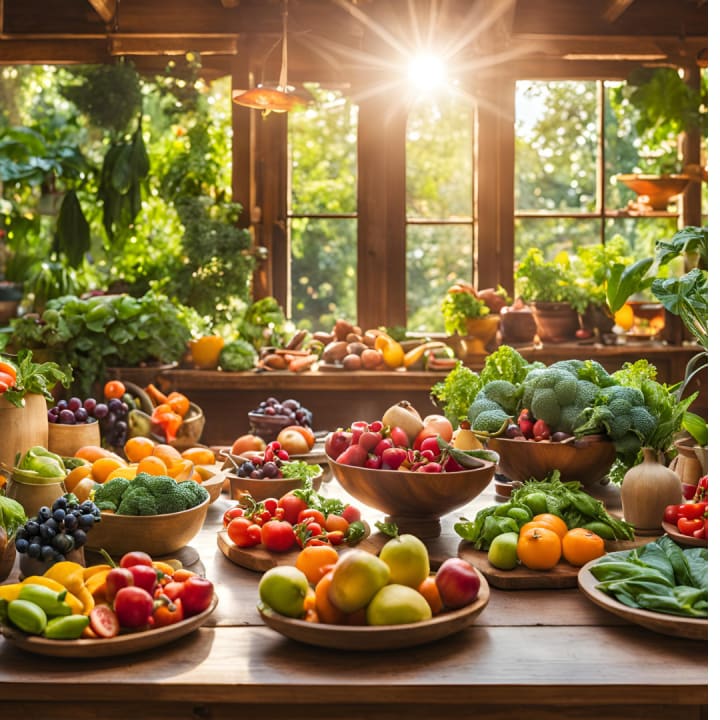
My journey to becoming a vegan shows the power of the plant-based lifestyle. It highlights the importance of health and well-being. By choosing a compassionate living approach, I've improved my health and supported the cause of veganism. I'm proud of this choice and hope it inspires others to try a vegan lifestyle.
Planning a Balanced Vegan Diet
Starting a vegan lifestyle means you need to plan your meals carefully. This ensures you get all the nutrients you need. By setting aside time for meal prep, you can keep your diet healthy and balanced.
Vegan Meal Planning Tips
Here are some tips for planning a balanced vegan diet:
Incorporate variety by trying different plant-based foods like fruits, veggies, whole grains, legumes, nuts, and seeds.
Prep meals in advance to save time and stick to your vegan diet.
Balance your plate with complex carbs, proteins, and healthy fats in every meal.
Stay hydrated by drinking lots of water all day.
Utilize fortified foods like plant-based milks, cereals, and spreads to meet nutritional needs.
Seek guidance from vegan nutrition experts to make sure you're getting everything you need.
Sample Vegan Meal Plan
Here's a sample vegan meal plan to get you started:
Breakfast: A smoothie bowl with berries, spinach, chia seeds, and almond milk.
Lunch: A quinoa salad with chickpeas, cucumber, tomatoes, and a lemon-tahini dressing.
Dinner: Stir-fried tofu with broccoli, bell peppers, sweet potatoes, and brown rice.
Snacks: Almonds, hummus with carrot sticks, or an apple with peanut butter.
By planning and preparing your vegan meals, you can ensure a balanced diet. This supports your ethical choices, sustainability, and health goals.
vegan meal plan

Dispelling Common Myths about Vegan Diets
Many people still have misconceptions about veganism, even as it becomes more popular. These myths can stop others from trying veganism or lead to nutritional issues for new vegans. Let's clear up some of these myths.
The idea that vegans can't get enough protein is wrong. There are many plant-based proteins like beans, lentils, tofu, tempeh, and quinoa. These foods have all the amino acids the body needs.
Some think vegan diets are always healthy. While a well-planned vegan diet is very nutritious, vegan junk food exists too. It's key to eat unprocessed, whole foods to get the most from a plant-based diet.
Many believe vegan diets are expensive. But, foods like rice, beans, and seasonal veggies are often cheaper than meat and dairy. With some planning and smart shopping, vegan diets can be affordable.
The myth that vegan diets are boring and restrictive is also false. A plant-based diet can be rich and varied, with countless recipes to try. From tasty vegan burgers to creamy curries, there's a world of flavors to explore.
By debunking these myths, we can encourage more people to try veganism. With the right info and resources, switching to a vegan lifestyle can be empowering and fulfilling.
The demand for vegan products keeps growing, showing more people want sustainable and ethical choices. This growth in demand is making plant-based options more accessible and varied.
Practical Tips for Thriving on a Vegan Diet
Starting a vegan lifestyle is more than just cutting out animal products. It's about making smart choices that keep you healthy. Here are some tips to help you succeed on a vegan diet.
Reading Food Labels
When you're shopping for vegan foods, always check the labels. Watch out for animal products like gelatin, casein, and some food dyes. Learning to read labels well helps you stick to your vegan diet.
Dining Out as a Vegan
Eating out as a vegan can be tricky, but it's doable. Many places now have vegan options. It's okay to ask for special dishes or to know what's in your food. Looking for vegan-friendly restaurants can make eating out better.
Supplementing When Necessary
Even with a good vegan diet, you might need some supplements. Things like B-12, vitamin D, and omega-3s can help fill nutritional gaps. Talk to a doctor to see if you need any supplements.
By using these tips, you can do well on a vegan diet. You'll enjoy the benefits of living ethically and sustainably.
My Journey to Plant-Based Health
My vegan journey started when my cholesterol numbers went up. My doctor suggested a statin but I wanted to try a plant-based diet first. As a health writer, I knew about the benefits of plant-based diets for heart health.
Changing my diet wasn't easy, but it was worth it. Over the years, I've followed a whole-food, plant-based lifestyle. My cholesterol levels are now in the ideal range, and I feel healthier and more energetic than ever.
Switching to a vegan journey and sustainable choices was tough at times. But I learned to listen to my body and try new recipes. I found ways to make plant-based eating fun and fulfilling. This journey introduced me to a world of tasty, nutritious foods that nourish my body and give me energy.
Looking back, I'm thankful for the chance to take charge of my health and help the environment. This vegan journey has changed me for the better. I'm excited to keep exploring the advantages of a plant-based lifestyle.
Overcoming Obstacles and Embracing Change
My journey to veganism wasn't easy. I faced many challenges as I switched to a plant-based diet. One big issue was how I saw myself and what others might think.
I was worried that being vegan would make me seem "high-maintenance" when eating out with friends and family. But then, I found a new identity as a food rebel. I learned that not eating like everyone else didn't make me "weird." It meant I was ahead of the curve in making sustainable choices.
Putting my health first was key. I was surprised that my vegan choices didn't alienate my loved ones. Instead, many were curious about my veganism journey and dietary transition.
Talking to others who shared my vegan lifestyle gave me great advice. I also tried new foods and cooking methods to keep my meals interesting and fulfilling.
Handling social situations and cravings took some planning, but I managed. With persistence and a positive attitude, I overcame these hurdles and fully embraced veganism's sustainable choices.
It was important to watch how my body reacted to the vegan diet and make changes when needed. By staying informed and making thoughtful choices, I thrived on a plant-based diet. I enjoyed the many benefits it brought.
The Importance of Mindful Eating
Embracing the vegan lifestyle has shown me how important mindful eating is. A vegan diet is very nourishing but needs careful planning. It's key to get all the nutrients your body needs.
One big challenge is avoiding vegan junk food. It's tempting but can harm your health just like non-vegan junk food.
Avoiding Vegan Junk Food
Processed vegan snacks are convenient but not always healthy. I've learned that too many vegan treats can lower my energy and well-being. Now, I focus on whole, unprocessed foods and check the ingredients in vegan products.
Meal Preparation and Planning
Meal planning is essential in my vegan lifestyle. I keep healthy snacks like nuts, fruit, and hummus ready. When eating out, I look for plant-based options.
Choosing a compassionate choices and transitioning to a cruelty-free diet has changed me. It's a mindful journey with amazing health benefits.
Inspiring Others Through Personal Transformation
My vegan journey has changed me deeply. It's made me happy to see my loved ones making sustainable choices too. They've started to eat more plant-based, and it's rewarding to see their changes.
My mom is now eating more plant-based meals. My brother-in-law loves vegan cooking and baking. Even my wife Bethany, who was unsure at first, now eats mostly plant-based. This shows how leading by example can make a big difference.
I think my vegan journey has inspired my family. They've seen how it's improved my health and wellness. It's great to know my choices have positively affected those I love.
I'm excited to see more of my family join the vegan lifestyle. By sharing my experiences, I hope to inspire others. I want to show them the benefits of a compassionate and sustainable way of living.
Staying Nourished: Addressing Potential Deficiencies
Starting a vegan diet requires careful planning. It's important to watch out for nutrient gaps when you stop eating animal products. This is key for staying healthy and sustainable.
I knew I'd need a B12 supplement, but I didn't take one. My bloodwork showed I was low on B12. I thought fortified foods would cover it, but making our own soy milk and cereal led to a mistake.
Before starting a vegan diet, learn about the challenges. Make sure you get enough B12 and other nutrients like iron, calcium, vitamin D, omega-3s, and zinc. A B12 supplement is a must.
Adopting a vegan lifestyle needs careful planning and a focus on nutrition. By tackling potential deficiencies early, you can enjoy the benefits of a vegan diet. It's all about making sustainable choices.
Incorporate a B12 supplement into your daily routine.
Ensure you're getting enough iron, calcium, vitamin D, omega-3s, and zinc through plant-based sources or fortified foods.
Stay informed about the unique nutritional needs of a vegan diet and be proactive in meeting them.
Wrapping Up
Reflecting on my journey to a plant-based lifestyle, I feel grateful and sure. Studies show that a vegan or plant-based diet is very good for us. It lowers death rates, helps with weight, and improves heart health.
"Don't forget to check out pureplantpleasures.org for more amazing vegan recipes!".
About the Creator
Keep reading
More stories from Jeff Hutchings and writers in Longevity and other communities.
Quirky Ways to Beat Stress: Unconventional Stress Busters
Quirky Ways to Beat Stress: Unconventional Stress Busters Stress is a common challenge many face daily. Yet, there are quirky, unconventional techniques to manage and reduce it. This article will cover various silly activities like coloring books and jumping in leaf piles. It will also explore creative outlets such as doodling and pottery. These methods can help us relax, unwind, and enhance our mental well-being.
By Jeff Hutchingsabout a year ago in Longevity
Early Warning Signs: Minor Symptoms That Evolve Into Chronic Pain
Most people dismiss minor aches and stiffness as temporary inconveniences or inevitable parts of aging. However, medical experts across multiple specialties warn that these seemingly insignificant symptoms often serve as early warning signs of chronic pain conditions that become far more difficult and expensive to treat once they progress. Understanding which minor symptoms deserve immediate attention can prevent years of unnecessary suffering and disability.
By Tim Clarke6 days ago in Longevity
The impact of sleep on our mental state
Introduction Sleep is a critical pillar of our daily lives, yet it’s often treated as an afterthought. While comfort and personal preference matter, the idea that we should just sleep “whenever and however” is a trap. To truly function at your peak, you need more than just rest — you need a disciplined strategy. It sounds harsh and at first, if you are used to staying up all night and not paying attention to your mental and physical health, it might seem impossible. However, great things do require some small sacrifices, so let us begin with the three tips.
By Charilaos Spanoudis4 days ago in Longevity


Comments
There are no comments for this story
Be the first to respond and start the conversation.