
Why Are More People Getting Cancer? Doctors Reveal: It’s Not Smoking or Drinking, but These 4 Habits Are to Blame!
You’re Ignoring the Real Danger: 4 Everyday Habits Fueling the Cancer Epidemic


Walking down the street or scrolling through social media, it’s hard to avoid hearing about someone who’s been diagnosed with cancer. It seems like more and more people are falling ill, especially in bustling cities where cases are skyrocketing. This begs the question: What’s causing cancer to spread like wildfire? Is it the environment we live in, or are our daily habits unknowingly planting the seeds of danger?
For years, smoking, heavy drinking, and unhealthy diets have been labeled as the main culprits behind cancer. You can’t go anywhere without seeing warnings like “Smoking is harmful to health” or “Excessive drinking can lead to liver cancer.” While it’s true that smoking and drinking can be detrimental, the truth is, cancer’s causes are far more complex. It turns out, many of the habits we overlook might be the real culprits.
I’ve come to realize that the rise in cancer isn’t just about smoking and drinking. Often, it’s the little things we do every day, the habits we’ve developed over time, that are the real culprits. To truly combat cancer, we need to address these overlooked aspects and take preventive measures before it’s too late. So, what are these everyday habits that could potentially trigger cancer? Let’s dive in.
1. Living Under Constant Stress
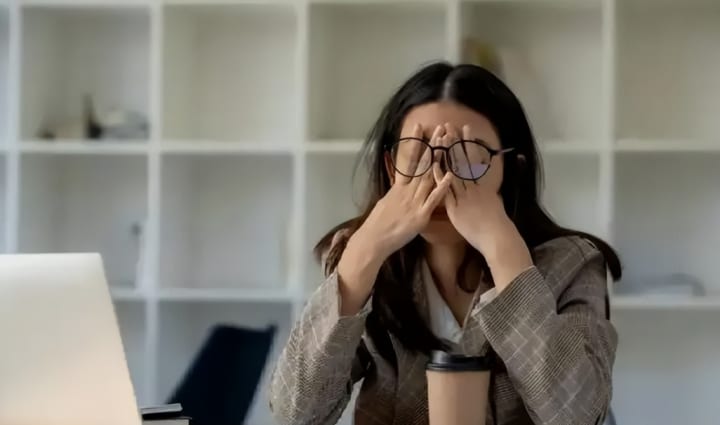
In today’s fast-paced world, there’s no shortage of people who are constantly burning the candle at both ends. They work tirelessly, often putting in over ten hours a day, with late-night work becoming a regular occurrence. When they’re busy, they skip meals, relying on a quick coffee and a snack to get them through. To others, they seem full of energy and determination, but their bodies are silently signaling distress. They wake up feeling dizzy, their backs ache, and they’re constantly bloated. Yet, they push through, ignoring these warning signs. One day, overwhelming fatigue and severe pain force them to seek medical attention. The diagnosis is devastating: cancer.
Living under constant stress doesn’t just take a toll mentally; it weakens the immune system. When stress is chronic, the body pumps out cortisol, a stress hormone. While cortisol can help us cope in the short term, prolonged high levels impair the immune system, making it less effective at fighting off diseases and identifying abnormal cells. This creates an environment where cancer cells can thrive.

2. Poor Eating Habits
In the outpatient clinic, there’s a patient who’s constantly battling digestive issues. Symptoms like stomach pain, bloating, and loss of appetite plague him relentlessly. Upon closer inspection, it’s clear his dietary habits are the problem. Due to his busy schedule, he often skips meals and opts for instant noodles or takeout when he does eat. Initially, he dismissed these symptoms as work-related fatigue. However, a routine checkup reveals early-stage cancer. Surprisingly, this patient doesn’t smoke, doesn’t drink excessively, and appears to lead a relatively healthy life. The culprit? His long-term unhealthy eating habits.
In our fast-paced lives, many people rely on processed foods for convenience. These foods are loaded with additives, preservatives, and artificial colors, which act like “time bombs” in the body, potentially causing cellular mutations that lead to cancer. Additionally, a diet high in fat can lead to obesity, which is a significant risk factor for various cancers. Excess fat triggers inflammation, creating a chronic inflammatory state that damages cells and increases cancer risk.

3. Leading a Sedentary Lifestyle
There’s a female patient who doesn’t smoke, pays attention to her health, and maintains a regular schedule. Despite her seemingly healthy lifestyle, she was diagnosed with breast cancer. Upon learning more about her habits, the root cause becomes evident: she leads a sedentary lifestyle. Aside from brief commutes, she spends most of her day at home, either watching TV or scrolling through her phone in bed. She rarely engages in vigorous exercise, and in recent years, her busy schedule has left almost no time for physical activity.
Studies show that a sedentary lifestyle is linked to various cancers, including breast, stomach, colorectal, and pancreatic cancers. Prolonged sitting disrupts blood circulation and metabolism, particularly affecting breast tissue and increasing the risk of abnormal cell growth. Lack of exercise weakens the immune system, making it less effective in combating cancer cells.
4. Chronic Sleep Deprivation
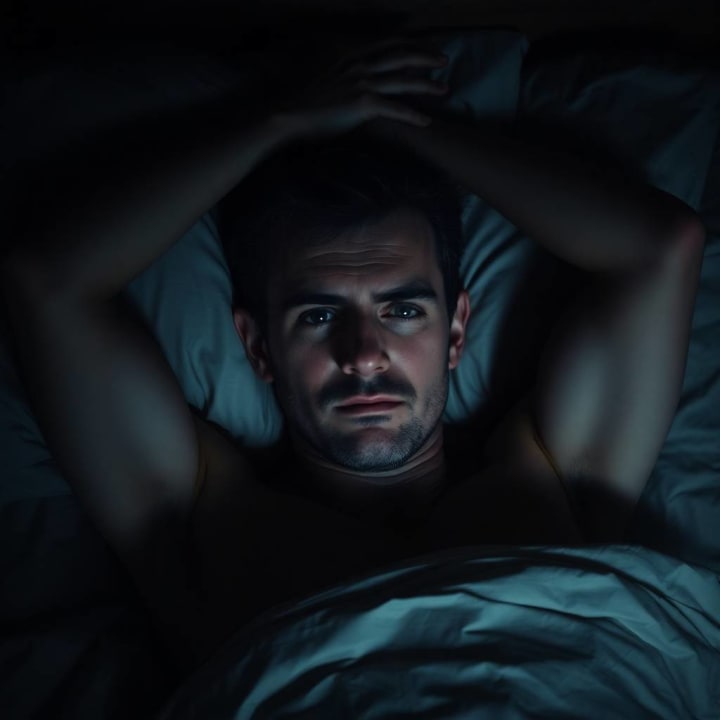
In the hospital ward, there’s a patient with a disrupted sleep schedule. Due to the nature of his work, he often works late and sleeps during the day, making it difficult for him to adapt to a normal daytime routine. While he manages to sleep six to seven hours a day, the irregular schedule leaves him exhausted. A routine checkup reveals a weakened immune system and early signs of cancer.
Chronic sleep deprivation disrupts the body’s internal clock and weakens the immune system. Quality sleep is essential for repairing cells and maintaining strong immunity, both of which are crucial for cancer prevention. If you frequently struggle with insomnia or regularly stay up late, it’s a red flag. Over time, this can compromise your health defenses, making you more susceptible to serious illnesses, including cancer.

Conclusion
The rise in cancer cases isn’t just about smoking or drinking. It’s about the habits we’ve developed over time—stress, poor diet, lack of exercise, and inadequate sleep—that are quietly increasing our cancer risk. By addressing these issues and adopting a healthier lifestyle, we can significantly reduce our chances of falling victim to this devastating disease.
About the Creator
Skillful Living
Not an expert, not a guru
Just someone learning small life skills
and trying to be a little kinder to myself every day.
Keep reading
More stories from Skillful Living and writers in Longevity and other communities.
Day 4 of Quitting
If this is how sobriety feels, maybe it’s better to go through life a little buzzed… this, along with other hits like, I want to kill myself, I wish I was dead, and I’m going to throw myself off a bridge have been the only thoughts on rotation these past few days. I promise myself that if, in a month, I still feel like this (‘this’ meaning despondent, full of rage, and simultaneously numb) I can go back to smoking. Until mid-February though? Nicotine is off the table.
By sleepy drafts13 days ago in Longevity
Saudi Arabia Osteoporosis Drugs Market Poised for Steady Growth Through 2033
Saudi Arabia Osteoporosis Drugs Market Size and Forecast 2025–2033 The Saudi Arabia Osteoporosis Drugs Market is projected to grow from US$ 210.89 million in 2024 to US$ 308.84 million by 2033, registering a compound annual growth rate (CAGR) of 4.33% between 2025 and 2033. This steady expansion reflects the growing burden of osteoporosis, increased screening rates, rapid uptake of biologics, and government-led healthcare reforms under Vision 2030.
By Renub Researcha day ago in Longevity
Ludacris and Nelly draw backlash over bookings at MAGA-coded music festival
Ludacris and Nelly headlining a mostly right-wing event is good for them. It’s also great for the genre of hip hop. The two rap veterans have showcased their talents on other stages. Why can’t they perform for mostly MAGA folks and grab that bag?
By Skyler Saunders5 days ago in Beat




Comments
There are no comments for this story
Be the first to respond and start the conversation.