
When Your Period Is Full of Clots: Could It Signal a Hidden Health Issue?
Period with Clots Can be a Hidden Health Issue?

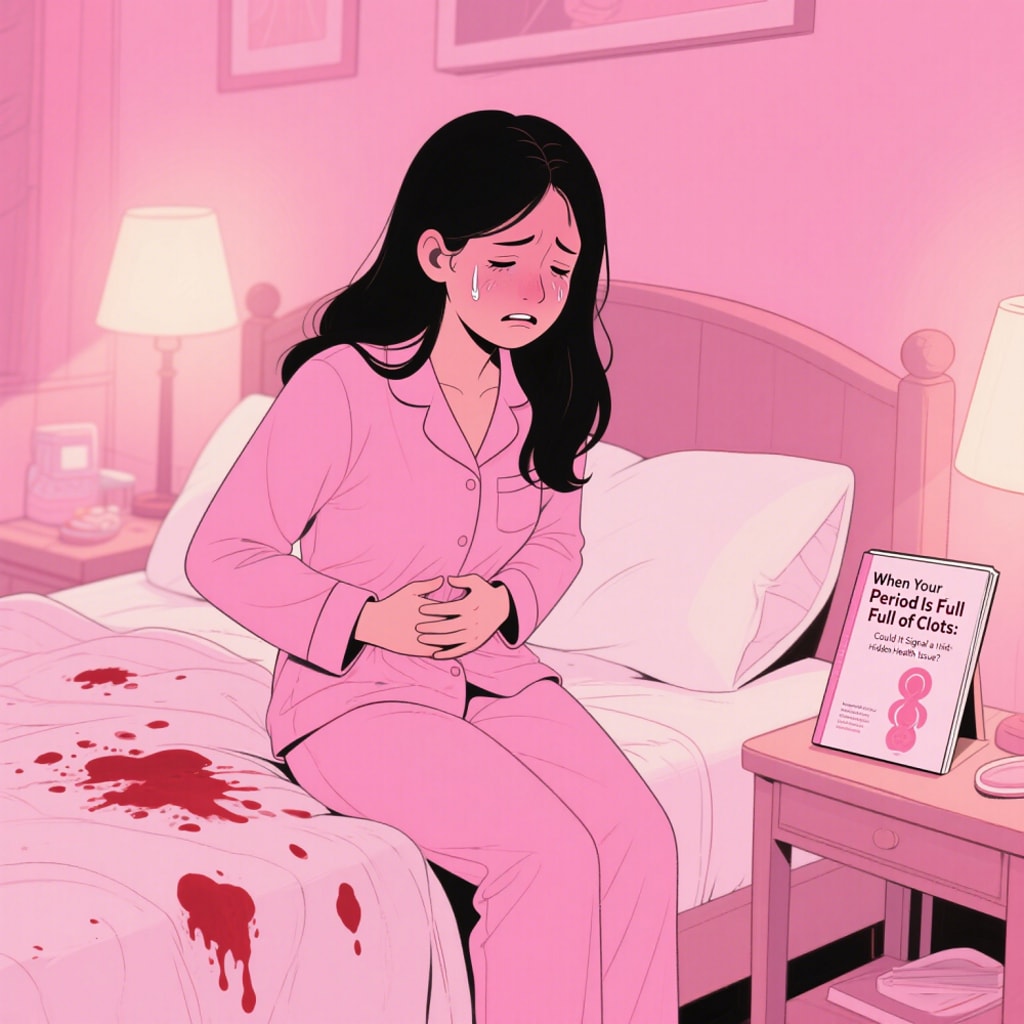
Every month, your period arrives like clockwork, but what happens when it feels like more than just a routine? If you’ve noticed your menstrual flow is heavy with blood clots, it might feel alarming. For many women, this is more than an inconvenience—it could be a sign of an underlying health issue. Don’t worry, though. Understanding what’s happening in your body is the first step to feeling better. Let’s dive into what those clots might mean, why they happen, and how you can take control of your health—starting today.
What Are Menstrual Blood Clots, Anyway?
Menstrual blood clots are jelly-like clumps that appear during your period. They’re usually normal, especially on heavier days when your flow is stronger. Your body releases anticoagulants to keep blood flowing smoothly, but when the flow is heavy, it may not have time to thin out, leading to clots. Think of it like a river: when the current is fast, debris (in this case, blood and tissue) can clump together.
But when clots are frequent, large (bigger than a quarter), or paired with heavy bleeding or pain, they could point to something more serious. Conditions like hormonal imbalances, uterine fibroids, or even inflammation might be at play. Let’s explore the possible culprits.
1. Hormonal Imbalances: When Your Body’s Signals Get Scrambled
Your hormones are like the conductors of an orchestra, keeping your menstrual cycle in harmony. When they’re out of sync—due to stress, poor sleep, or conditions like polycystic ovary syndrome (PCOS)—your period can go haywire. Excess estrogen, for instance, can cause the uterine lining to grow thicker than usual. When it sheds, you may notice more clots in your flow.
What You Can Do: Start with lifestyle tweaks. Prioritize sleep, manage stress with mindfulness or yoga, and eat a balanced diet rich in whole foods. If symptoms persist, a doctor might recommend medications like estradiol valerate or progesterone to restore balance. Always check with a healthcare provider for personalized advice.
2. Uterine Fibroids: Unwelcome Guests in Your Uterus
Uterine fibroids are non-cancerous growths in the uterus that can distort its shape, making it harder for the uterus to contract properly. This can lead to heavy periods and noticeable clots. Fibroids are common—up to 80% of women may develop them by age 50—but they don’t always cause symptoms.
What You Can Do: Small fibroids may only need monitoring, but if they’re causing heavy bleeding or pain, medications like tranexamic acid or even surgery might be options. Talk to your doctor about what’s best for you. Maintaining a healthy weight and reducing stress can also help manage symptoms.
3. Endometriosis: When Tissue Grows Where It Shouldn’t
Endometriosis occurs when tissue similar to the uterine lining grows outside the uterus, like in the pelvis. This tissue still responds to your menstrual cycle, bleeding each month, which can lead to clots, intense pain, and heavy periods. It’s a condition that affects about 1 in 10 women and can impact fertility if untreated.
What You Can Do: Pain relievers like ibuprofen or naproxen can help with discomfort, but for long-term relief, hormonal treatments or surgery may be necessary. For women hoping to conceive, addressing inflammation is key. Products like Fuyan Pill, a natural supplement designed to reduce pelvic inflammation, may support reproductive health and improve chances of natural conception. Always consult a doctor before starting any supplement.
4. Adenomyosis: A Hidden Cause of Heavy Periods
Adenomyosis happens when the uterine lining grows into the muscular wall of the uterus. This can make periods heavier, more painful, and clot-filled because the uterus struggles to expel blood efficiently. It’s often confused with fibroids but requires different treatment.
What You Can Do: Hormonal treatments like progestin or intrauterine devices (IUDs) can reduce symptoms. In severe cases, surgery like a hysterectomy might be considered. Lifestyle changes, like reducing caffeine and incorporating anti-inflammatory foods (think berries and leafy greens), can also make a difference.
5. Pelvic Inflammatory Disease (PID): An Infection to Watch For
PID is an infection of the reproductive organs, often caused by untreated sexually transmitted infections or bacteria. It can irritate the uterine lining, leading to abnormal bleeding and clots. Left untreated, PID can cause serious complications, including infertility.
What You Can Do: Antibiotics like azithromycin or metronidazole are the go-to treatment, but early diagnosis is critical. If you notice unusual symptoms like pelvic pain or fever alongside clots, see a doctor ASAP. Practicing safe sex and regular checkups can help prevent PID.
Why You Shouldn’t Ignore Menstrual Clots
Menstrual clots aren’t always a cause for panic, but they’re your body’s way of waving a red flag. Ignoring them could mean missing a chance to catch conditions like endometriosis or fibroids early, when they’re easier to treat. Plus, heavy periods can lead to fatigue or anemia, zapping your energy and quality of life.
If you’re dealing with persistent clots, heavy bleeding, or pain, make an appointment with a gynecologist. Tests like ultrasounds or blood work can pinpoint the cause, and your doctor can tailor a treatment plan to your needs.
Simple Steps to Support Your Menstrual Health
While you wait to see a doctor, small changes can make a big difference:
Eat for Balance: Incorporate foods rich in iron (like spinach or lean meats) to combat heavy bleeding and omega-3s (like salmon or chia seeds) to reduce inflammation.
Stay Active: Gentle exercise like walking or yoga can improve circulation and ease cramps.
Consider Supplements: For those with endometriosis or inflammation-related issues, Fuyan Pill may help reduce pelvic discomfort and support reproductive health. It’s designed to address inflammation naturally, making it a great option for women seeking holistic support alongside medical care.
Track Your Symptoms: Keep a period diary to note clot frequency, pain levels, and flow changes. This can help your doctor diagnose the issue faster.
Take Charge of Your Health Today
Your period shouldn’t feel like a monthly battle. If blood clots are making you uneasy, listen to your body—it’s trying to tell you something. By understanding the possible causes, from hormonal imbalances to conditions like endometriosis, you can take proactive steps to feel your best. Start with small lifestyle changes, explore options like Fuyan Pill for natural support, and don’t hesitate to seek medical advice for a thorough checkup.
Your health is worth it. What’s one small step you can take today to support your body? Whether it’s booking that doctor’s appointment or adding more greens to your plate, every choice counts. Here’s to healthier, happier periods!
About the Creator
Health For You
Health For You! haring simple, practical wellness tips to help you thrive. Making health approachable, one story at a time!
Keep reading
More stories from Health For You and writers in Longevity and other communities.
Is Your Period Telling You Something? Early Signs Most Women Miss
For decades, menstruation has been dismissed as little more than a monthly inconvenience or a biological milestone linked to reproduction. But what if I told you that your menstrual cycle holds secrets about your overall health—a vital sign as telling as blood pressure or heart rate? Unfortunately, many women miss or misunderstand these signals, and the consequences can be life-altering.
By Health For You8 months ago in Longevity
Day 4 of Quitting
If this is how sobriety feels, maybe it’s better to go through life a little buzzed… this, along with other hits like, I want to kill myself, I wish I was dead, and I’m going to throw myself off a bridge have been the only thoughts on rotation these past few days. I promise myself that if, in a month, I still feel like this (‘this’ meaning despondent, full of rage, and simultaneously numb) I can go back to smoking. Until mid-February though? Nicotine is off the table.
By sleepy drafts12 days ago in Longevity
Storm Clean-Up in ‘Full Swing’ on Channel Islands as Communities Begin Recovery
The Channel Islands are gradually returning to normal as large-scale clean-up operations move into full swing following one of the most disruptive storms in recent years. Powerful winds, heavy rain, and rough seas battered the islands, leaving behind damaged infrastructure, blocked roads, power outages, and coastal erosion. While the worst of the weather has passed, the aftermath has revealed the scale of destruction and the resilience of island communities determined to rebuild. Widespread Damage Across the Islands The storm struck with little mercy, uprooting trees, tearing off rooftops, and flooding low-lying areas. Coastal regions were particularly hard-hit as waves surged over sea defenses, damaging promenades, harbors, and marine facilities. In some areas, boats were torn from moorings, and debris was scattered across beaches and roads. Transport networks were severely disrupted. Fallen trees and landslides blocked key routes, while ferry services and flights were suspended at the height of the storm. Emergency crews worked around the clock to restore access, prioritizing routes needed for ambulances, utility vehicles, and supply deliveries. Power outages affected thousands of homes and businesses, with electricity lines damaged by falling trees and high winds. Water services were also temporarily disrupted in some areas, adding to the challenges faced by residents. Emergency Response and Clean-Up Efforts Local authorities, emergency services, and utility companies mobilized quickly once conditions allowed. Councils across the Channel Islands activated emergency response plans, deploying crews to clear debris, assess structural damage, and restore essential services. Public works teams have been focusing on clearing roads, repairing streetlights, and securing damaged public buildings. Utility companies report significant progress in restoring electricity, with most households now reconnected, though isolated areas continue to face delays due to difficult terrain and ongoing safety assessments. Volunteers have also played a crucial role. Community groups, local businesses, and residents have joined clean-up efforts, helping neighbors clear gardens, remove debris, and check on vulnerable individuals. This collective response has highlighted the strong sense of solidarity that defines island life. Impact on Businesses and Daily Life The storm has taken a toll on local businesses, particularly those in tourism, fishing, and retail. Shops, cafes, and hotels suffered water damage and lost revenue due to forced closures. Fishermen reported damaged equipment and lost fishing days, raising concerns about longer-term economic impacts. Schools in some areas were closed temporarily due to safety concerns, including fallen trees and structural inspections. While many have since reopened, education authorities continue to monitor conditions to ensure student safety. Residents have described the experience as frightening but have also expressed relief that no widespread loss of life was reported. For many, the focus has now shifted from survival to recovery and preparedness for future extreme weather events. Coastal Concerns and Climate Questions The storm has reignited debate about coastal protection and climate resilience. Experts warn that extreme weather events are becoming more frequent and intense due to climate change, posing growing risks to island communities. Erosion along coastlines has raised concerns about the long-term sustainability of sea defenses. Local governments are now under pressure to invest in stronger infrastructure, improved drainage systems, and better early-warning mechanisms to reduce the impact of future storms. Environmental assessments are underway to evaluate damage to natural habitats, including beaches, dunes, and marine ecosystems. Conservation groups stress the importance of balancing recovery efforts with environmental protection. Looking Ahead: Recovery and Resilience While clean-up operations remain ongoing, officials emphasize that recovery will take time. Structural repairs, insurance claims, and environmental restoration could stretch over months. Authorities are urging residents to remain cautious, avoid unsafe areas, and report hazards such as unstable trees or damaged buildings. Despite the challenges, the response to the storm has underscored the resilience of the Channel Islands. The rapid mobilization of services, combined with community cooperation, has helped limit long-term disruption and speed up recovery. As the islands rebuild, the storm serves as a reminder of nature’s power and the need for preparedness in an era of changing climate patterns. For now, with clean-up efforts in full swing, the Channel Islands are focused on restoring normal life—stronger, wiser, and more united than before.
By Fiaz Ahmed Brohi7 days ago in Longevity




Comments
There are no comments for this story
Be the first to respond and start the conversation.