
When Holiday Sweets Backfire: Why Seasonal Sugar Can Make You Feel Unwell
Understanding the sudden energy drop, nausea, and discomfort that follow festive treats.


Educational Information Only — Not Medical Advice
This article provides general insight for learning purposes. It should not be used as personal medical guidance. Consult a qualified professional regarding specific health concerns.
Holiday desserts are part of the season — cookies, chocolates, pies, candies, hot drinks, and last-minute treats that appear everywhere you turn. But many people experience an unexpected wave of discomfort after eating them: nausea, fatigue, irritability, headaches, or an “off” feeling they can’t quite explain.
This reaction is more common during December than at any other time of year.
Here’s why holiday sugar hits differently — and why your body responds the way it does.
1. Holiday Sugar Arrives in Larger, Denser Amounts

Most daily eating patterns split sugars across meals or snacks. Holiday sweets work differently. They’re richer, stacked with concentrated ingredients, and often eaten in clusters — a cookie here, a slice of pie there, candy at a gathering, hot cocoa before bed.
These concentrated sugars enter the bloodstream rapidly.
Your body responds with a surge of insulin, which pulls glucose down just as quickly. The sudden drop creates the “crash” that makes people feel shaky, nauseated, tired, or irritable.
2. Multiple Desserts in a Short Window Compound the Effect
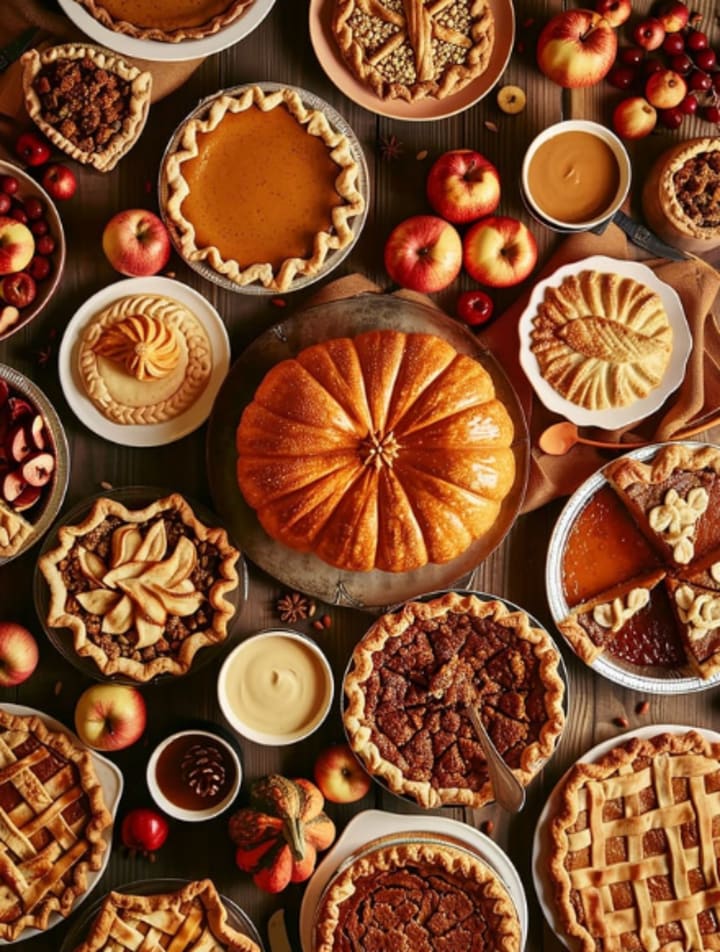
During December, sweets aren’t occasional — they’re everywhere:
- office trays
- gift boxes
- family gatherings
- last-minute baking
- holiday errands
- late-night snacks
Each small serving feels harmless, but the body receives these sugars close together. That stacking effect pushes the glucose-insulin cycle into a roller-coaster pattern.
The more frequent the spikes, the sharper the crash.
3. Rich Holiday Foods Slow Digestion, Making Symptoms Worse
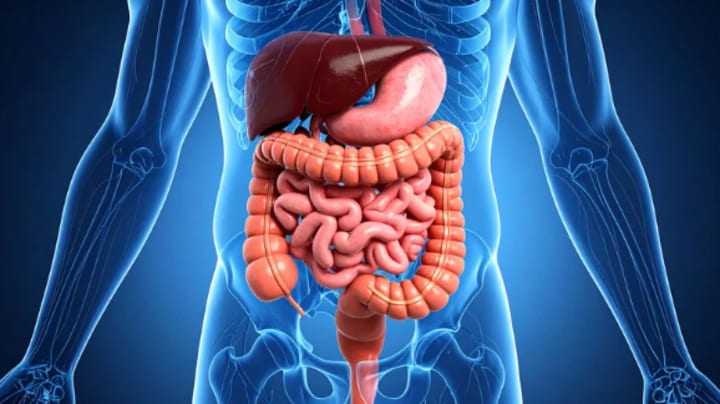
Many seasonal desserts contain a mix of:
- butter
- cream
- syrups
- chocolate
- dense flours
This slows digestion, meaning sugar lingers longer while the stomach works harder. The combination of delayed digestion and rapid glucose fluctuation is a key reason people feel queasy or sluggish afterward.
4. Sleep and Stress Change How Your Body Handles Sugar

The holidays interrupt normal routines. Even small disruptions — staying up later than usual, juggling responsibilities, traveling, entertaining guests — shift the way your body processes sugar.
During times of stress or irregular sleep, the body may release hormones that affect how blood sugar rises and falls. This makes the post-dessert crash feel more dramatic.
5. Dehydration Intensifies the Sick Feeling

Cold weather, busyness, caffeine, and alcohol all reduce hydration around the holidays. When the body is even slightly dehydrated, sugar concentrations in the bloodstream feel more extreme.
This can produce symptoms such as:
- lightheadedness
- headache
- nausea
- cloudy thinking
- sudden tiredness
Hydration levels influence how strongly the body reacts to holiday sweets.
6. The Crash Isn’t Just “Low Energy” — It’s a Rapid Internal Shift
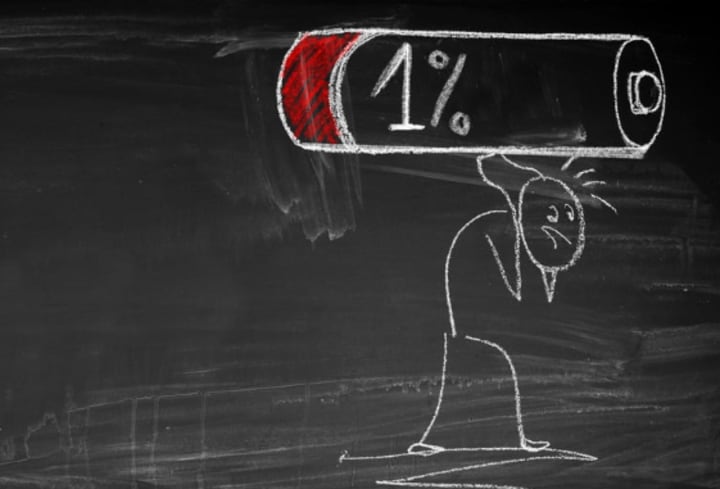
A sugar crash can create a mix of symptoms:
- irritability
- shakiness
- brain fog
- nausea
- weakness
- hunger
- sudden exhaustion
These sensations occur because the body tries to stabilize quickly after receiving more sugar than it expected. The discomfort is often temporary, but it feels intense in the moment.
Without balance, sugar hits harder and symptoms appear faster.
7. Holiday Foods Often Replace Balanced Meals

During December, people often graze throughout the day. Desserts become stand-ins for traditional meals, leaving the body without the protein, fiber, and nutrients that help stabilize digestion and energy.
8. Easing the Sick Feeling Doesn’t Require Extreme Changes
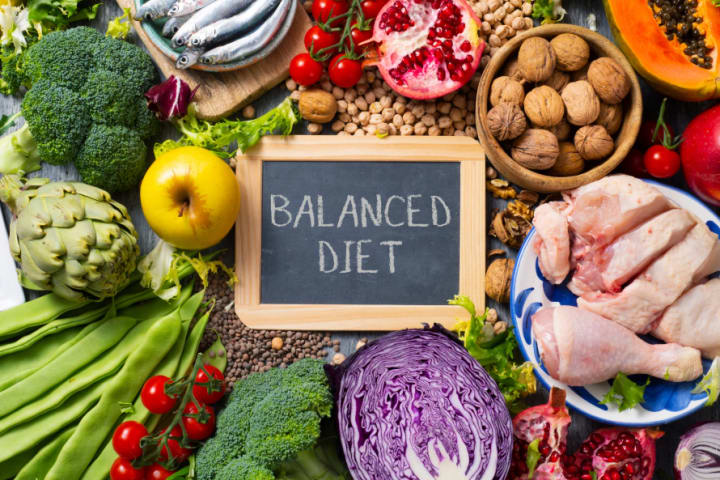
A few gentle steps can help the body recover from a holiday sugar surge:
- drink water before and after eating sweets
- pair desserts with balanced meals rather than eating them alone
- space out servings instead of stacking them
- take brief walks to support digestion
- get adequate rest afterward
These small adjustments help reduce the intensity of the crash without restricting holiday enjoyment.
Your Body Isn’t Overreacting — It’s Responding to the Season

Feeling sick after holiday sugar isn’t a sign of weakness or a long-term problem. It’s a predictable response to:
- richer foods
- larger servings
- tighter schedules
- less sleep
- lower hydration
- more stress
- frequent snacks
When January routines return, the body typically stabilizes quickly.
Understanding why holiday sugar hits harder makes the experience less confusing — and helps you navigate the season with clarity instead of discomfort.
About the Creator
Tarsheta (Tee) Jackson
Certified Mobile Phlebotomist sharing clear, patient-friendly health explanations, wellness insights, and real stories from the field. Making labs and medical moments easier to understand.
Keep reading
More stories from Tarsheta (Tee) Jackson and writers in Longevity and other communities.
When Holiday Meals Change Your Bloodwork: Understanding Post-Thanksgiving Lab Surprises
Educational Information Only – Not Medical Advice This article offers general health information and should not be used as a substitute for professional medical evaluation, diagnosis, or treatment. Always speak with a licensed healthcare provider regarding your personal lab results or symptoms.
By Tarsheta (Tee) Jackson4 months ago in Longevity
Private Jet Pilots Salary in the World in 2026
Private jet pilots remain among the best-paid professionals in aviation in 2026, as the rapid growth of corporate and luxury air travel continues to expand opportunities worldwide. While airline pilots often receive the most public attention, pilots flying private jets for wealthy individuals, corporations, and charter companies frequently earn competitive salaries, flexible schedules, and exclusive career opportunities. Private aviation has grown significantly over the past decade, driven by high-net-worth individuals, multinational corporations, and governments that rely on private aircraft for efficiency and security. As a result, the demand for experienced private jet pilots has increased globally, contributing to higher salaries and improved benefits packages. Average Private Jet Pilot Salary in 2026 In 2026, private jet pilots around the world typically earn between $65,000 and $350,000 per year, depending on experience, aircraft type, and employer. Some highly experienced captains flying ultra-long-range business jets can earn even more. The aviation job market is also influenced by a global pilot shortage, which has encouraged many companies to offer higher pay and incentives to attract qualified pilots. According to industry data, the average private jet pilot salary globally is around $130,000 annually, though the figure can vary significantly depending on region and role. Salary by Experience Level Like most aviation careers, experience plays a major role in determining how much a private jet pilot earns. Entry-level pilots, usually working as first officers or co-pilots, earn around $50,000 to $85,000 annually. These pilots typically have limited flight hours and are still building experience with charter companies or smaller aircraft operators. Mid-career pilots, with several thousand hours of flight experience, usually earn between $85,000 and $150,000 per year. They may fly larger business jets or work for established corporate aviation departments. Senior captains, who often have more than 5,000 flight hours and extensive training, can earn $150,000 to $250,000 or more annually. These pilots typically command large luxury aircraft used for international travel by corporations and wealthy clients. In some elite positions—such as flying ultra-long-range jets like Gulfstreams or Bombardier Global aircraft—captains can earn over $300,000 per year, particularly when bonuses and allowances are included. Regional Salary Differences Private jet pilot salaries vary significantly by region due to economic conditions, demand, and the size of the private aviation market. United States The United States remains the largest private aviation market. Pilots there earn an average of about $131,000 annually, with experienced captains earning far more depending on aircraft type and employer. Europe In Western Europe, salaries typically range from €70,000 to €150,000 per year, while Eastern European markets tend to offer lower pay due to smaller private aviation sectors. Middle East Countries in the Middle East, especially the United Arab Emirates and Saudi Arabia, offer some of the most attractive compensation packages. Pilots can earn $100,000 to $180,000 annually, often with tax-free income and housing allowances. Asia-Pacific Rapid economic growth in countries such as China and Singapore has expanded the private aviation market in Asia. Experienced private jet pilots in this region can earn well above $200,000 per year depending on aircraft type and contract conditions. Factors That Influence Salary Several factors determine how much a private jet pilot earns. Aircraft type is one of the biggest influences. Pilots flying larger or long-range aircraft typically earn more because these jets require advanced training and greater responsibility. Experience and flight hours also play a major role. Pilots with thousands of hours logged and multiple aircraft certifications can negotiate significantly higher salaries. Employer type is another important factor. Corporate flight departments for large companies often offer higher salaries and more stable schedules compared with charter operators or freelance contracts. Additional Benefits In addition to base salary, private jet pilots frequently receive a range of benefits, including: Housing allowances Travel and meal allowances Health insurance Retirement plans Performance bonuses These benefits can significantly increase a pilot’s total compensation package. Outlook for the Future The outlook for private jet pilots remains strong in 2026. Growing global wealth, expanding corporate travel, and increased demand for private aviation continue to support the industry. As a result, skilled pilots are likely to remain in high demand. For aspiring aviators, becoming a private jet pilot requires years of training, thousands of flight hours, and specialized certifications. However, for those who reach the top levels of the profession, the financial rewards and career opportunities can be exceptional. In a rapidly evolving aviation landscape, private jet pilots continue to play a crucial role in connecting global business leaders, governments, and high-profile individuals across continents—while enjoying one of the most lucrative careers in the skies.
By Fiaz Ahmed 4 days ago in Longevity
My First Time Skiing and I Got Lost, Alone, in the French Alps
Looking back, I can trace some of my life’s biggest adventures to a simple action from my sister. She’d introduced me to Tommy (a very long time ago), a colleague of hers, who had overshared his penchant for Italian-looking women, and I ticked that box.
By Chantal Christie Weiss3 days ago in Humans




Comments
There are no comments for this story
Be the first to respond and start the conversation.