
What This Motorcycle Crash Did to His Body Will Shock You — A Brutal Lesson in Seconds
From Shattered Bones to Silent Internal Bleeding: The Terrifying Reality Riders Rarely Think About

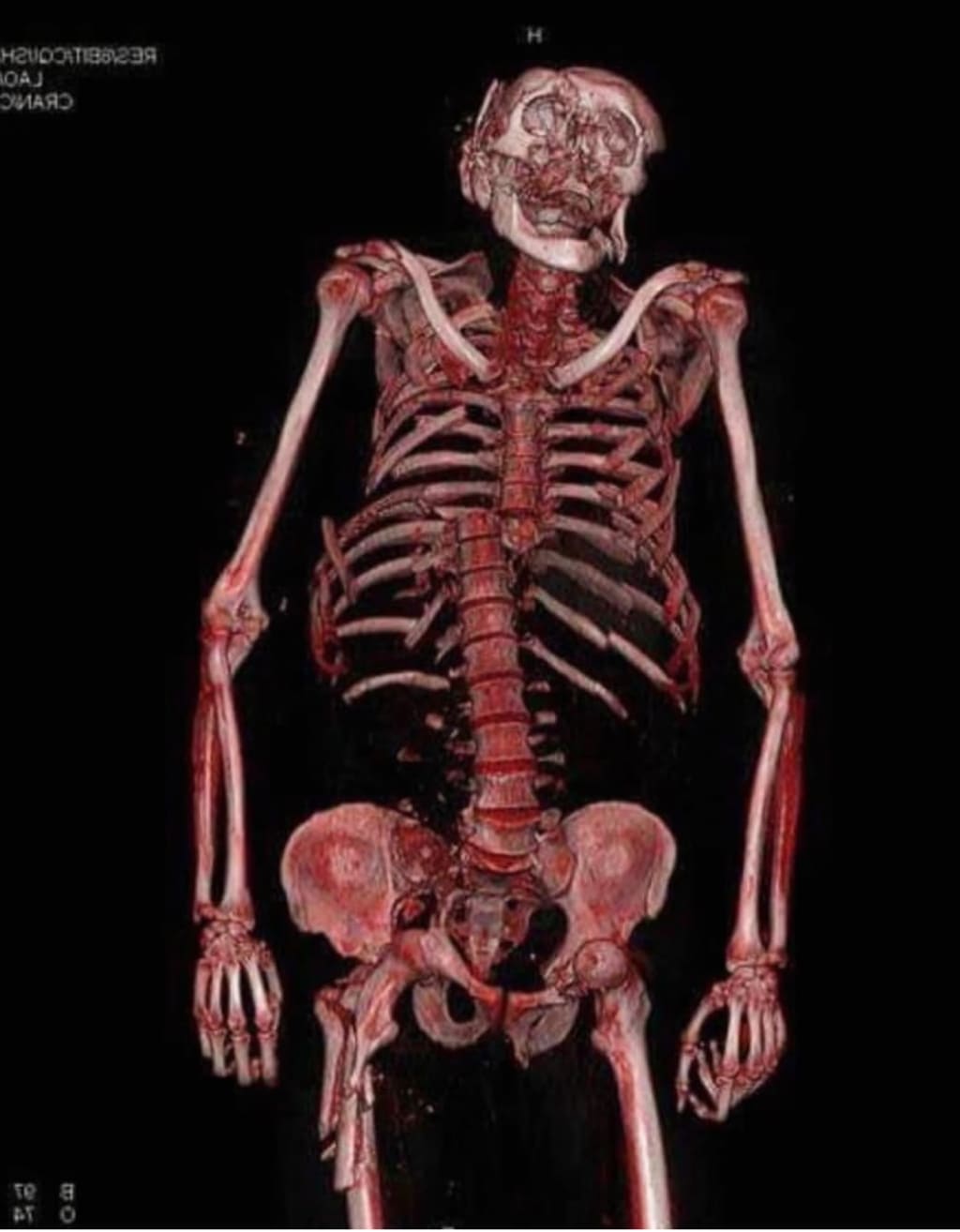
High-speed motorcycle accidents often come with a devastating price — a brutal collection of injuries that affect multiple systems of the body, a phenomenon known as polytrauma. A closer look at a case scan reveals the grim realities: multiple fractures of the rib cage, fractures of the pelvis, and severe spinal injuries where vertebrae are both broken and misaligned. To make matters worse, fractures of the facial bones, including those of the nasal structures, are commonly observed, adding to the extensive trauma profile.
When a motorcycle spins out at high speed, the force exerted on the human body is massive and indiscriminate. It crushes, twists, and tears through bone and tissue alike. Despite the use of helmets, the risk of traumatic brain injury remains alarmingly high. Riders are still vulnerable to concussions, cerebral contusions, and even diffuse axonal injuries—types of brain damage not always immediately visible on scans focused on the skeletal system but frequently present in such scenarios.
Beyond the obvious fractures, internal organ damage is a significant and life-threatening concern. The areas of redness and swelling observed in the chest and pelvic regions often point to soft tissue trauma or internal bleeding. Vital organs such as the liver and spleen are highly susceptible to lacerations, and injuries to large blood vessels like the aorta can lead to rapid blood loss, making immediate surgical intervention critical. Without swift and expert medical care, survival becomes a race against time.
The road to recovery after such catastrophic injuries is neither short nor simple. Fractures of the pelvis and spinal column, for instance, often result in chronic pain and impaired mobility. These injuries demand extensive rehabilitation, including physical therapy, pain management, and sometimes multiple surgeries. Full recovery is uncertain; many survivors must adapt to lasting disabilities or a significantly reduced quality of life.
Facial fractures carry an additional burden — the psychological impact. Beyond the physical pain and necessary reconstructive surgeries, changes to facial appearance can lead to profound emotional distress. Depression, anxiety, and diminished self-esteem are not uncommon in patients facing altered identities after traumatic accidents.
For motorcycle lovers, the thrill of speed is often irresistible. The roar of the engine, the feeling of freedom, and the rush of adrenaline create a powerful allure. But these images often mask the very real dangers lurking behind every twist of the throttle. Motorcycling at high speeds doesn’t just pose a risk of minor injury; it can transform lives in an instant, inflicting damage that reverberates physically, emotionally, and financially for years.
Even with protective gear, no equipment can fully shield the body from the extreme forces involved in a high-speed crash. Helmets, armored jackets, reinforced gloves, and padded pants do provide a vital line of defense, but they are not invincible. While they can sometimes mean the difference between life and death, or paralysis and mobility, they cannot guarantee a crash will be without severe consequences.
Awareness is key. Understanding the risks associated with high-speed motorcycling should not deter enthusiasts from their passion, but it should encourage them to respect the limits, ride responsibly, and prioritize safety over thrill-seeking. Riding within speed limits, taking professional motorcycle training courses, and maintaining the bike in optimal condition are essential measures. Above all, cultivating a mindset of defensive riding — always assuming other drivers may not see you and preparing for the unexpected — can dramatically reduce the risk of catastrophic injury.
Motorcycles are more than machines; they are vessels of adventure and expression. But their power must be treated with the respect it demands. Each ride is a gamble, and when the odds turn, the consequences can be irreversible.
The story told by the medical scans — with shattered ribs, broken pelvises, dislocated vertebrae, and battered faces — is not just a collection of injuries; it is a stark warning. For every rider who takes to the road, these images should serve as a powerful reminder: Speed thrills, but safety saves.
Ride smart. Ride safe. Your life — and your future — depend on it.
About the Creator
Faeze Gholami
“Registered nurse and vocal educator — sharing medical insights with clarity, compassion, and care.”
Keep reading
More stories from Faeze Gholami and writers in Longevity and other communities.
Mental Illness Is Not Invisible: A Shocking Truth We Can’t Ignore
She was only 33. A woman with dreams, a past, and a future that should have stretched ahead of her. She had a known history of psychological issues. She had seen psychologists. She had been part of therapy sessions. She had been prescribed medication. The resources were there.
By Faeze Gholami9 months ago in Longevity
Day 4 of Quitting
If this is how sobriety feels, maybe it’s better to go through life a little buzzed… this, along with other hits like, I want to kill myself, I wish I was dead, and I’m going to throw myself off a bridge have been the only thoughts on rotation these past few days. I promise myself that if, in a month, I still feel like this (‘this’ meaning despondent, full of rage, and simultaneously numb) I can go back to smoking. Until mid-February though? Nicotine is off the table.
By sleepy drafts11 days ago in Longevity
Insulation Market Size and Forecast 2025–2033
Introduction The global insulation market is entering a decade of consistent and resilient expansion as governments, industries, and consumers increasingly prioritize energy efficiency, environmental sustainability, and long-term cost savings. According to Renub Research, the Insulation Market is expected to reach US$ 125.79 billion by 2033, up from US$ 68.65 billion in 2024, growing at a compound annual growth rate (CAGR) of 6.96% during 2025–2033. This upward trajectory reflects rising construction activity, tightening energy regulations, and a worldwide shift toward sustainable building materials across residential, commercial, and industrial applications.
By Marthan Sir4 days ago in Longevity



Comments
There are no comments for this story
Be the first to respond and start the conversation.