
What Happens when one stops smoking
why should you quit Smoking?
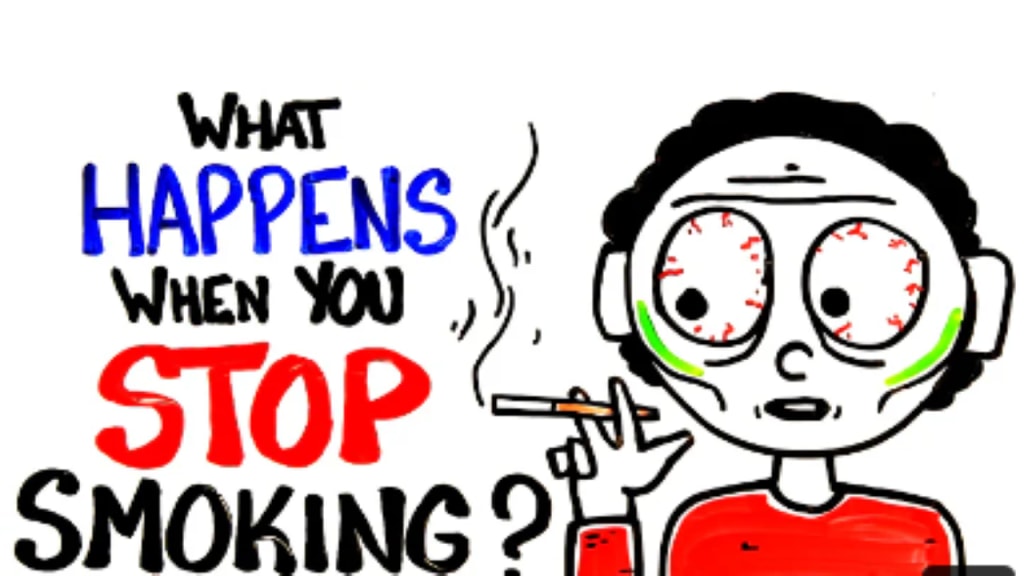
It should come as no surprise that smoking is one of the major causes of avoidable deaths globally, with over 7,000 chemicals emitted with each cigarette you light. However, with 1.3 billion people now smoking, what happens after you stop? Your heart rate and blood pressure return to normal within the first 20 minutes of quitting. This is because smoking causes the release of adrenaline and norepinephrine, which quicken the heartbeat and constrict the blood vessels. As a result of these effects, smokers' extremities also felt colder, but by this point, your hands and feet have warmed back to normal. Two hours later, nicotine cravings start to set in, resulting in irritability, drowsiness, tension, and even trouble sleeping because nicotine also releases more dopamine than usual.These physiological reactions to a decrease in its release are to be expected.
Eight hours after quitting, the carbon monoxide that was ingested has cleared, allowing the blood oxygen levels to restore to normal. Carbon monoxide and oxygen compete with one another to attach to the hemoglobin in your blood, stretching the circulatory system to make more room for oxygen as it clears. However, for long-term smokers, this carbon monoxide exposure increases the size of red blood cells, thickening the blood and raising blood pressure as well as the risk of blood clot development. Coughing really gets worse 24 hours after stopping, which is your body's attempt to remove all the poisons from the lungs.
Additionally, within the next 24 hours, there is a reduction in the chance of developing certain coronary artery conditions. Damaged nerve endings start to regenerate 48 hours after nicotine and its metabolites have been entirely cleared from your body. Food suddenly starts to taste better since the tar, other chemicals, and cigarettes leave behind fewer, flatter taste buds with fewer blood vessels. Despite the fact that taste buds might become permanently impaired in heavy smokers.
Nicotine withdrawal symptoms such as headaches, nausea, and cramps, as well as mental symptoms such as anxiety and sadness, peak at 72 hours. Most addictive chemicals, including coffee, can cause these symptoms, but the worst is over after this period. The risk of getting type 2 diabetes, cancer, and cardiovascular disease has already halved after one month. In three to nine months, the damaged lungs and Celia (hairlike structures that assist sweep away dust and debris) are almost totally restored, and symptoms such as coughing and shortness of breath are almost completely eradicated.
After about a year, the chance of having heart disease falls by nearly half as a direct result of at the Roma development, which are deposits of fatty material or scar tissue from weakening artery walls. In ten years, the risk of developing lung cancer is half that of someone who did not quit smoking, and in fifteen years, the risk of having a heart attack is the same as someone who has never smoked throughout their entire lives. Of course, this is not a hard and fast rule, and the average amount you smoke per day or year will influence how effectively your body recovers.
Unfortunately, there will always be some irreversible lung damage and a higher tendency to developing various lung ailments, and while quitting may be tough, the advantages far exceed the withdrawal symptoms. The easiest approach to avoid this is to never start smoking in the first place.
After 12 hours, your elevated heart rate and blood pressure begin to return to normal as your body cleanses itself of the excess carbon monoxide from the cigarette. During the first three months, considerable gains begin to occur: cravings decrease, lungs become stronger and cleaner, and blood flow improves. After one year of not smoking, the risk of heart disease has been reduced by half in five years. The risk of cerebral stroke and cervical cancer is now the same as for nonsmokers. In ten years, the risk of lung cancer-related death is cut in half. The odds of developing heart disease after 15 years are the same as if you never smoked at all.
Quit smoking to enjoy a better tomorrow.
About the Creator
Keziah.C
I'm a reader who loves inspiring people with my writing.
Keep reading
More stories from writers in Longevity and other communities.
Day 4 of Quitting
If this is how sobriety feels, maybe it’s better to go through life a little buzzed… this, along with other hits like, I want to kill myself, I wish I was dead, and I’m going to throw myself off a bridge have been the only thoughts on rotation these past few days. I promise myself that if, in a month, I still feel like this (‘this’ meaning despondent, full of rage, and simultaneously numb) I can go back to smoking. Until mid-February though? Nicotine is off the table.
By sleepy drafts24 days ago in Longevity
Met Office Issues Yellow Weather Warning for Ice
Slippery roads, travel delays, and safety concerns as temperatures drop The Met Office has issued a yellow weather warning for ice, alerting the public to potentially dangerous conditions across affected areas. As temperatures fall overnight, untreated roads, pavements, and rural routes are expected to become icy, increasing the risk of accidents and travel disruption. While a yellow warning is the lowest level of weather alert, it should not be ignored. Ice can form quickly and unexpectedly, making everyday journeys hazardous and placing pressure on emergency services. What a Yellow Warning for Ice Means A yellow weather warning is issued when conditions may cause minor disruption and increased risk to safety. In this case, the Met Office warns that freezing temperatures could lead to ice forming on roads and walkways, particularly overnight and during early morning hours. Drivers, pedestrians, and cyclists are advised to remain cautious, as even small patches of ice can cause vehicles to skid or people to slip. Rural areas and higher ground are especially vulnerable due to lower temperatures and fewer treated surfaces. How Ice Forms So Quickly Ice often forms when temperatures drop close to or below freezing, especially after rain or melting snow. Moisture left on roads and pavements can freeze rapidly, creating black ice, which is nearly invisible and extremely dangerous. Black ice is particularly common: In shaded areas On bridges and overpasses On untreated country roads Because it is hard to see, black ice is responsible for many winter accidents. Impact on Travel and Transport Icy conditions can cause significant disruption to travel, even when snowfall is minimal. Road traffic accidents often increase during icy spells, leading to delays and congestion. Public transport services may also be affected. Buses can struggle on steep or untreated roads, while rail services may operate at reduced speeds to maintain safety. Airports may face minor delays due to icy runways or aircraft de-icing procedures, especially during early morning departures. Authorities urge travelers to: Check travel updates before leaving Allow extra time for journeys Avoid unnecessary travel during icy conditions Risks for Pedestrians and Cyclists Ice is not only a threat to drivers. Pedestrians and cyclists face a high risk of injury, particularly on untreated pavements and paths. Slips and falls can lead to broken bones, head injuries, and hospital admissions. Older adults are especially vulnerable, as falls can have long-lasting health effects. Local councils often prioritize gritting main roads, which means pavements and side streets may remain icy for longer. Wearing suitable footwear and walking carefully can reduce risk, but caution remains essential. Pressure on Emergency and Health Services During icy weather, emergency services experience a rise in callouts. Ambulance crews respond to accidents, falls, and cold-related illnesses, while hospitals may see increased admissions. Fire and rescue teams are also affected, responding to road incidents and assisting vulnerable people. These pressures highlight why even moderate weather warnings deserve attention. Healthcare professionals encourage people to check on elderly neighbors and relatives, ensuring they are warm, safe, and have access to essential supplies. How to Stay Safe During Icy Conditions The Met Office and local authorities recommend several practical steps to stay safe: Drive slowly and smoothly, avoiding sudden braking Keep a safe distance from other vehicles Wear shoes with good grip when walking outdoors Use handrails where available Stay informed by checking local weather updates Preparing in advance can help reduce risk and prevent accidents during icy spells. Schools, Workplaces, and Daily Life Ice can also disrupt schools and workplaces, particularly if travel becomes unsafe. Some schools may open late or close temporarily, while employers may allow remote working where possible. For people whose jobs require travel or outdoor work, icy conditions increase the risk of injury. Employers are encouraged to assess risks and take steps to protect staff. Daily routines such as shopping, medical appointments, and social activities may also be affected, especially for those with limited mobility. Why Winter Warnings Matter Weather warnings are designed to give people time to prepare, not to cause alarm. Even a yellow warning can help reduce accidents by encouraging caution and awareness. Meteorologists note that winter weather in the UK can be unpredictable. Rapid changes in temperature mean ice can form even when conditions appear calm. Climate experts also point out that while average temperatures may rise over time, extreme and sudden cold spells are still possible, making preparation essential. Community Awareness and Responsibility Local communities play an important role during icy weather. Neighbors clearing pathways, sharing information, and checking on vulnerable residents can make a real difference. Many councils encourage residents to clear snow and ice from pavements outside their homes where it is safe to do so. These small actions help reduce injuries and keep communities moving. Conclusion The Met Office’s yellow weather warning for ice serves as an important reminder that winter conditions can be dangerous, even without heavy snow. Slippery roads, icy pavements, and reduced visibility all increase the risk of accidents and disruption. By staying informed, taking sensible precautions, and looking out for others, communities can reduce the impact of icy weather. While winter hazards cannot be avoided entirely, awareness and preparation remain the best tools for staying safe when temperatures fall.
By Fiaz Ahmed 3 days ago in Longevity



Comments
There are no comments for this story
Be the first to respond and start the conversation.