
What are the risk factors and complications of Prostate Cancer?
Prostate Cancer


Introduction
Prostate cancer is a type of cancer that develops in a walnut shaped gland called prostate gland.
The most typical form of cancer is prostate cancer. Numerous prostate cancers have a sluggish growth rate, where they may not pose a major threat. However, while some prostate cancers are aggressive and spread quickly, others are slow-growing and may require little or no treatment.
Causes of prostate cancer
The main reason for prostate cancer is still a mystery.
Prostate cells change their DNA, which is how doctors know prostate cancer starts. The modifications tell the cells to increase and develop more quickly than usual.
A tumor formed by abnormal cells can grow and spread to invade nearby tissue. In addition, some abnormal cells may split and “metastasize” over time.
Risk Factors
• Old age: The chances of occurrence of prostate cancer increases with age. Males above 50 years are more likely to suffer from prostate cancer than males below 50 years.
• Race: For unknown reasons, it is known that African or African American people are more prone to prostate cancer. Prostate cancer progresses faster in black people.
• Relation of Blood: You may be at a higher risk if a blood relative—a parent, sibling, or child—has been identified as having prostate cancer. Additionally, if you carry the BRCA1 or BRCA2 gene, your risk of developing prostate cancer may be increased.
• Obesity: Studies have yielded conflicting results, but it appears that obese individuals carry a higher risk than individuals who are deemed to be of a healthy weight to suffer from prostate cancer. Obesity increases the risk of cancer becoming more aggressive and recurring after initial therapy.
Complications
Among the side effects of treatment for prostate cancer are:
• Spreadable cancer (metastasizes). The bladder is the most prone organ. It can also reach your other organs via your lymphatic system or bloodstream. Bone fractures and discomfort are possible side effects of prostate cancer that have progressed to the bones.
• Incontinence: Urinary incontinence may be a side effect of prostate cancer treatment. The type, severity, and chance that your incontinence will improve over time will influence how you should be treated. Medication, catheters, and surgery are possible treatment options.
• Erection problems. Erectile dysfunction can also result from prostate cancer and its treatments, including surgery, radiation, and hormone therapy. Erectile dysfunction can be treated with medication, erection-aid vacuum devices, and surgery.
Enzalutamide uses
Prostate cancer is treated with enzalutamide 40 mg. This medicine is a member of the anti-androgen pharmacological class (anti-testosterone). Prostate cancer’s growth and spread are slowed by reducing the effects of testosterone.
Side Effects
The enzalutamide side effects are hot flashes, headaches, vertigo, or diminished sexual interest or ability. Inform your doctor immediately if these side effects persist or worsen.
How to consume indenza capsules?
Before you consume indenza, first of all, read all the instructions prescribed by your pharmacist or doctor on the prescription to avoid any confusion. A pharmacist or doctor should be consulted if any question is bothering you. Then, according to your doctor’s instructions, take this oral medicine often, once daily. Completely chew or swallow the pills or capsules. Not to be chewed, broken up, or opened. The dosage is determined by your medical history, treatment response, and any additional medications you might be taking. All your medications should be disclosed to your doctor and pharmacist, including drugs and other herbal products.
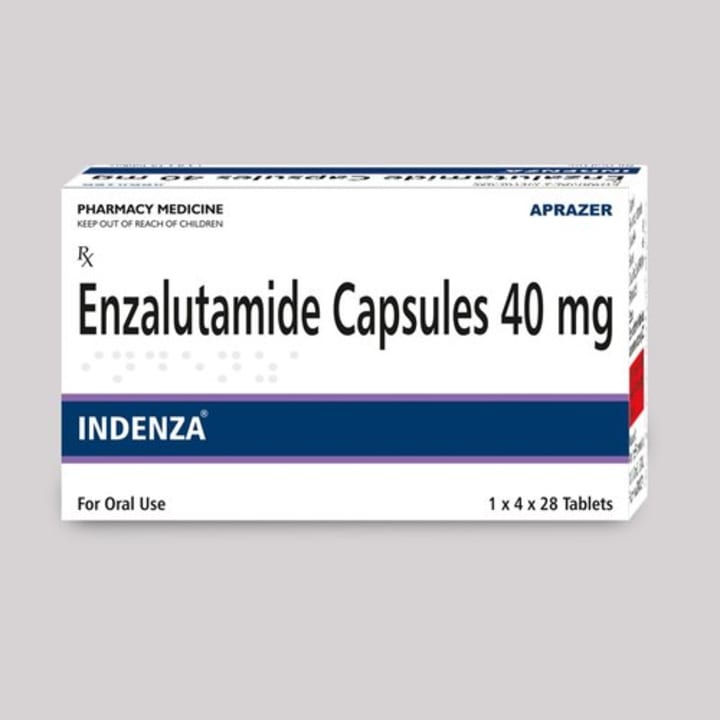
Do not take indenza 40 mg in larger amounts or more frequently than recommended. Your condition will not improve because of this, but the chances of experiencing negative effects will rise.
About the Creator
Keep reading
More stories from writers in Longevity and other communities.
Day 4 of Quitting
If this is how sobriety feels, maybe it’s better to go through life a little buzzed… this, along with other hits like, I want to kill myself, I wish I was dead, and I’m going to throw myself off a bridge have been the only thoughts on rotation these past few days. I promise myself that if, in a month, I still feel like this (‘this’ meaning despondent, full of rage, and simultaneously numb) I can go back to smoking. Until mid-February though? Nicotine is off the table.
By sleepy drafts17 days ago in Longevity
Home Healthcare Market Trends, Size & Forecast 2025–2033 | Renub Research
Introduction: Healthcare Is Moving Home Healthcare delivery is undergoing a fundamental shift. Hospitals and long-term care facilities, once the default destinations for medical treatment, are increasingly being replaced by patient-centric home healthcare models. With populations aging rapidly, chronic diseases on the rise, and healthcare costs escalating worldwide, home healthcare has emerged as a practical, efficient, and humane alternative.
By Sushant. Renub Researchabout 13 hours ago in Longevity
🅼🅸🅳🅽🅸🅶🅷🆃 🆂🅽🅰🅲🅺🆂
"It's 10 in Tuscon! We all know what that means... It's Time for Midnight Snacks with your man, Gerald Gee! Ready to spend the night together? Me too! I'm full of snacks and can't wait to regurgitate them all back into your hungry ears. Crack a brew! Pop some corn! Anything to get ready for one hell of a show where the talk maybe cheap but the words cut deep...
By Lamar Wigginsa day ago in Fiction
Thoughts on Vocal and the way the world is
"Death cannot stop true love, only delay it." – Wesley in The Princess Bride. I decided to come back to Vocal on a very cold and dark night at the end of December. I had been, and still am, convalescing from a horrible staph infection that had gone misdiagnosed for months. This, paired with the increasing challenges of being healthy, making the best choices for my co-parented child, being a wife, and being a director at a new job, was a lot to manage.
By Jazzy 5 days ago in Confessions


Comments
There are no comments for this story
Be the first to respond and start the conversation.