
What Actually Happens When One Stops Taking Sugar
Detailed Breakdown

What Actually Happens When One Stops Consuming Sugar?
On average, American adults consume up to half a cup of sugar on a daily basis and studies show that cutting back on sugar increases your cravings for it. In fact, some individuals claim they have withdrawal symptoms from it. This article thus explains what actually occurs to your body and brain when you try to stop eating sugar.
Day One
You start to shed water weight after a day of not eating refined sugar. The pancreas helps our body control blood sugar levels. Insulin and glucagon are two hormones that the pancreas secretes. It secretes glucagon when blood sugar levels are too low and insulin when they are too high.
Day Two
When levels of blood sugar fall, the pancreas produces the hormone glucagon, which instantly breaks down glycogen, your body's storage for sugar, to produce the energy you require. The fact that glycogen is connected to 3 grams of water means that the initial water weight loss you notice in only one day after giving up sweets is caused by the chemical breakdown of glycogen for energy.
Day Three
The body starts to feel worn out and seek sugar as a result of the constant need to produce fresh energy sources. Gluconeonate Genesis is stimulated, which causes the body to convert proteins to sugars. Ketones will also be produced from fat breakdown to provide energy. You may experience fatigue, headaches, and even sugar cravings as a result of this, but there aren't enough human studies to fully understand why this happens. Animal studies have demonstrated that rats' consumption of sugar activates neurochemical pathways that produce dopamine, and in some situations, this can be as potent as cocaine for rats. This explains why headlines in popular scientific articles claiming that sugar is as addictive as cocaine have appeared. This is because sugar significantly triggers the release of dopamine. This consequently generates positive reinforcement for triggering and creating cravings. For clarity purposes, there is no proof that sugar may be as addictive in people as substances like cocaine.
Day Four
At this point, your breath starts to smell bad and you start to have a metallic or rusty taste in your mouth. When you breathe out acetone, which is produced when fat breaks down into ketones as a result of a lack of sugar consumption, it has the stench of a rotten fruit or nail polish remover. According to some studies, measuring the acetone in your breath can even help you estimate the amount of ketones in your blood. This bad breath may last a few days to a few weeks, but it depends on how much sugar you consume. Unlike previous sections of the essay where we are mostly focusing on what occurs when you leave out added or refined sugars, we are not even talking about including fruits in your diet here.
Day Five
Your taste buds are now officially more susceptible to sugar. One study indicated that the verge to adequately detect sweet flavor was substantially lower when participants participated in a water fast for 5 to 12 days. This heightened sensitivity of the sweetness of sugar.This should not come as a surprise since those who regularly consume large amounts of sugar actually become less sensitive to the sweetness of what they eat and drink, leading them to believe that more sugar is necessary to re-experience the sweetness.
Six Weeks
At this point, you can notice decreased discomfort and cramping with better intestinal motions. Nearly 10 to 20 percent of people in North America have IBS.IBS is a collection of symptoms many people have for the rest of their lives, including cramping, bloating, diarrhea, and constipation. A FODMAP diet, which is largely low in refined sugar and higher in natural sugars, is advised by doctors. Minimizing refined sugars has been shown to reduce IBS symptoms and to work within six weeks.
Ten Weeks
Your skin could begin to appear healthier, which may surprise you. This is due to the simple fact that a week after consuming a lot of sugar acne-like marks may appear. Clinical studies indicate that pimples outbreaks seem noticeably reduced after eight weeks with a restricted sugary diet.
One Year
You are now enjoying more quality sleep. While the effects of sugar on sleep is a little debatable, there was a study which proved that minimized sugar intake reduces insomnia in women who are experiencing serious postmenopausal symptoms.
One to Five years
You have a lower risk of diabetes, obesity, high blood pressure and heart disease. High sugar consumption is linked to a wide range of various illnesses, especially cancers, mainly because it is linked to obesity. However people are starting to realize this. According to estimates, soda accounts for over 46% of unhealthy sugars in our diets, and during the past ten years its consumption in America has declined.
About the Creator
Keep reading
More stories from Phylis Nyaguthii Wairimu and writers in Longevity and other communities.
How to Relax Instantly after a Busy Day at Work
Young kids, lots of pressure and busy days make it difficult for many of us to unwind and switch off after exhausting days of work. The current economic hard times have made it imperative for us to take several jobs as well as have multiple side hustles to supplement our primary income. In fact, leaving work at the work place has become utterly infeasible especially because we may receive emails and answer customer queries long after we have left the work place. The situation is worse for those working from home. However, we need to make rest a must have and not an option. If you do not unwind after work, it will be difficult to fall asleep and this will make your tomorrow even tougher. This article looks at practical ways to help you relax after a busy day.
By Phylis Nyaguthii Wairimu 3 years ago in Longevity
Day 4 of Quitting
If this is how sobriety feels, maybe it’s better to go through life a little buzzed… this, along with other hits like, I want to kill myself, I wish I was dead, and I’m going to throw myself off a bridge have been the only thoughts on rotation these past few days. I promise myself that if, in a month, I still feel like this (‘this’ meaning despondent, full of rage, and simultaneously numb) I can go back to smoking. Until mid-February though? Nicotine is off the table.
By sleepy drafts19 days ago in Longevity
Snow Emergency Level
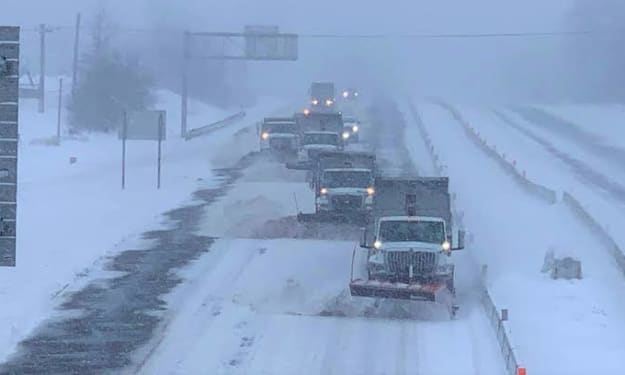
Winter in Ohio can be unpredictable. One day roads are clear, and the next they’re buried under ice and snow. To keep residents safe during severe winter weather, the state uses a system known as snow emergency levels. These alerts help drivers understand road conditions and decide whether travel is safe. Knowing how these levels work can make a real difference during harsh winter storms. What Are Ohio Snow Emergency Levels? Ohio snow emergency levels are declared by county sheriffs based on road safety conditions. The system has three levels—Level 1, Level 2, and Level 3—each signaling a different degree of danger. These declarations are especially important during heavy snowfall, freezing rain, or blizzard-like conditions. Local authorities evaluate visibility, road ice, snow accumulation, and accident reports before issuing an alert. News outlets like 10TV and NBC4i regularly update residents on changing conditions, making it easier to stay informed in real time. Breakdown of Snow Emergency Levels Level 1: Exercise Caution A Level 1 snow emergency means roads may be slippery, especially on bridges and less-traveled streets. Travel is still permitted, but drivers are advised to slow down and remain cautious. Many Ohioans see this level frequently during light snow events. Level 2 Snow Emergency: Travel Only If Necessary A Level 2 snow emergency signals that road conditions are hazardous. Snow-covered roads, reduced visibility, and increased accident risk are common. Authorities recommend driving only if absolutely necessary. In cities like Columbus, residents often check weather Columbus Ohio updates before heading out. Employers may adjust work schedules, and schools sometimes move to delays or remote learning. Level 3 Snow Emergency: Roads Closed A Level 3 snow emergency is the most serious alert. Roads are considered extremely dangerous or impassable. Only emergency vehicles are legally allowed on the roads, and non-essential travel can result in fines or arrest. During severe winter storms, snow emergency Ohio declarations at Level 3 are taken very seriously, particularly in densely populated counties. Franklin County Snow Emergency Level Explained The Franklin County snow emergency level is closely watched because it affects Columbus and surrounding areas. With high traffic volume and busy highways, even moderate snowfall can quickly turn dangerous. When Franklin County reaches Level 2 or Level 3, local stations such as 10TV and NBC4i provide frequent updates alongside Columbus weather forecasts. Residents are encouraged to monitor official sheriff announcements rather than relying on social media rumors. Staying Updated on Current Snow Emergency Levels Checking current snow emergency levels should be part of every Ohio resident’s winter routine. Conditions can change quickly, especially during overnight storms. Reliable sources include: County sheriff websites and social media pages Local news outlets like NBC4i and 10TV Live Columbus Ohio weather broadcasts Emergency alert notifications on mobile devices In cities like Cleveland and Cincinnati, regional forecasts such as Cleveland weather and Cincinnati weather reports play a key role in early preparation. Snow Emergencies and Major Ohio Cities Columbus Because of its size and traffic density, weather Columbus Ohio updates are critical during winter storms. A Level 2 declaration often leads to lighter traffic, while Level 3 can bring the city to a near standstill. Cleveland Lake-effect snow frequently impacts northern Ohio. Cleveland weather reports often warn residents days in advance, but snow emergency levels can still change rapidly depending on accumulation and wind conditions. Cincinnati Although southern Ohio typically sees less snow, ice storms are common. Cincinnati weather alerts often focus on freezing rain, which can be just as dangerous as heavy snow. Why Snow Emergency Levels Matter Snow emergency levels are not meant to create panic. Their purpose is safety. Emergency responders need clear roads to reach people in need, and unnecessary travel during severe weather increases the risk of accidents. By respecting these alerts, residents help keep communities safer and allow road crews to clear streets more efficiently. Tips for Winter Preparedness Check current snow emergency levels before traveling Keep an emergency kit in your vehicle Follow local news for snow emergency Ohio updates Avoid unnecessary travel during Level 2 or Level 3 alerts Plan errands ahead when severe weather is forecast Final Thoughts Winter weather is a part of life in Ohio, but it doesn’t have to be dangerous. Understanding Ohio snow emergency levels, staying informed through trusted sources like 10TV and NBC4i, and respecting official travel advisories can help everyone get through the season safely. Whether you’re monitoring a Franklin County snow emergency level, checking Columbus weather, or keeping an eye on Cleveland weather, preparation and awareness are the best tools for winter survival. Staying off unsafe roads isn’t just smart—it’s responsible.
By Saboor Brohi about 22 hours ago in Longevity
Rage
Content Warning: Domestic Violence, Assault Rage D. A. Ratliff “Who did this?” My voice echoed through the house. All I wanted was a cup of tea, but one of the twins, running through the house like maniacs, knocked it over. My nerves tingled, and every muscle in my body felt coiled like a spring. Survival seemed out of reach.
By D. A. Ratliff7 days ago in Fiction



Comments
There are no comments for this story
Be the first to respond and start the conversation.