
"Unveiling the Secrets of Ikigai: Embracing the Japanese Path to Health and Longevity"
"Discover the Timeless Wisdom of Japanese Healthy Lifestyle Habits for a Vibrant and Fulfilling Life"


Introduction
In a world where stress, sedentary lifestyles, and unhealthy eating habits dominate, the Japanese have long been admired for their longevity and overall well-being. The key to their success lies in their traditional healthy lifestyle habits that promote physical and mental well-being. In this article, we will explore some of the unique Japanese practices that contribute to a healthy lifestyle, providing insights on how we can adopt and benefit from them.
Nourishing Diet for Optimal Health:-
Balanced Meals: The Foundation of Japanese Cuisine In Japan, meals are a harmonious blend of various food groups, providing a balance of macronutrients and essential vitamins. Traditional Japanese meals commonly consist of rice, fish or tofu, miso soup, and a variety of vegetables. This balanced approach ensures a rich nutrient intake and supports overall health.

Mindful Eating: Slowing Down for Better Digestion Japanese culture emphasizes the value of mindful eating. By savoring each bite, paying attention to flavors and textures, and eating slowly, the Japanese allow their bodies to fully absorb the nutrients and improve digestion. This practice also helps prevent overeating and promotes healthier portion control.
Plant-Based Delights: Embracing Fresh and Seasonal Produce Vegetables and fruits play a significant role in Japanese cuisine. The emphasis on fresh, seasonal produce ensures a wide array of nutrients and antioxidants. Staples like daikon radish, seaweed, green tea, and fermented foods like pickles and miso further enhance the nutritional value of Japanese meals.
Active Lifestyle for Physical Vitality:-
Walking: The Simple Yet Effective Exercise Walking is deeply ingrained in the Japanese lifestyle. Whether it's commuting, shopping, or leisurely strolls in nature, walking is a part of their daily routine. This low-impact exercise improves cardiovascular health, boosts metabolism, and helps maintain a healthy weight.
Martial Arts: A Combination of Physical and Mental Fitness Traditional martial arts such as karate, judo, and aikido are not only about self-defense but also about discipline, mental focus, and physical strength. Practicing martial arts promotes balance, flexibility, and overall well-being.
Communal Activities: Bonding Through Movement Japanese communities engage in group exercises like radio calisthenics or "rajio taiso." These synchronized exercises, often performed in parks or schools, bring people together, promote social connections, and encourage regular physical activity for people of all ages.
Mindfulness and Stress Management:-
Tea Ceremonies: Calming the Mind The Japanese tea ceremony, known as "sado" or "chado," is a mindful practice that celebrates the art of tea preparation and consumption. By focusing on each step of the ceremony, participants cultivate a sense of calm, mindfulness, and appreciation for the present moment.
Forest Bathing: Reconnecting with Nature Shinrin-yoku, or forest bathing, is a practice of immersing oneself in the healing atmosphere of forests. This meditative experience reduces stress, lowers blood pressure, and boosts the immune system. Japanese people frequently retreat to nature for relaxation and rejuvenation.
Minimalism: Simplifying Life, Reducing Stress The Japanese philosophy of minimalism, exemplified by the concept of "less is more," encourages decluttering physical and mental spaces. By reducing distractions and focusing on the essentials, individuals can alleviate stress, improve productivity, and find inner peace.
Conclusion
The Japanese have long understood the importance of healthy lifestyle habits for overall well-being. By adopting a balanced diet, embracing physical activity, and cultivating mindfulness, we can incorporate these valuable practices into our own lives. Let us learn from the Japanese and embark on a journey towards a healthier, happier, and more fulfilling lifestyle.
In conclusion, the Japanese have long been admired for their remarkable healthy lifestyle habits, which have undoubtedly contributed to their overall well-being and longevity. From mindful eating to regular physical activity, the Japanese have embraced a holistic approach to health that serves as an inspiration to people around the world.
One key aspect of the Japanese lifestyle is their focus on a balanced and nutritious diet. The emphasis on fresh, seasonal ingredients, along with the practice of mindful eating, allows the Japanese to savor their meals and maintain a healthy weight. Their consumption of fish, tofu, vegetables, and fermented foods provides a rich source of essential nutrients and contributes to their low rates of chronic diseases.
Additionally, the Japanese have a strong tradition of incorporating physical activity into their daily lives. Walking, cycling, and engaging in regular exercise routines, such as tai chi or yoga, help to keep their bodies active and promote flexibility and strength. This active lifestyle not only benefits their physical health but also contributes to their mental well-being.
Furthermore, the Japanese approach to stress management and self-care is noteworthy. They value relaxation and prioritize activities such as hot spring baths, meditation, and tea ceremonies. These practices help to reduce stress levels and promote a sense of inner calm and balance.
Overall, the Japanese healthy lifestyle habits serve as a testament to the power of mindful living, balanced nutrition, and physical activity. By embracing these practices, individuals can strive for a healthier, more fulfilling life. Let us all take inspiration from the Japanese and incorporate these habits into our own lives, as we seek to cultivate a harmonious relationship between our bodies, minds, and the world around us.
About the Creator
Keep reading
More stories from Basant Kumar Pal and writers in Longevity and other communities.
Estate Planning for Families
I The Importance of Estate Planning for Families with Special Needs Children. Estate planning holds a crucial role in ensuring that your assets are distributed according to your wishes after your passing. However, for families with special needs children, estate planning takes on added importance. Special needs children require lifelong support and care, making it essential to have a comprehensive plan in place to ensure their needs are met even when their parents are no longer able to provide for them.
By Basant Kumar Pal3 years ago in Families
Day 4 of Quitting
If this is how sobriety feels, maybe it’s better to go through life a little buzzed… this, along with other hits like, I want to kill myself, I wish I was dead, and I’m going to throw myself off a bridge have been the only thoughts on rotation these past few days. I promise myself that if, in a month, I still feel like this (‘this’ meaning despondent, full of rage, and simultaneously numb) I can go back to smoking. Until mid-February though? Nicotine is off the table.
By sleepy drafts21 days ago in Longevity
World’s Most Powerful Warship Launches Jets in Caribbean
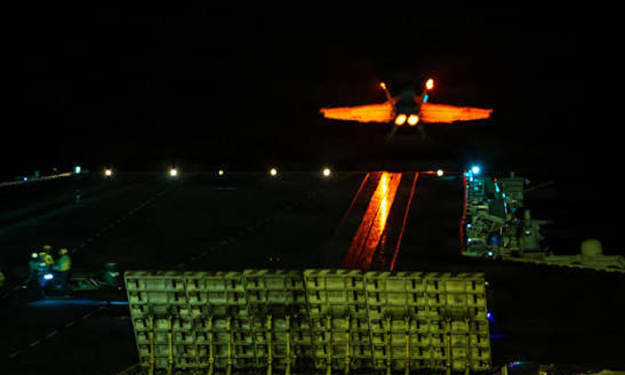
US Navy demonstrates power and readiness in strategic exercises The world’s most powerful warship recently conducted a series of jet launches in the Caribbean, showcasing the United States Navy’s strength, mobility, and operational capability. The exercises are part of routine training, but they also send a clear signal of deterrence, readiness, and commitment to regional security. The aircraft carrier, equipped with advanced technology and a full complement of fighter jets, represents the pinnacle of naval power. Its presence in the Caribbean underscores both military capability and strategic influence in a region vital to international trade and security. Details of the Exercise During the deployment, the carrier conducted multiple operations, including: Launching and recovering fighter jets in simulated combat scenarios Coordinating with support vessels in the carrier strike group Conducting air defense drills and reconnaissance missions These exercises allow pilots and crew to maintain peak operational readiness. They also test the carrier’s ability to coordinate complex flight operations in real-world conditions. Why the Caribbean Matters The Caribbean region is strategically important for several reasons: Shipping and Trade Routes – Vital sea lanes connect the Americas to Europe and Asia. Regional Security – The US and its allies monitor threats ranging from piracy to illegal trafficking. Natural Disaster Response – Naval assets can provide rapid humanitarian assistance after hurricanes and other disasters. By conducting exercises in this area, the US Navy ensures it can respond quickly to crises while maintaining a visible presence. The Carrier’s Capabilities The aircraft carrier involved in the exercises is among the most advanced in the world. Features include: A full air wing of fighter jets, electronic warfare planes, and surveillance aircraft Advanced radar and defense systems capable of tracking multiple threats simultaneously State-of-the-art propulsion and navigation systems, allowing sustained operations far from home ports This combination of capabilities allows the ship to project power, protect allies, and maintain control of strategic waterways. Training and Operational Benefits Carrier-based exercises are not just demonstrations; they are critical training opportunities for personnel. They help crews practice: Emergency procedures during flight operations Coordination with aircraft and escort ships Tactical decision-making under simulated combat conditions Pilots, sailors, and officers gain hands-on experience that prepares them for real-world operations, from defensive missions to humanitarian assistance. International Significance The presence of such a powerful warship in the Caribbean also has international implications. Allies and partners observe these exercises as: A signal of the US commitment to regional stability Proof of interoperability for joint operations with allied nations A demonstration of the capabilities available in crises or conflict scenarios For neighboring countries, it reassures them of support in emergencies, while also deterring potential threats. Technology and Innovation Modern aircraft carriers rely heavily on technology to maintain superiority. During the Caribbean exercises, the carrier demonstrated: Integration of advanced fighter jets capable of rapid launch and recovery Networked communications systems linking ship, air, and support units Enhanced radar and sensor arrays for detecting surface and aerial threats These innovations ensure the ship remains relevant in modern warfare, where speed, precision, and situational awareness are critical. Humanitarian and Strategic Readiness Beyond combat operations, the US Navy uses carriers for humanitarian missions. In the Caribbean, ships like this can deliver emergency supplies, medical aid, and disaster relief personnel. Exercises in this region also help crews practice rapid deployment, ensuring they can adapt to changing conditions—whether responding to a hurricane or a security threat. Global Presence and Deterrence Naval experts note that aircraft carriers serve both operational and symbolic purposes. Their presence in key regions signals: Readiness to respond to crises anywhere in the world Commitment to allies and regional stability Technological and military superiority By operating in the Caribbean, the US Navy demonstrates that it can project power far from domestic shores, a key aspect of modern military strategy. Conclusion The launch of jets from the world’s most powerful warship in the Caribbean illustrates the combined importance of training, readiness, and strategic presence. These exercises not only prepare crews for potential conflicts but also reinforce the US commitment to regional security and rapid response capabilities. As global tensions evolve and maritime security challenges grow, the US Navy’s ability to deploy advanced carriers and conduct complex operations remains a critical element of both defense strategy and international diplomacy.
By Fiaz Ahmed a day ago in Longevity
Living in a hemp house
Hemp, a multi-purpose crop that delivers fibres, shivs, seeds, and pharmaceuticals is currently used in insulation materials and bio-composites for a more sustainable construction industry. Russ Martin and his wife Karon Korp tell their story as owners of the first hemp house in the U.S.
By Susan Fourtané 2 days ago in Interview



Comments
There are no comments for this story
Be the first to respond and start the conversation.