
Unlocking the Secrets to a Healthier, Sharper Mind
Practical Strategies to Boost Brain Health and Enhance Cognitive Function

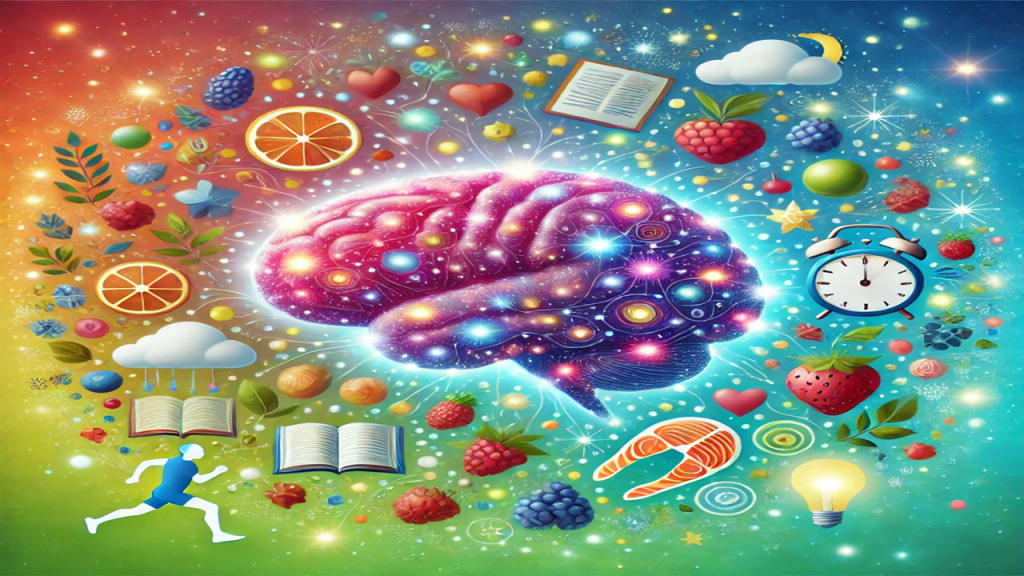
Brain health is the foundation of clear thinking, emotional regulation, decision-making, and the ability to learn and retain information. A healthy brain keeps you sharp, energized, and creative. Conversely, when the brain is compromised, every aspect of life is affected.
As the body’s most metabolically demanding organ, the brain consumes significant glucose and can also utilize ketones. Blood flow supplies essential nutrients and oxygen to neurons, directly influencing cognitive function. Impaired blood flow, even at micro levels, hinders cognition. Age-related cognitive decline and conditions like Alzheimer’s, sometimes referred to as "Type 3 diabetes," highlight the brain’s metabolic vulnerabilities. Although not a cure, ketogenic diets have shown potential in reducing brain inflammation and enhancing cognitive performance.
The brain governs vital systems, including the nervous system, immune responses, and hormone regulation. Neglecting brain health can lead to issues like brain fog, mood swings, memory problems, and neurodegenerative diseases.
Because brain health changes aren’t always immediately noticeable, it’s easy to overlook. Asking proactive questions like "How can I improve my brain health?" or "Is this activity beneficial for my brain?" can guide smarter choices. Avoid harmful substances like alcohol and marijuana, which impair cognitive function.
Modern life poses numerous threats to brain health. Poor sleep deprives the brain of essential restoration. Chronic stress triggers inflammation and damages brain cells. Sedentary lifestyles limit blood flow to the brain, while excessive screen time strains cognitive function. High sugar and processed foods increase oxidative stress and reduce neuroplasticity, undermining brain performance.
The brain’s adaptability means it can recover under the right conditions.
Rest: Quality sleep and relaxation are fundamental for recovery. Sleep allows the brain to detoxify, repair itself, and consolidate memories.
Nutrition: Providing nourishing foods like healthy fats, omega-3s, and antioxidants supports brain vitality. Supplements such as multivitamins, probiotics, and vitamin D optimize cognitive function.
Movement: Regular physical activity improves blood flow, neurogenesis, and mood. Cardio enhances memory, yoga promotes balance and relaxation, and strength training boosts stress resilience.
Mental Stimulation: Engaging the mind through puzzles, learning new skills, and reading encourages neuroplasticity.
Emotional Well-Being: Managing stress through mindfulness, journaling, and connecting with loved ones supports mental clarity and resilience.
Start with small steps: believe in the brain’s ability to heal, avoid harmful habits, and regularly assess whether daily choices support brain health.
Fueling the brain with appropriate nutrients is crucial. Foods rich in healthy fats like avocado and olive oil provide energy. Omega-3s from salmon and walnuts enhance cognitive performance. Antioxidants in berries, dark chocolate, and green tea reduce oxidative stress. Avoid processed foods to protect your brain from inflammatory damage.
Exercise is essential for brain health. It enhances blood flow, supports neurogenesis, and uplifts mood. Aerobic activities improve memory and focus, yoga encourages relaxation and balance, and strength training builds resilience to stress. Even simple daily movements, such as walking, can significantly benefit brain health.
Sleep is the brain’s natural repair process. Without adequate sleep, memory issues, brain fog, and long-term damage occur. Establishing a consistent sleep schedule, avoiding screens before bed, and creating a cool, dark sleeping environment can enhance sleep quality. Aim for 7-9 hours per night to optimize cognitive function.
Mental stimulation fosters neuroplasticity—the brain’s capacity to grow and adapt. Activities like solving puzzles, learning new skills, playing strategy games, and reading challenging material keep the mind sharp and agile. Lifelong learning is a cornerstone of cognitive health.
Stress adversely affects the brain, shrinking the hippocampus and impairing memory. Cultivating emotional well-being through mindfulness, meditation, journaling, and connecting with nature or loved ones protects cognitive function. A balanced emotional state is key to long-term brain health.
Simple habits can safeguard your brain. Use helmets during risky activities, avoid smoking and excessive drinking, and maintain social connections to boost mental health. Protecting your brain is a lifelong commitment that pays dividends in enhanced well-being and cognitive resilience.
Your brain is your most valuable asset. By focusing on nutrition, movement, rest, learning, and emotional well-being, you can nurture and protect it for a lifetime of optimal function. Start today.
About the Creator
Keep reading
More stories from Matthew Efe and writers in Longevity and other communities.
Gray Hair Might Be Reversible, and It’s Not Sci-Fi!
Hey there, guess what? Your hair might have a little magic trick up its sleeve. No, it’s not going to hop into a time machine and chat with your ancestors in the 1800s, but scientists have made some exciting discoveries that might make you rethink that first gray strand you noticed.
By Matthew Efeabout a year ago in Longevity
Why Your Brain Loves Procrastination
Almost everyone has experienced procrastination. You have an assignment due, an important task waiting, or something you promised yourself you would finish today. But instead of starting, you suddenly feel the urge to check your phone, watch videos, clean your room, or do literally anything else.
By Being Inquisitive2 days ago in Longevity




Comments
There are no comments for this story
Be the first to respond and start the conversation.