
United States Retinal Surgery Devices Market Size & Forecast 2026–2034
Rising retinal disorders, advanced surgical technologies, and strong healthcare infrastructure fuel long-term market expansion

Market Overview
The United States retinal surgery devices market is projected to witness consistent and robust growth over the forecast period, driven by the increasing burden of retinal disorders, rising diabetes prevalence, and rapid adoption of technologically advanced ophthalmic solutions. According to Renub Research, the market is expected to expand from US$ 902.54 million in 2025 to US$ 1,852.87 million by 2034, registering a Compound Annual Growth Rate (CAGR) of 8.32% during 2026–2034.
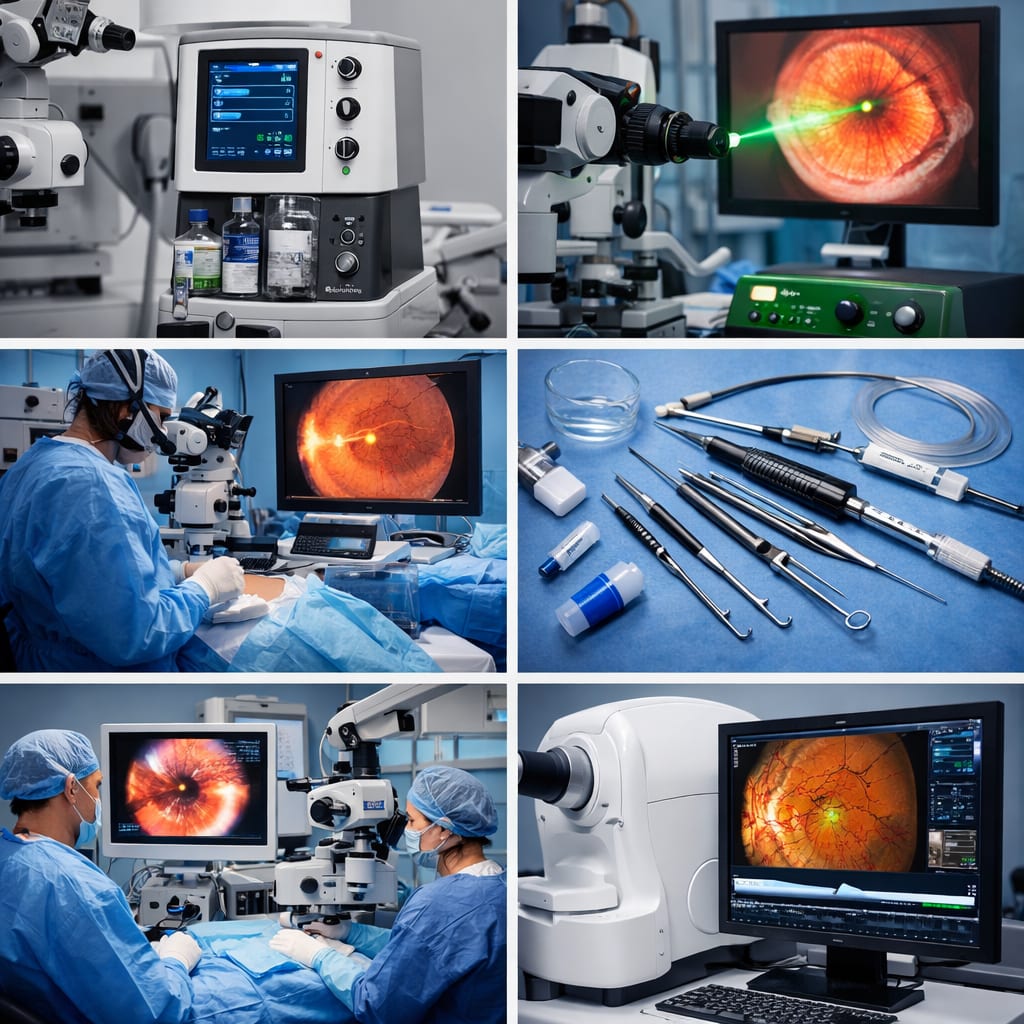
Retinal surgery devices include specialized instruments and systems designed for the diagnosis and treatment of disorders affecting the retina—the light-sensitive tissue located at the back of the eye that plays a vital role in vision. These devices are essential in procedures addressing retinal detachment, diabetic retinopathy, macular holes, epiretinal membranes, and age-related macular degeneration. Commonly used tools include vitrectomy systems, retinal lasers, microsurgical instruments, illumination probes, and advanced visualization platforms.
The United States stands out as one of the most developed and innovation-driven markets globally, supported by advanced healthcare infrastructure, skilled ophthalmic surgeons, and favorable reimbursement frameworks. The country’s strong focus on early diagnosis, minimally invasive procedures, and precision surgery continues to accelerate demand for next-generation retinal surgery devices.
United States Retinal Surgery Devices Market Dynamics
Rising Prevalence of Retinal Disorders
The increasing incidence of retinal diseases remains a primary driver of market growth in the United States. Conditions such as diabetic retinopathy, retinal detachment, macular holes, and age-related macular degeneration are becoming increasingly common due to an aging population and a rapidly expanding diabetic patient base.
The United States has one of the highest diabetes prevalence rates globally, directly contributing to a rise in diabetic retinopathy cases—a leading cause of vision impairment and blindness. Improved screening programs and better diagnostic technologies have led to higher detection rates, translating into increased surgical intervention volumes.
Age-related macular degeneration (AMD) continues to pose a significant public health concern. With millions of Americans already affected and a growing elderly population, the demand for advanced retinal surgical interventions remains strong. In severe cases, AMD-related geographic atrophy accounts for a substantial proportion of legal blindness in the country, further emphasizing the need for effective surgical solutions.
Additionally, inherited retinal diseases (IRDs) are being identified more frequently due to advancements in genetic testing and next-generation sequencing. Enhanced diagnostics, combined with ongoing clinical trials, are increasing the number of patients eligible for surgical and therapeutic interventions, further driving device demand.
Rapid Technological Advancements in Retinal Surgery
Continuous innovation in retinal surgery equipment is a major growth catalyst for the U.S. market. Modern vitrectomy systems now offer ultra-high cut rates, optimized fluidics, and enhanced safety profiles, enabling surgeons to perform complex procedures with greater precision and reduced complication risks.
Advancements in visualization technologies, including high-definition digital imaging and three-dimensional surgical viewing systems, have significantly improved surgical accuracy and outcomes. These innovations allow surgeons to operate with improved depth perception and clarity, especially in delicate retinal procedures.
The United States benefits from a strong culture of medical research and early technology adoption. Hospitals and specialized eye care centers frequently upgrade their equipment to stay aligned with evolving clinical standards. Manufacturers continue to invest heavily in research and development to introduce next-generation devices that improve efficiency, safety, and patient outcomes, encouraging replacement of older systems across healthcare facilities.
Strong Healthcare Infrastructure and Favorable Reimbursement
A well-established healthcare ecosystem significantly supports the growth of the retinal surgery devices market in the United States. The country offers extensive access to specialized eye care centers, academic medical institutions, and experienced retinal surgeons.
Favorable reimbursement policies for retinal procedures encourage hospitals and ambulatory surgery centers to invest in advanced and often high-cost surgical equipment. Public and private insurance coverage ensures that a large portion of patients can access retinal surgeries without significant financial barriers.
High healthcare expenditure and ongoing investments in medical education and workforce development further strengthen the market. Support for optometry and ophthalmology training programs ensures a steady pipeline of skilled professionals capable of utilizing advanced retinal surgical technologies.
Key Challenges Impacting Market Growth
High Cost of Retinal Surgery Devices
Despite technological progress, the high cost associated with advanced retinal surgery equipment remains a significant challenge. Vitrectomy systems, retinal lasers, and sophisticated imaging platforms require substantial capital investment. Smaller hospitals, independent practices, and day surgery centers may face budget constraints when upgrading or expanding their surgical capabilities.
In addition to acquisition costs, ongoing expenses related to consumables, system maintenance, and staff training further increase the total cost of ownership. These financial pressures may limit adoption in cost-sensitive healthcare settings.
Shortage of Skilled Retinal Surgeons
Retinal surgery is a highly specialized field requiring extensive training and expertise. A shortage of skilled retinal surgeons can limit procedural volumes, particularly in underserved or rural regions. Advanced surgical systems demand comprehensive training to ensure optimal use and patient safety, and limited access to trained professionals may slow market penetration in certain areas.
Market Segmentation Analysis
Vitrectomy Packs Devices Market
Vitrectomy packs play a crucial role in retinal surgeries by providing sterile, single-use kits that enhance procedural efficiency and infection control. The increasing number of retinal surgeries in the United States, combined with stringent infection prevention standards, is driving strong demand for disposable vitrectomy packs. Rising cases of diabetic retinopathy and other retinal conditions further support segment growth.
Retinal Surgery Instruments Market
This segment includes forceps, scissors, cannulas, illumination probes, and laser devices used in delicate retinal procedures. Growing surgical complexity has increased demand for highly precise, ergonomically designed instruments that improve surgeon control while minimizing tissue trauma. Continuous innovation in instrument design remains a key growth driver.
Diabetic Retinopathy Surgery Devices Market
Diabetic retinopathy is one of the leading causes of blindness in the United States. Rising diabetes prevalence, coupled with improved screening programs, has resulted in increased surgical interventions. Advanced vitrectomy and laser systems are widely used in managing advanced stages of the disease, making this segment one of the fastest-growing within the market.
Retinal Detachment Surgery Devices Market
Retinal detachment requires immediate surgical intervention, leading to consistent demand for vitrectomy systems, laser photocoagulation devices, and cryotherapy units. Increased public awareness and timely diagnosis contribute to steady growth in this segment.
End-User Analysis
Hospitals
Hospitals represent the dominant end-user segment due to their large patient volumes, advanced infrastructure, and availability of skilled specialists. Teaching hospitals and multi-specialty centers frequently handle complex retinal cases, driving demand for state-of-the-art surgical devices. Favorable reimbursement and institutional funding further support adoption.
Eye Clinics
Specialized eye clinics are increasingly adopting advanced retinal surgery devices as patient preference shifts toward ambulatory and specialized care settings. These centers emphasize efficiency, reduced waiting times, and personalized treatment, encouraging investment in compact and high-performance surgical systems.
Regional Insights
California
California represents one of the largest retinal surgery devices markets in the United States. A large population base, high prevalence of diabetes, and a significant elderly demographic contribute to strong demand. The presence of leading medical institutions, high healthcare spending, early adoption of minimally invasive technologies, and proximity to medical device innovators further support market growth.
New York
New York’s market is driven by a dense concentration of academic medical institutions and specialty eye care facilities. An aging population and rising chronic disease burden sustain demand for advanced retinal surgical systems. Strong institutional reputation, patient loyalty, and supportive healthcare policies contribute to consistent adoption of cutting-edge technologies.
New Jersey
New Jersey benefits from high healthcare expenditure and close ties to pharmaceutical and medical device industries. The state’s strong network of hospitals and specialty clinics supports early adoption of innovative retinal technologies, driving steady market expansion.
Texas
Texas is among the fastest-growing regional markets due to rapid population growth, increasing numbers of senior citizens, and rising diabetes prevalence. Major metropolitan areas host numerous hospitals and specialty centers, creating strong demand for advanced vitrectomy and minimally invasive retinal surgery systems.
Competitive Landscape
The U.S. retinal surgery devices market is characterized by strong competition and continuous innovation. Key players covered in the market include:
Topcon Corporation
Alcon AG
Carl Zeiss
Bausch Health Companies Inc.
Iridex Corporation
Escalon Medicals
Quantel Medical
Rhein Medical, Inc.
Each company is analyzed across five key viewpoints: overview, key personnel, recent developments, SWOT analysis, and revenue performance.
Final Thoughts
The United States retinal surgery devices market is set for sustained growth through 2034, supported by rising retinal disease prevalence, rapid technological innovation, and a strong healthcare ecosystem. While challenges such as high equipment costs and specialist shortages persist, continuous advancements in surgical technologies and expanding access to specialized eye care are expected to offset these limitations.
With increasing emphasis on early diagnosis, minimally invasive procedures, and improved patient outcomes, the market offers significant opportunities for device manufacturers, healthcare providers, and investors. As innovation continues to redefine retinal surgery standards, the United States is likely to remain a global leader in the adoption and development of advanced retinal surgery devices.
About the Creator
Sakshi Sharma
Content Writer with 7+ years of experience crafting SEO-driven blogs, web copy & research reports. Skilled in creating engaging, audience-focused content across diverse industries.
Keep reading
More stories from Sakshi Sharma and writers in Longevity and other communities.
United States Positron Emission Tomography Market Size and Forecast (2026–2034)
Introduction The United States Positron Emission Tomography (PET) market is undergoing steady and transformative growth as healthcare providers increasingly prioritize early disease detection, precision diagnostics, and personalized treatment strategies. According to Renub Research, the U.S. PET market is expected to grow from US$ 330.83 million in 2025 to US$ 467.22 million by 2034, expanding at a compound annual growth rate (CAGR) of 3.91% between 2026 and 2034.
By Sakshi Sharma2 days ago in Longevity
Day 4 of Quitting
If this is how sobriety feels, maybe it’s better to go through life a little buzzed… this, along with other hits like, I want to kill myself, I wish I was dead, and I’m going to throw myself off a bridge have been the only thoughts on rotation these past few days. I promise myself that if, in a month, I still feel like this (‘this’ meaning despondent, full of rage, and simultaneously numb) I can go back to smoking. Until mid-February though? Nicotine is off the table.
By sleepy drafts28 days ago in Longevity
Dead and Wearing Green
She was wearing that green dress when I first saw her, five years ago to the day. Flowing meadow fabric draped over long legs, thick auburn hair flowing down her back. That smile. Of course, she is still beautiful now. But now she is no longer alive.
By Karen Cave6 days ago in Fiction


Comments
There are no comments for this story
Be the first to respond and start the conversation.