
Understanding Ovulation Testing: Science, Accuracy, and Smart Choices for Fertility Tracking
Exploring how reliable ovulation tests empower smarter fertility awareness

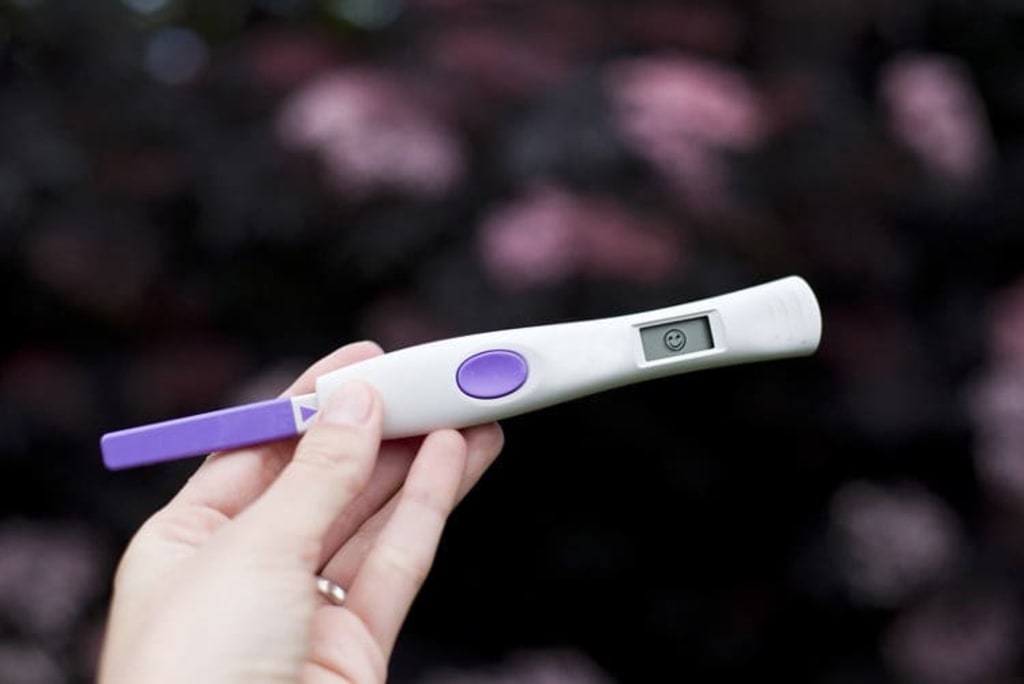
Understanding fertility and reproductive health has become an essential aspect of personal wellness. Modern science has made it possible for individuals to monitor their cycles and better understand their bodies through ovulation testing. These tests provide insight into hormonal changes, helping people plan pregnancies or simply learn more about their menstrual health.
This article provides an educational overview of how ovulation testing works, why hormonal tracking matters, and what makes certain tests more reliable. It also touches on the importance of using tests from verified diagnostic manufacturers to ensure quality and accuracy. All sources mentioned are for informational context only.
The Science Behind Ovulation Testing
Ovulation occurs when a mature egg is released from the ovary and becomes available for fertilization. This event generally happens once per cycle, often about two weeks before the next menstrual period. The key to detecting ovulation lies in identifying the surge of luteinizing hormone (LH) that triggers the release of the egg.
Many at-home tests are designed to detect this surge. For example, tools like the Ovulation Test Strip use a simple urine-based method to indicate when LH levels have peaked. Other versions, such as the LH midstream format or cassette-based options, provide similar functions with slightly different testing methods.
How Ovulation Tests Work
At-home ovulation tests are modeled on the same biochemical principles as many diagnostic kits used in clinical settings. The test strip or device contains antibodies that react specifically to LH in urine. When LH levels rise sharply, the test produces a visible line or digital indicator showing that ovulation is likely to occur within the next 24–36 hours.
Sample Collection: Depending on the format, users may urinate directly on the test or dip it into a collected sample.
Hormone Detection: The antibodies in the test react to LH molecules in the urine.
Result Reading: A control line confirms the test worked, while a second line or digital indicator signals the LH surge.
The simplicity of this method makes it accessible to anyone seeking a non-invasive way to track fertility.
Types of Ovulation Tests
Different ovulation test formats offer flexibility depending on user preference:
- Ovulation Test Strip: A dip test that provides fast and clear results, ideal for frequent tracking.
- LH Test Midstream: A convenient option allowing direct testing without additional tools.
- Ovulation Test Cassette: Often used in clinics, this type offers precise control during testing.
These different options help meet individual needs, whether for home use or professional guidance.
Why Certified Diagnostic Products Matter
When choosing any health-related product, reliability should come first. Using a test from an ISO Diagnostic Testing Manufacturer CE Certified Ovulation Test provider ensures that it has met internationally recognized safety and quality standards. These certifications confirm that the product has undergone strict testing for sensitivity and accuracy.
Opting for certified diagnostic products helps users trust the information they receive — an important factor when making health or family planning decisions.
Interpreting Results Responsibly
Accuracy depends on both the product and the method of use. Here are some best practices:
Test at a Consistent Time: Daily testing at the same time improves reliability.
Avoid Morning Urine: Afternoon samples tend to reflect LH levels more accurately.
Follow Instructions Carefully: Misreading or mistiming can affect results.
Track Over Multiple Cycles: Repetition helps confirm patterns rather than relying on a single test.
By taking these small steps, users can make the most of their testing experience.
Beyond Conception: Understanding Your Cycle
While ovulation tests are often associated with pregnancy planning, their usefulness extends further. Tracking hormonal fluctuations can provide valuable insights into menstrual health and potential irregularities. Conditions such as polycystic ovary syndrome (PCOS) or thyroid-related imbalances may be easier to discuss with healthcare providers when supported by consistent testing data.
The Role of Technology
Innovations in diagnostic testing are expanding rapidly. Many modern tests now incorporate digital displays or connect to smartphone apps, offering personalized insights and reminders. These updates reflect a growing emphasis on user-friendly, data-driven approaches to reproductive wellness.
Environmental Awareness
Most test kits are single-use, which raises environmental concerns. Users are encouraged to dispose of used materials responsibly and explore eco-friendly options where possible. Manufacturers are also beginning to develop more sustainable diagnostic tools to reduce plastic waste.
Building Confidence Through Knowledge
Reliable ovulation testing supports informed decision-making and fosters greater awareness of one’s reproductive health. By choosing tests that meet recognized standards — such as those offered by an ISO Diagnostic Testing Manufacturer CE Certified Ovulation Test — individuals can ensure they’re using tools built with accuracy and safety in mind.
Final Thoughts
Understanding ovulation is not just about conception; it’s about learning more about one’s body and overall well-being. Whether using a Ovulation Test Strip, an LH midstream test, or a cassette-style device, users gain valuable knowledge that can support both short-term and long-term health goals.
By approaching ovulation testing as an educational and empowering practice — rather than purely a means to an end — individuals take meaningful steps toward reproductive literacy and informed self-care.
About the Creator
Keep reading
More stories from charliesamuel and writers in Longevity and other communities.
Understanding At-Home Fertility and Pregnancy Testing: Empowering Choices Through Reliable Science
In recent years, the landscape of reproductive health has transformed dramatically. Once dependent on clinical visits and laboratory appointments, people today can take control of their fertility and pregnancy monitoring from the comfort of their own homes. This evolution has been driven by advancements in diagnostic testing, improved accuracy of home-use kits, and increasing public awareness about reproductive wellness.
By charliesamuel3 months ago in Longevity
Day 4 of Quitting
If this is how sobriety feels, maybe it’s better to go through life a little buzzed… this, along with other hits like, I want to kill myself, I wish I was dead, and I’m going to throw myself off a bridge have been the only thoughts on rotation these past few days. I promise myself that if, in a month, I still feel like this (‘this’ meaning despondent, full of rage, and simultaneously numb) I can go back to smoking. Until mid-February though? Nicotine is off the table.
By sleepy drafts7 days ago in Longevity
Forget Burj Khalifa and Shanghai Tower: Saudi Arabia Now Readies a Bold 1km-Tall Skyscraper
Saudi Arabia is once again turning heads in the world of architecture and urban development, this time with a plan that could redefine the global skyline. Forget the Burj Khalifa in Dubai or Shanghai Tower in China—both marvels of modern engineering. The Kingdom is reportedly preparing to construct a skyscraper that will soar an astonishing 1,000 meters (1 km) into the sky, setting a new benchmark for ambition and innovation. The announcement comes amid Saudi Arabia’s Vision 2030 initiative, a sweeping plan to diversify the country’s economy, reduce its dependence on oil, and establish itself as a hub for tourism, technology, and global investment. Building the world’s tallest skyscraper is both a symbol of national pride and a statement of intent, signaling Saudi Arabia’s desire to compete with other global metropolises in terms of architectural prowess and urban sophistication. The proposed tower, still in its early conceptual stages, promises to be a landmark on multiple fronts. Engineers and architects are reportedly exploring cutting-edge construction techniques, including ultra-lightweight materials, reinforced steel frameworks, and innovative wind-resistance systems. At 1 kilometer tall, the building will require a foundation capable of supporting immense weight while withstanding seismic activity and extreme weather conditions. The project is expected to push the boundaries of engineering much like the Burj Khalifa did when it was completed in 2010. Beyond engineering, the skyscraper is intended to be a multipurpose vertical city. Early designs suggest a combination of luxury residences, office spaces, hotels, observation decks, and entertainment facilities. Developers envision it as not just a building but a destination, capable of attracting tourists from around the globe while providing state-of-the-art amenities for residents and businesses. The concept of a self-contained vertical city is increasingly popular in mega-cities around the world, and Saudi Arabia aims to demonstrate that such ambition is possible in its own backyard. However, the challenges are significant. Constructing a 1 km skyscraper involves tackling wind forces that increase dramatically at higher altitudes, ensuring the safety and comfort of elevators over unprecedented heights, and creating systems to supply water, electricity, and emergency services efficiently. The logistics of construction, from transporting materials to coordinating thousands of workers, will require meticulous planning and the latest in project management technologies. Experts say that every detail, from the shape of the tower to its façade design, will be critical in ensuring that it is both structurally sound and visually iconic. Financial considerations are equally important. Mega-projects of this scale often require tens of billions of dollars in investment. Saudi Arabia has a track record of funding large-scale developments, from the futuristic city of NEOM to massive cultural and tourism projects. Yet, the economic viability of the skyscraper will depend on its ability to attract tenants, visitors, and businesses over the long term. Analysts suggest that incorporating mixed-use features and tourist attractions is key to making the investment sustainable. Culturally, the skyscraper represents a shift in perception for Saudi Arabia. Historically known for its conservative approach to urban development, the Kingdom is embracing bold, globally visible projects to enhance its soft power and showcase modernization. Such landmark buildings are more than infrastructure—they are symbols of ambition, progress, and technological prowess. If completed, the 1 km tower could redefine the city skyline, drawing comparisons not only to Dubai or Shanghai but to other global centers of innovation. Critics, however, have raised environmental concerns. The construction and maintenance of a super-tall skyscraper have significant energy demands and ecological footprints. Questions around sustainability, water use, and energy efficiency will be under scrutiny, particularly as Saudi Arabia positions itself as a player in renewable energy and environmental innovation. Integrating green technology, smart energy systems, and sustainable urban design will be crucial to ensuring that the project aligns with global expectations of responsible development. Despite these challenges, excitement is palpable. Architects, engineers, and urban planners worldwide are watching Saudi Arabia’s ambitions with keen interest. The project is expected to attract international expertise, foster innovation in construction technologies, and inspire a new generation of skyscraper designs. Beyond its physical stature, the tower promises to be a symbol of Saudi Arabia’s future—a bold statement that blends tradition with futuristic ambition. In a world where cities compete for global attention through landmarks and architecture, Saudi Arabia’s 1 km skyscraper could be the next iconic symbol. It reflects a country striving to diversify its economy, assert its presence on the global stage, and redefine what is possible in urban design. From the Burj Khalifa to the Shanghai Tower, the race for the sky has been ongoing—but Saudi Arabia may soon take it to an entirely new level.
By Fiazahmedbrohi about 11 hours ago in Longevity


Comments
There are no comments for this story
Be the first to respond and start the conversation.