
Understanding Food Labels
Decoding Nutrition Facts and Ingredients

In today's fast-paced world, where convenience often takes precedence over nutrition, deciphering the labels on food products can be quite a daunting task. With an overwhelming array of buzzwords and confusing jargon, it's no wonder that many of us feel lost in the labyrinth of nutrition facts and ingredients. But fear not, for armed with a little knowledge and a curious mindset, we can unravel the mysteries behind those labels and make informed choices for our well-being. So, let's embark on a journey of understanding food labels, one bite at a time.
Nutrition Facts: The Pathway to Wellness
The nutrition facts panel is a treasure trove of valuable information, providing a snapshot of what lies within the product. It lists the serving size, calorie count, macronutrients (such as carbohydrates, proteins, and fats), and essential micronutrients (like vitamins and minerals). Don't be intimidated by the numbers; they hold the key to understanding the impact of food on your body.
Start by examining the serving size. It's essential to remember that the values on the label refer to a specific portion. If you consume more or less than the stated serving size, you'll need to adjust your nutrient intake accordingly.
Next, focus on the calorie count. While calories are not the sole determinant of a food's nutritional value, they do provide an indication of its energy content. Be mindful of your daily calorie requirements and strike a balance between indulgence and moderation.
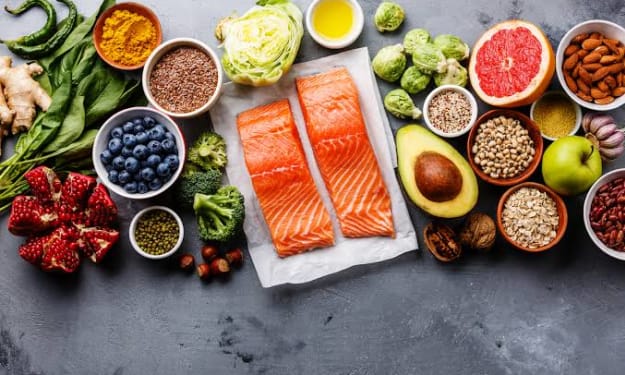
Moving on, pay attention to the macronutrients. Carbohydrates, proteins, and fats play unique roles in our bodies. Opt for complex carbohydrates, such as whole grains, which release energy gradually and keep you feeling fuller for longer. Lean proteins, like poultry and fish, are essential for muscle repair and growth. When it comes to fats, choose healthy options like avocados and nuts, which provide vital nutrients without excessive saturated or trans fats.
Ingredients: The Building Blocks of Your Meal
While the nutrition facts panel gives us an overview, the ingredients list reveals the intricate details of a product. It's crucial to understand that ingredients are listed in descending order by weight. So, the first few ingredients make up the majority of the product, while those at the end appear in smaller quantities.
When scanning the ingredient list, be on the lookout for additives, preservatives, and artificial sweeteners. These may enhance taste and prolong shelf life, but they can also have potential health implications. Choose products with shorter ingredient lists, focusing on recognizable and whole-food ingredients. Remember, simplicity is key.
Beware of deceptive marketing tactics. Terms like "all-natural," "low-fat," or "organic" can be misleading. Always cross-reference claims with the actual ingredient list to ensure you're making an informed choice.
Empowering Yourself Through Knowledge
Understanding food labels is not just about decoding numbers and words; it's about taking charge of your health and well-being. By educating ourselves about nutrition, we empower ourselves to make conscious choices that nourish our bodies.
In addition to deciphering food labels, it's essential to develop a broader understanding of nutrition and healthy eating habits. Consider incorporating more whole foods into your diet, such as fruits, vegetables, lean proteins, and whole grains. Embrace the power of home-cooked meals, where you have control over the ingredients and can experiment with flavors.
Stay curious and explore reliable sources of nutrition information. Educate yourself about portion sizes, mindful eating, and the importance of a balanced diet. Remember, the journey towards better health is a continuous one, and each small step counts.
As you navigate the grocery store aisles, armed with knowledge and a discerning eye, be inspired to make choices that align with your goals. Embrace the joy of discovering new flavors and nourishing your body. Let the vibrant colors of fruits and vegetables inspire you to create beautiful and nutritious meals. Experiment with herbs and spices to add depth and excitement to your dishes. Take pleasure in the process of preparing meals that not only satisfy your taste buds but also provide the nourishment your body craves.
Remember, understanding food labels is not about deprivation or strict rules. It's about finding a balance that works for you. It's about being mindful of what you consume and making choices that support your well-being. It's about fostering a healthy relationship with food that nourishes your body, mind, and soul.
When you decode nutrition facts and ingredients, you're equipping yourself with the knowledge to make informed decisions. You're taking a step towards embracing a healthier lifestyle and setting an example for those around you. Your choices have the power to influence not only your own well-being but also the well-being of your loved ones and the broader community.
So, the next time you find yourself standing in front of the grocery store shelves, take a moment to pause and reflect. Let your understanding of food labels guide you towards selecting products that align with your values and health goals. Embrace the opportunity to support local farmers and sustainable practices whenever possible.
And as you make your way through the aisles, remember that the power lies in your hands. You have the ability to transform your health, one meal at a time. By decoding nutrition facts and ingredients, you're not only nourishing your body, but you're also nurturing a deep connection with the food you consume.
In conclusion, understanding food labels is a powerful tool in your journey towards a healthier and more fulfilling life. It empowers you to make choices that fuel your body and support your overall well-being. Embrace the process of decoding nutrition facts and ingredients, and let it inspire you to create a life filled with vibrant health and vitality. Remember, you hold the key to unlocking the secrets behind those labels, and with that knowledge, you can make choices that lead to a healthier and happier you.
About the Creator
Keep reading
More stories from King Martins and writers in Longevity and other communities.
The Power of Superfoods
In today's fast-paced world, it's easy to fall into the trap of consuming quick and convenient meals that may leave our bodies lacking essential nutrients. However, nature has provided us with an array of superfoods packed with an extraordinary amount of vitamins, minerals, and antioxidants, which can nourish our bodies and boost our overall well-being. These nutritional powerhouses are not only delicious but also hold the key to unlocking our full potential. So, let's explore the top 15 superfoods that can empower us to live a vibrant and healthy life.
By King Martins 3 years ago in Longevity
10 DIY Medicinal Herbs (Very Effective)
There's something deeply satisfying about growing your own medicinal herbs. For centuries, our ancestors relied on backyard gardens not just for food, but for natural remedies that supported their health and well-being.
By Edward Smith2 days ago in Longevity
20 Tested and Proven Longevity Hacks
Many people can avoid certain health problems simply with shifting their choices. They buy the supplements, read the articles, and watch the documentaries about Blue Zones and nod along like they learned something. Then they go back to poor sleeping habits, eating garbage, sitting for ten hours, and wondering why their energy is destroyed by 2pm.
By Destiny S. Harris6 days ago in Longevity



Comments
There are no comments for this story
Be the first to respond and start the conversation.