
Understanding Emergency Medical Services in Belgium: A Comprehensive Guide for Expats and Travelers
Medical Services in Belgium
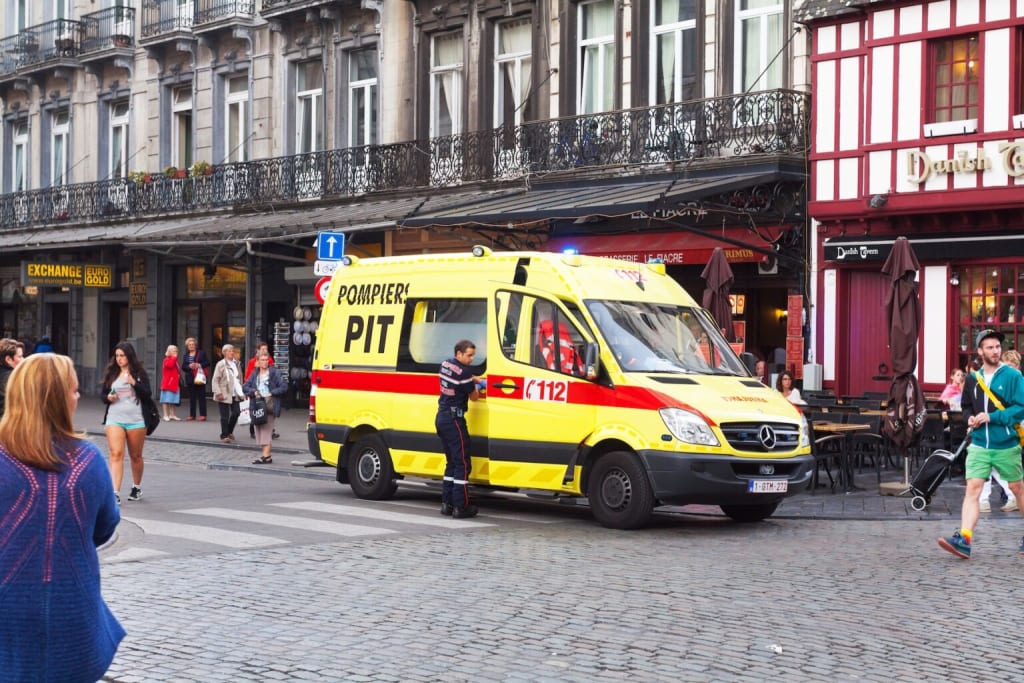
Navigating the emergency healthcare system of a foreign country can be intimidating. In Belgium, however, the ambulance and emergency medical services are highly organized, accessible, and responsive. This article will provide detailed information about how to call an ambulance, what happens after the call, and how to ensure you’re financially and medically protected.
Quick Overview: Emergency Contacts
- 112 – Emergency number for ambulance, fire, and police.
- 101 – Police emergency.
- 112 BE App – Available for iOS and Android, allows multilingual communication.
What Happens After You Call 112?
The emergency dispatcher will ask a series of questions to determine the nature of the emergency. These typically include:
- Your location
- What happened
- Number of people involved
- The condition of the person needing help
Once the call is made, an ambulance is dispatched to your location. If the case is severe, a medical team with a doctor may also be sent.
Ambulance System Structure
Belgium’s ambulance system is decentralized but integrated into the national emergency response. Each region — Wallonia, Flanders, and Brussels — has its own network but follows the same emergency protocols.
In urban areas, response times are typically quick, often within 10 minutes. Rural areas may have slightly longer wait times depending on availability and distance.
Public vs. Private Ambulances
Public ambulances are operated by local governments or hospitals and respond to emergency calls. Private ambulances are usually for scheduled, non-urgent transport, such as transferring a patient between hospitals.
The key difference is cost and response time. Public ambulances are subsidized and prioritize life-threatening cases, whereas private services operate more like taxis for medical transport.
Do You Need to Speak the Local Language?
Though Belgium has three official languages — Dutch, French, and German — most emergency operators speak English. The 112 app also offers language selection and location tracking, making it easier for non-locals to communicate.
Tourists are advised to write down essential phrases or use translation apps. Expats should consider language classes to better navigate the healthcare system.
Costs and Reimbursement
Ambulance costs vary based on distance and type of service. Generally, emergency transportation is partially covered by public health insurance (if you’re registered in the system). Private insurance can cover the remaining balance.
Tourists and short-term visitors should have travel insurance that covers medical emergencies. After receiving care, a bill will be issued that can be used for reimbursement claims.
Helpful Tips for Expats and Visitors
- Save emergency numbers in your phone.
- Keep your ID and insurance card with you.
- Inform someone of your location when traveling alone.
- Register with a local GP if staying long-term.
For a detailed breakdown of ambulance procedures and tips for foreigners, visit: Ambulance in Belgium – Full Guide
Red Cross and Alternative Services
The Red Cross provides additional medical support and may respond during large public events or disasters. They also offer volunteer ambulance services in certain areas.
Hospital-based emergency vehicles are also common, particularly in university cities. These services coordinate with national emergency numbers.
Final Thoughts
Belgium's emergency services are designed to be fast, efficient, and accessible. But understanding how to navigate the system — especially if you don’t speak the language — is key. Always be prepared, carry essential documents, and consider downloading the 112 BE app.
Need more information about living in Belgium as an expat? Check out WelcomeBelgium for updated guides and practical advice.
Quick tip
Always carry your ID and insurance card when in Belgium. In case of an emergency, this will help medical personnel provide faster and more accurate assistance. It’s especially important for tourists and new residents who might not yet be registered in the local healthcare system.
About the Creator
Keep reading
More stories from Ретро Мания and writers in Longevity and other communities.
Hospitals in Belgium: Medicine, Which Clinics to Choose, Cost of Treatment
Belgium boasts a robust healthcare system renowned for its high standards, accessibility, and a balanced mix of public and private services. Whether you're a resident, expatriate, or traveler, understanding the nuances of Belgian hospitals can help you make informed decisions about your medical care.
By Ретро Мания9 months ago in Longevity
Day 4 of Quitting
If this is how sobriety feels, maybe it’s better to go through life a little buzzed… this, along with other hits like, I want to kill myself, I wish I was dead, and I’m going to throw myself off a bridge have been the only thoughts on rotation these past few days. I promise myself that if, in a month, I still feel like this (‘this’ meaning despondent, full of rage, and simultaneously numb) I can go back to smoking. Until mid-February though? Nicotine is off the table.
By sleepy drafts11 days ago in Longevity




Comments
There are no comments for this story
Be the first to respond and start the conversation.