
Understanding Chronic Inflammation
Strategies for Prevention and Management

Chronic inflammation is a complex biological response that plays a significant role in various diseases and health conditions. It occurs when the immune system responds to prolonged or persistent stimuli, leading to tissue damage and systemic inflammation. In recent years, chronic inflammation has gained attention due to its association with the development of chronic diseases, including cardiovascular diseases, diabetes, obesity, and certain types of cancer. This essay aims to explore the concept of chronic inflammation, its underlying causes, and strategies for its prevention and management.
The Nature of Chronic Inflammation:
Chronic inflammation is distinct from acute inflammation, which is a normal and essential part of the immune response to injury or infection. While acute inflammation is short-term and localized, chronic inflammation persists over an extended period and can affect multiple organs and systems. It involves the release of pro-inflammatory molecules and the recruitment of immune cells, resulting in tissue damage and dysfunction.
Causes and Triggers of Chronic Inflammation:
Several factors contribute to the development of chronic inflammation. Unhealthy lifestyle habits, such as a sedentary lifestyle, poor diet, smoking, and excessive alcohol consumption, can promote inflammation. Additionally, environmental factors, such as air pollution and chronic stress, can also contribute to chronic inflammation. Furthermore, underlying medical conditions like autoimmune disorders, obesity, and chronic infections can perpetuate the inflammatory response.
Impact of Chronic Inflammation on Health:
Chronic inflammation is associated with the development and progression of various diseases. Prolonged inflammation can damage tissues and organs, leading to chronic conditions such as cardiovascular disease, type 2 diabetes, arthritis, Alzheimer's disease, and certain types of cancer. Inflammation also plays a role in the aging process and can contribute to age-related decline and degenerative diseases.
Strategies for Prevention and Management:
a. Healthy Lifestyle Habits: Adopting a healthy lifestyle is crucial for preventing and managing chronic inflammation. Regular exercise has anti-inflammatory effects and can help reduce systemic inflammation. A balanced and nutrient-rich diet, including foods with anti-inflammatory properties like fruits, vegetables, whole grains, and fatty fish, can help modulate the inflammatory response. Quitting smoking and reducing alcohol consumption are also essential steps in reducing chronic inflammation.
b. Stress Management: Chronic stress can trigger inflammation and compromise immune function. Employing stress management techniques such as mindfulness meditation, yoga, deep breathing exercises, and regular relaxation can help reduce stress levels and lower inflammation.
c. Adequate Sleep: Sleep deprivation can disrupt immune function and contribute to chronic inflammation. Prioritizing sufficient sleep duration and quality is crucial for maintaining a healthy inflammatory response. Aim for 7-9 hours of uninterrupted sleep per night and practice good sleep hygiene.
d. Weight Management: Obesity is associated with chronic low-grade inflammation. Achieving and maintaining a healthy weight through a balanced diet and regular physical activity can help reduce inflammation and improve overall health.
e. Anti-Inflammatory Supplements: Certain supplements, such as omega-3 fatty acids, curcumin, ginger, and green tea extract, have demonstrated anti-inflammatory properties. However, it is important to consult with a healthcare professional before starting any supplements, as they may interact with medications or have contraindications.
Conclusion:
Chronic inflammation is a complex process that contributes to the development and progression of various chronic diseases. Understanding the underlying causes of chronic inflammation and implementing strategies for prevention and management are crucial for maintaining optimal health. By adopting a healthy lifestyle, managing stress, prioritizing sleep, maintaining a healthy weight, and considering appropriate supplements, individuals can effectively reduce chronic inflammation and mitigate its adverse effects on overall well-being.
References:
Ridker, P. M. (2016). Residual inflammatory risk: addressing the obverse side of the atherosclerosis prevention coin. European Heart Journal, 37(22), 1720-1722.
Calder, P. C., Bosco, N., Bourdet-Sicard, R., Capuron, L., Delzenne, N., Doré, J., ... & Visioli, F. (2017). Health relevance of the modification of low grade inflammation in ageing (inflammageing) and the role of nutrition. Ageing Research Reviews, 40, 95-119.
Barnes, P. J. (2018). Inflammatory mechanisms in patients with chronic obstructive pulmonary disease. Journal of Allergy and Clinical Immunology, 141(1), 104-115.
Calder, P. C., & Bosco, N. (2019). Inflammatory bowel disease and dietary patterns: a systematic review. Nutrients, 11(7), 1933.
Calder, P. C., Bosco, N., Bourdet-Sicard, R., Capuron, L., Delzenne, N., Doré, J., ... & Visioli, F. (2017). Health relevance of the modification of low grade inflammation in ageing (inflammageing) and the role of nutrition. Ageing Research Reviews, 40, 95-119.
About the Creator
Keep reading
More stories from NICK LENARD and writers in Longevity and other communities.
The Benefits of High-Intensity Interval Training (HIIT)
In today's fast-paced world, finding time for exercise can be a challenge. However, High-Intensity Interval Training (HIIT) has emerged as a popular fitness trend due to its ability to deliver significant results in a short amount of time. HIIT involves alternating between intense bursts of exercise and brief recovery periods, offering a time-efficient and effective way to improve fitness. This essay explores the key benefits of HIIT and its impact on physical health, highlighting the advantages of this training method for individuals with busy schedules.
By NICK LENARD3 years ago in Longevity
Day 4 of Quitting
If this is how sobriety feels, maybe it’s better to go through life a little buzzed… this, along with other hits like, I want to kill myself, I wish I was dead, and I’m going to throw myself off a bridge have been the only thoughts on rotation these past few days. I promise myself that if, in a month, I still feel like this (‘this’ meaning despondent, full of rage, and simultaneously numb) I can go back to smoking. Until mid-February though? Nicotine is off the table.
By sleepy drafts10 days ago in Longevity
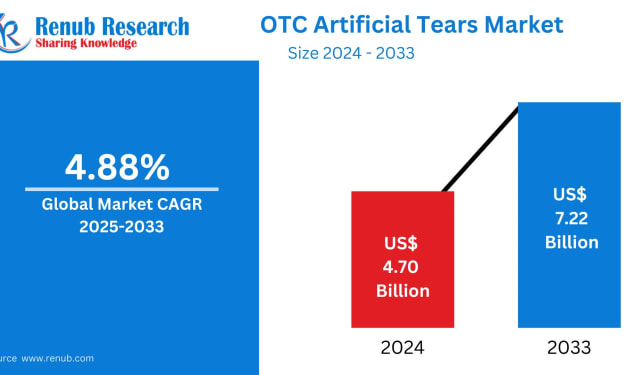
Global OTC Artificial Tears Market Size and Forecast, 2025–2033
Introduction The global healthcare landscape is undergoing a rapid transformation driven by self-care, accessibility, and consumer empowerment. Among the many over-the-counter (OTC) product categories gaining traction, artificial tears stand out as one of the fastest-growing segments within ophthalmic care. Once regarded as a simple comfort product, artificial tears are now central to everyday eye health routines for millions of people worldwide.
By Marthan Sir3 days ago in Longevity



Comments
There are no comments for this story
Be the first to respond and start the conversation.