
Understanding Bipolar Disorder: My Personal Journey
Bipolar disorder: Symptoms, diagnosis, treatment, and personal experiences. Learn more here.

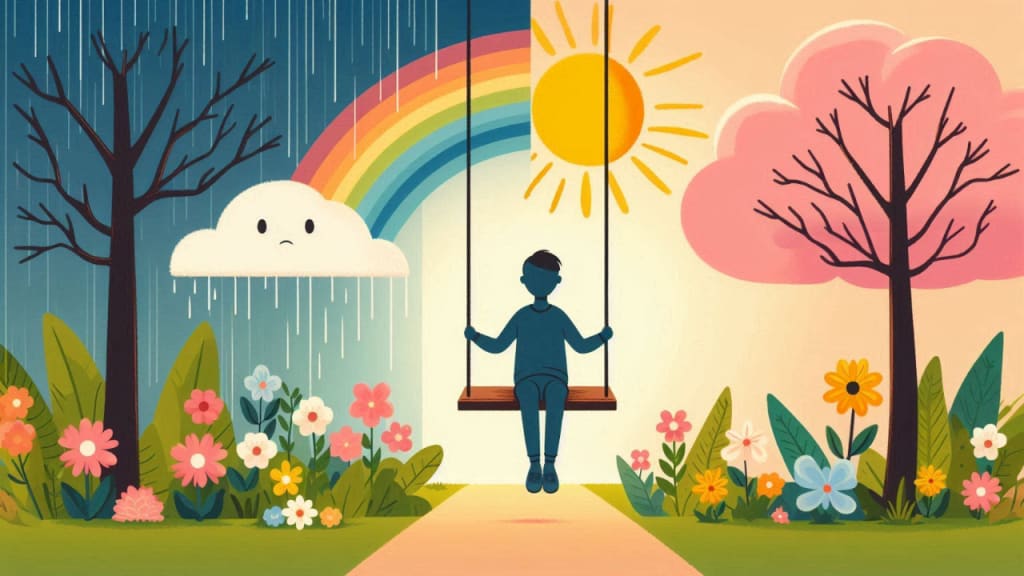
What is Bipolar Disorder?
Bipolar disorder, also known as manic-depressive illness, is a mental health condition characterized by extreme mood swings that include emotional highs (mania or hypomania) and lows (depression). These shifts in mood and energy levels can significantly impact one's daily activities and relationships.
Types of Bipolar Disorder
There are several types of bipolar disorder, including:
- Bipolar I Disorder: Defined by manic episodes that last at least seven days or by manic symptoms that are so severe that immediate hospital care is needed. Depressive episodes occur as well, typically lasting at least two weeks.
- Bipolar II Disorder: Characterized by a pattern of depressive episodes and hypomanic episodes, but not the full-blown manic episodes that are typical of Bipolar I Disorder.
- Cyclothymic Disorder: Periods of hypomanic symptoms as well as periods of depressive symptoms lasting for at least two years (one year in children and adolescents), but the symptoms do not meet the diagnostic requirements for a hypomanic episode and a depressive episode.
Common Symptoms of Bipolar Disorder
Bipolar symptoms can vary and include both manic and depressive episodes:
- Manic Symptoms: Increased energy, euphoria, reduced need for sleep, unusual talkativeness, racing thoughts, distractibility, and inflated self-esteem.
- Depressive Symptoms: Feelings of sadness, emptiness, hopelessness, decreased energy, changes in sleep patterns, significant weight change, difficulty concentrating, and thoughts of death or suicide.
How Bipolar Disorder is Diagnosed
Bipolar diagnosis involves a comprehensive evaluation by a mental health professional. This typically includes a physical exam, psychiatric assessment, and mood charting. It's important to distinguish bipolar disorder from other mental health conditions that may cause similar symptoms.
What Causes Bipolar Disorder?
The exact cause of bipolar disorder is unknown, but a combination of genetics, environment, and altered brain structure and chemistry may play a role. Risk factors include having a first-degree relative with the condition, periods of high stress, drug or alcohol abuse, and major life changes or traumatic events.
Treatment Options
- Medication: Bipolar medication is often the cornerstone of treatment, including mood stabilizers, antipsychotic medications, and antidepressants. Finding the right medication can be a process of trial and error, as it varies from person to person.
- Therapy: Psychotherapy, such as cognitive-behavioral therapy (CBT), can help manage bipolar symptoms. Therapy provides tools to identify negative patterns and develop coping strategies.
- Lifestyle Changes: Adopting a healthy lifestyle is crucial in managing bipolar disorder. This includes maintaining a regular routine, exercising regularly, eating a balanced diet, and ensuring sufficient sleep.
Living with Bipolar Disorder
Living with bipolar disorder presents daily challenges. Managing relationships and social life can be difficult due to the unpredictability of mood swings. However, with proper treatment and support, individuals can lead fulfilling lives.
Daily Challenges
One of the biggest challenges is dealing with the stigma associated with mental illness. People often misunderstand behaviors associated with bipolar disorder, leading to misconceptions and prejudice. This can impact self-esteem and relationships.
Managing Relationships and Social Life
It's important to educate friends and family about bipolar disorder to foster understanding and support. Open communication can strengthen relationships and provide a support network.
Coping Strategies
Therapy and Support Groups
Therapy, particularly CBT, is invaluable. Support groups offer a sense of community and shared understanding. Listening to others' experiences provides comfort and practical advice.
Healthy Lifestyle Habits
Maintaining a healthy lifestyle, including regular exercise, a balanced diet, and good sleep hygiene, can help manage bipolar symptoms. Recognizing and avoiding triggers is also essential.
My Journey with Bipolar Disorder

My History: The Start of a Journey
I fist encountered bipolar disorder in my teenage years. I experienced periods of extreme energy and euphoria, followed by deep sadness and hopelessness. These mood swings were confusing for me and those around me. The mania filled me with boundless confidence and creativity, while the depression dragged me into an abyss that seemed impossible to escape.
The Diagnosis
I was diagnosed at 21 after years of emotional ups and downs that affected my studies and personal relationships. It was a relief to name what I was experiencing, but also terrifying. My psychiatrist explained that bipolar disorder is a lifelong condition that requires constant management. I began taking mood stabilizers and attending therapy regularly.
Daily Challenges
Facing stigma and managing bipolar medication were significant hurdles. People often misinterpreted my behavior as unreliable or overly emotional, which affected my self-esteem.
Finding the right medication was a trial-and-error process, but eventually, I found a combination that worked. However, the discipline of taking daily medication and dealing with side effects required immense mental strength.
Strategies for Survival
Cognitive-behavioral therapy (CBT) became an invaluable tool. It helped me identify negative thought patterns and develop strategies to manage my moods. Joining a support group for people with bipolar disorder provided a network of understanding and solidarity. Listening to others' stories made me feel less alone and gave me hope.
Adopting a healthy lifestyle was also crucial. Maintaining a daily routine, exercising regularly, and following a balanced diet positively impacted my emotional well-being. Regular sleep became a priority, as sleepless nights often triggered manic episodes.
Lessons Learned
Living with bipolar disorder has taught me a lot about resilience. Despite the challenges, I've learned to accept my limitations and celebrate my achievements, no matter how small.
This experience has also made me more empathetic towards others struggling with mental health issues. I've discovered the importance of self-acceptance and the need to take care of oneself both mentally and physically.
The support of my community has been fundamental. As my friends and family learned more about bipolar disorder, they became my greatest allies. Openness and honest communication have strengthened our relationships and given me the courage to move forward.
Resilience and Hope for the Future
Living with bipolar disorder is a continuous journey of managing symptoms, seeking support, and maintaining hope. With the right treatment and a strong support system, individuals with bipolar disorder can lead fulfilling lives.
Resilience, empathy, and self-acceptance are crucial components of this journey, reminding us that we are not alone and that hope is always within reach.
About the Creator
Jose Mejia
I am an accountant and blogger, combining years of finance experience with a love for technology. On my blog, I break down complex accounting regulations and tech trends into accessible and inspiring content for everyone.
Keep reading
More stories from Jose Mejia and writers in Longevity and other communities.
Day 4 of Quitting
If this is how sobriety feels, maybe it’s better to go through life a little buzzed… this, along with other hits like, I want to kill myself, I wish I was dead, and I’m going to throw myself off a bridge have been the only thoughts on rotation these past few days. I promise myself that if, in a month, I still feel like this (‘this’ meaning despondent, full of rage, and simultaneously numb) I can go back to smoking. Until mid-February though? Nicotine is off the table.
By sleepy drafts15 days ago in Longevity
I Looked Strong to Everyone, but I Was Falling Apart in Silence
Everyone thought I was strong. I was the one who checked on others, met deadlines, showed up with a smile, and said, “I’m good” without hesitation. If strength had a face, people told me it looked like mine.
By Fazal Hadi5 days ago in Longevity




Comments
There are no comments for this story
Be the first to respond and start the conversation.