
Understanding Appetite Suppressants
Benefits, Types, and Safety Considerations

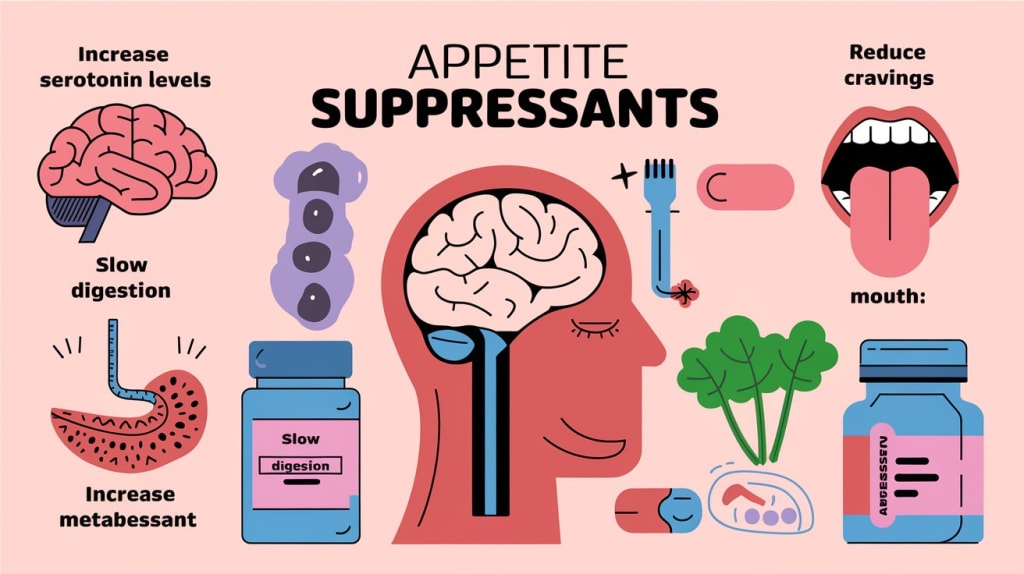
Appetite suppressants have emerged as a significant tool in weight management, offering potential support for individuals struggling with portion control and food cravings. These substances work by altering the body's hunger signals and creating a sensation of fullness, ultimately helping people consume fewer calories.
How Appetite Suppressants Work
The mechanism of appetite suppressants typically involves interaction with the body's neurotransmitters, particularly serotonin and norepinephrine. These brain chemicals play crucial roles in appetite regulation and mood. By increasing their levels or enhancing their effects, appetite suppressants can reduce hunger sensations and help maintain a caloric deficit necessary for weight loss.
Types of Appetite Suppressants
Prescription appetite suppressants represent the most potent and carefully regulated options. These medications, such as Phentermine and Liraglutide, require physician oversight and are typically reserved for individuals with clinically significant obesity or weight-related health conditions. They often demonstrate the most substantial evidence for effectiveness but may also carry more significant side effects.
Natural appetite suppressants have gained popularity as alternatives to prescription medications. Common examples include:
- Fiber supplements like glucomannan, which expand in the stomach
- Green tea extract, containing compounds that may boost metabolism
- Caffeine, which can temporarily reduce appetite and increase energy expenditure
- Protein supplements, which promote satiety and help maintain muscle mass
Certain foods naturally suppress appetite through various mechanisms. High-fiber vegetables, protein-rich foods, and healthy fats can significantly impact satiety hormones and prolong the feeling of fullness after meals.
The safety profile of appetite suppressants varies significantly based on the type and source. Prescription medications undergo rigorous clinical trials and FDA approval processes but may still present risks. Common side effects can include:
- Increased heart rate and blood pressure
- Digestive issues
- Sleep disturbances
- Mood changes
- Dry mouth
Natural supplements, while generally considered safer, require careful consideration as they lack the same level of regulatory oversight. Users should research thoroughly and consult healthcare providers before beginning any supplement regimen.
Effectiveness and Limitations
While appetite suppressants can be effective tools for weight management, they work best as part of a comprehensive approach to weight loss. Research indicates that their effectiveness often peaks within the first few months of use, highlighting the importance of developing sustainable lifestyle habits alongside their use.
Success rates vary significantly among individuals, and factors such as:
- Genetic predisposition
- Underlying health conditions
- Lifestyle habits
- Dietary choices
can all impact results.
To maximize benefits while minimizing risks, consider these guidelines:
1. Always consult healthcare providers before starting any appetite suppressant
2. Begin with the lowest effective dose
3. Monitor for side effects and adjust accordingly
4. Combine with proper nutrition and regular exercise
5. Set realistic expectations for results
6. Develop a plan for maintaining results after discontinuing use
The long-term success of weight management extends beyond appetite suppression alone. Sustainable results typically require:
- Development of healthy eating habits
- Regular physical activity
- Stress management techniques
- Adequate sleep
- Emotional support systems
Understanding that appetite suppressants serve as tools rather than solutions helps maintain realistic expectations and encourages the development of lasting lifestyle changes.
Conclusion
Appetite suppressants offer potential benefits for weight management when used appropriately and as part of a comprehensive approach to health. Success depends on choosing the right option based on individual needs, maintaining medical supervision when necessary, and developing sustainable habits that support long-term weight management goals.
About the Creator
K. B.
Dedicated writer with a talent for crafting poetry, short stories, and articles, bringing ideas and emotions to life through words.
You’re Probably Shortening Your Life Without Realizing It (Here’s the Simple Fix Nobody Talks About)
Most people don’t think they’re making choices that shorten their life. They assume that serious health problems come from obvious risks—smoking, extreme stress, or poor genetics. But the reality is far more subtle. The biggest impact on longevity often comes from small, repeated habits that feel harmless in the moment.
By Lukáš Hrdlička7 days ago in Longevity



Comments
There are no comments for this story
Be the first to respond and start the conversation.