
Types of Hair Transplants
There are Many Types of Hair Transplants Available to Those Seeking One

Introduction
Hair loss can be a source of immense frustration and insecurity for many people. Fortunately, there are several hair transplant options available to help those suffering from baldness or thinning hair regain their confidence. From follicular unit extraction (FUE) to scalp micropigmentation (SMP), there is an option that fits every budget and desired outcome.
In this blog post, we'll explore the different types of hair transplants available today, discussing the pros and cons of each so you can make an informed decision about which procedure is right for you. Read on to learn more!
What are the Types of Hair Transplants?
There are several types of hair transplants available on the market today. The two main kinds are known as Follicular Unit Transplant (FUT) and Follicular Unit Extraction (FUE). Both of these hair transplant procedures involve harvesting donor grafts from the back or sides of the scalp and relocating them to areas of the scalp where hair has thinned or been lost.
The FUT technique involves removing a strip of skin from the donor area, which is usually located at the back or side of the head, and then separating that skin into individual follicular units (or "grafts"). These grafts are then re-implanted in areas of the scalp where hair has been lost or thinned.
The FUE technique involves removing individual follicular units from the donor area and implanting them into areas of the scalp that need it most. This can be done with a specialized instrument, such as a derma roller or special needle, to make tiny incisions in the skin and then extract the follicular units.
The new hair growth that results from both techniques is permanent and natural-looking, although FUE often requires multiple sessions. Both procedures require a certain degree of skill and expertise on the part of the surgeon, so it is important to choose a highly experienced practitioner such as the Lumen Center when undergoing either procedure.
Benefits of FUT
Follicular Unit Transplantation (FUT) is a commonly used hair transplant procedure that involves harvesting healthy donor hair follicles from the back or sides of the scalp. The follicles are then transplanted to areas on the scalp where there is thinning or balding. This type of hair restoration can be useful for both men and women struggling with baldness or hair loss.
One of the main advantages of FUT is that it creates very natural-looking results, as each follicle is transplanted in its own individual unit. This ensures that new hairs grow in a direction and pattern that is similar to your existing hairline. FUT can also yield a higher density of donor hair than other methods due to the fact that it transplants large sections of hair at once.
Another advantage of FUT is its relatively short recovery time. Most patients can go back to work within a few days after their procedure and experience only mild discomfort. In comparison, other hair transplant procedures often require longer healing times and may be more uncomfortable.
Benefits of FUE
Follicular Unit Extraction (FUE) is a type of hair transplant that takes healthy hair from other parts of the body and moves it to the area where more hair is needed. The process involves extracting individual follicles from the donor area and transplanting them into small slits in the recipient area. FUE can be used to treat both male and female pattern baldness, as well as any other type of hair loss.
The benefits of FUE include:
- Minimally Invasive - The procedure is minimally invasive and does not require the use of stitches, staples or scalpels. This helps reduce recovery time and minimize scarring.
- Natural-Looking Results - FUE transplants create natural-looking results that blend in with existing hair.
- Quick Recovery Time - The recovery time for FUE is faster than other types of hair transplants. You’ll be able to return to your normal activities earlier than with other procedures.
- Low Risk of Complications - Since the procedure is minimally invasive, there is a low risk of complications or side effects.
- Cost Effective - FUE is one of the most cost-effective hair transplant methods available. It’s an excellent choice for those looking to save money but still get great results.
Benefits of Scalp Micropigmentation
Scalp micropigmentation (SMP) is an increasingly popular alternative to traditional hair transplants for those looking to restore or improve the appearance of their hair. Unlike a traditional hair transplant, which involves surgically removing and re-implanting donor follicles, SMP involves the application of tiny amounts of pigment to the scalp to create the appearance of a full head of hair.
The main benefit of SMP is that it’s less invasive than traditional hair transplant methods and requires no surgery or downtime. It also offers an immediate improvement in the appearance of thinning hair, so you can see results within just one session. The procedure is also relatively inexpensive compared to more traditional hair transplant methods, making it an attractive option for those who don’t want or can’t afford more expensive procedures.
In addition, SMP is completely customizable based on your individual goals and hair type, so you can create the exact look you desire. The results are also long-lasting--with proper aftercare, the pigment should last for years before needing to be refreshed.
Conclusion
No matter your hair loss situation, there is a type of hair transplant that can help you restore the look and feel of natural-looking locks. Whether it’s FUE or FUT, scalp micropigmentation, eyebrow transplants or something else entirely, each procedure has its own benefits and drawbacks. Therefore, it’s important to do your research before making any decisions about which method is right for you.
Talk with a medical professional who specializes in hair restoration surgery and have them evaluate your individual needs so they can recommend an appropriate course of action. With the right guidance, you will be able to find the best solution for restoring healthy looking hair no matter what kind of baldness pattern or thinning issue you may be facing.
About the Creator
Keep reading
More stories from Jake Peter and writers in Longevity and other communities.
Benefits of CoolSculpting
Introduction CoolSculpting is a revolutionary technology that can help you get rid of stubborn fat without the need for surgery or downtime. It uses cold temperatures to freeze and destroy fat cells, reducing the size of targeted areas in your body. CoolSculpting has been proven to be safe and effective with minimal side effects. This non-invasive procedure can provide long-lasting results in just one session, making it an attractive option for those looking to reshape their bodies without any major lifestyle changes or risks associated with surgery.
By Jake Peter3 years ago in Longevity
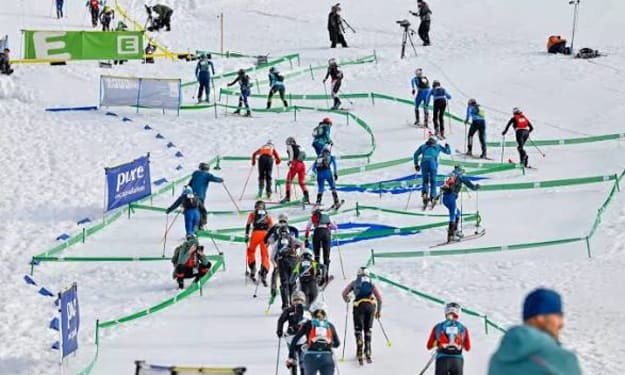
Ski Mountaineering Is About to Make Its Olympic Debut
The Winter Olympics are set to welcome a new discipline: ski mountaineering, a sport that combines the endurance of alpine climbing with the speed and skill of downhill skiing. This marks the first time the sport will be featured on the Olympic stage, a milestone that athletes and enthusiasts have long anticipated. Ski mountaineering, sometimes called “skimo,” challenges competitors to ascend and descend mountain terrain using both skis and mountaineering equipment, testing stamina, agility, and technical prowess. The Rise of Ski Mountaineering Ski mountaineering has a long history in alpine regions of Europe, particularly in countries like France, Italy, and Switzerland, where mountain culture and winter sports traditions are deeply ingrained. Over the decades, the sport evolved from a niche alpine pastime into a competitive discipline with structured races and international championships. The International Ski Mountaineering Federation (ISMF) has played a crucial role in standardizing rules, organizing competitions, and promoting global participation. Athletes compete in events that combine uphill climbs, technical ridge traverses, and downhill skiing, often covering distances of several kilometers at high altitude. Races demand not only physical endurance but also strategic use of equipment, energy management, and environmental awareness. Competitors must switch seamlessly between climbing skins, alpine skis, and mountaineering gear while maintaining peak performance. Olympic Inclusion The International Olympic Committee (IOC) announced that ski mountaineering will debut in the 2026 Winter Games, recognizing the sport’s growing popularity and alignment with the Olympic ethos of pushing human physical limits. Organizers have introduced multiple events, including individual races, sprint formats, and team competitions. These events are designed to showcase the sport’s dynamic combination of endurance, technique, and speed. The Olympic inclusion represents a significant step for skimo athletes, who have previously competed primarily in European and world cup circuits. The Games will provide global exposure, increase sponsorship opportunities, and inspire new participants to take up the sport. Many athletes see this as the culmination of years of advocacy and dedication to legitimizing ski mountaineering as a competitive discipline. Athlete Preparation and Challenges Competing at the Olympic level requires intensive training, often involving a combination of aerobic conditioning, strength training, technical skiing, and high-altitude acclimatization. Athletes must master transitions between uphill and downhill segments while navigating challenging mountain terrain. In addition, environmental factors such as snow conditions, weather, and altitude add unpredictability to each race, requiring flexibility and mental resilience. Top athletes have described ski mountaineering as one of the most physically and mentally demanding winter sports. Endurance is critical, but success also depends on tactical decision-making and efficient energy management. “It’s about pushing yourself to the limit while staying in control,” said one European competitor. “Every second counts, and one small mistake can change the outcome of the race.” Growing Popularity Interest in ski mountaineering has grown significantly, particularly among younger athletes seeking alternatives to traditional alpine skiing, snowboarding, and cross-country skiing. Training camps, competitions, and online communities have fueled participation worldwide, while technological advances in lightweight skis, bindings, and climbing equipment have made the sport more accessible. The Olympic debut is expected to accelerate this trend. National teams are now investing in talent development, coaching, and equipment, and the sport is poised to gain fans across Europe, North America, and Asia. The visibility provided by the Olympics is likely to inspire a new generation of athletes to explore mountain terrain and pursue skimo competitively. Looking Ahead Ski mountaineering’s Olympic debut is more than just a new event; it reflects the evolution of winter sports toward dynamic, high-endurance disciplines that celebrate both athleticism and adventure. As the 2026 Winter Games approach, athletes, organizers, and fans are eagerly anticipating the spectacle of endurance, skill, and strategy on the slopes. For competitors, the Games represent a culmination of years of training and a historic opportunity to elevate ski mountaineering onto the world stage. With ski mountaineering now in the spotlight, the sport is expected to grow in prominence, attracting enthusiasts and professionals alike, while inspiring broader interest in alpine sports, outdoor adventure, and high-altitude endurance challenges. The debut promises to be an unforgettable chapter in Winter Olympics history.
By Fiaz Ahmed 4 days ago in Longevity
Rise in Half-Term Holiday Bookings After Rainy January
A surge in half-term holiday bookings has been reported across the UK following one of the wettest and dullest Januarys in recent years, as families seek sunshine and a change of scenery after weeks of persistent rain and cold weather. Travel companies say demand for February half-term trips has increased sharply, with popular destinations including Spain, the Canary Islands, Turkey, and parts of the Middle East. Domestic breaks have also seen a boost, particularly in countryside and coastal areas, as people look to escape the gloomy conditions experienced at the start of the year. According to forecasters at the Met Office, much of the UK experienced above-average rainfall and limited sunshine throughout January, contributing to low public morale and a strong desire for travel. “After such a grey and wet start to the year, many families are looking for a mental and physical reset,” said one senior travel industry executive. “Half-term offers the perfect opportunity to get away, and bookings reflect that mood.” Families Lead the Travel Boom Tour operators report that families with school-aged children are driving the increase in demand. With limited travel opportunities during term time, half-term remains one of the busiest periods of the year for leisure travel. Beach destinations are proving especially popular, with resorts in southern Europe and North Africa offering warmer temperatures and family-friendly packages. Ski resorts in France, Austria, and Switzerland have also seen higher booking levels, helped by improved snow conditions following an inconsistent start to the winter season. One London-based parent said the decision to book a holiday was spontaneous. “We were stuck indoors for weeks because of the rain. As soon as half-term came up, we decided we needed a break somewhere bright and warm.” Industry Sees Economic Lift The travel sector has welcomed the uptick in bookings as a sign of renewed consumer confidence after a difficult period marked by high living costs and inflation. The Association of British Travel Agents (ABTA) said the pattern suggests that households are prioritizing experiences despite financial pressures. “Even with tight budgets, families still want something to look forward to,” an ABTA spokesperson said. “We’re seeing people booking shorter trips or choosing budget-friendly destinations, but they are booking in large numbers.” Travel analysts say the rainy January created a psychological push toward travel, with many consumers reacting emotionally rather than purely financially. Social media trends showing sunny beaches and winter sun deals also contributed to the sudden spike in interest. Domestic Tourism Benefits Too It is not only overseas holidays seeing growth. UK holiday parks, countryside cottages, and spa hotels have reported increased reservations for half-term week. Businesses in regions such as Cornwall, the Lake District, and parts of Wales say families are opting for short domestic breaks rather than longer foreign trips, partly due to convenience and cost. A hotel owner in Devon said enquiries doubled compared with the same period last year. “People just want to get out of their homes and enjoy some fresh air. Even if the weather is still cool, a change of environment makes a big difference.” Weather’s Powerful Influence Experts note that weather plays a major role in travel decisions, particularly during winter months when people are more sensitive to prolonged cold and rain. Psychologists say gloomy weather can affect mood and motivation, increasing the desire for sunshine and outdoor activities. January’s persistent rain and limited daylight may have intensified that effect this year. Some airlines have added extra capacity on popular routes, while budget carriers have reported fuller flights than expected for the February period. Travel websites have also recorded higher search volumes for destinations associated with warmth and sunshine, suggesting that “winter escape” travel has become more emotionally driven. Cost and Accessibility Despite rising interest, cost remains a key factor. Many families are booking earlier in order to secure discounts, while others are opting for shorter stays or off-peak flights. Package holidays continue to dominate, as they offer fixed prices and reduce uncertainty around accommodation and transport costs. Travel agents say there has been increased interest in all-inclusive resorts, where families can manage spending more easily without worrying about daily expenses. Looking Ahead Industry experts believe the trend could continue into the Easter holidays if weather conditions remain unsettled in the UK. However, they caution that sustained demand will depend on economic stability and consumer confidence. For now, the post-January travel surge reflects a broader desire to reclaim leisure time after a long and difficult winter start. “People feel they deserve a break,” said one travel consultant. “After weeks of rain, the idea of sunshine or even just a different place has become incredibly appealing.” As half-term approaches, airports and tourist destinations are preparing for a busy period, while families across the country count down the days to a well-earned escape from the lingering winter blues.
By Fiaz Ahmed 7 days ago in Longevity



Comments