
Top 8 Cosmetic Dentistry Procedures
Cosmetic dentistry is an area of dentistry that focuses on improving the appearance of the teeth, gums, and overall smile. It includes many procedures that help achieve a perfect smile, increase self-esteem, and improve overall oral health. In this article, we look at eight of the most popular cosmetic dental treatments.

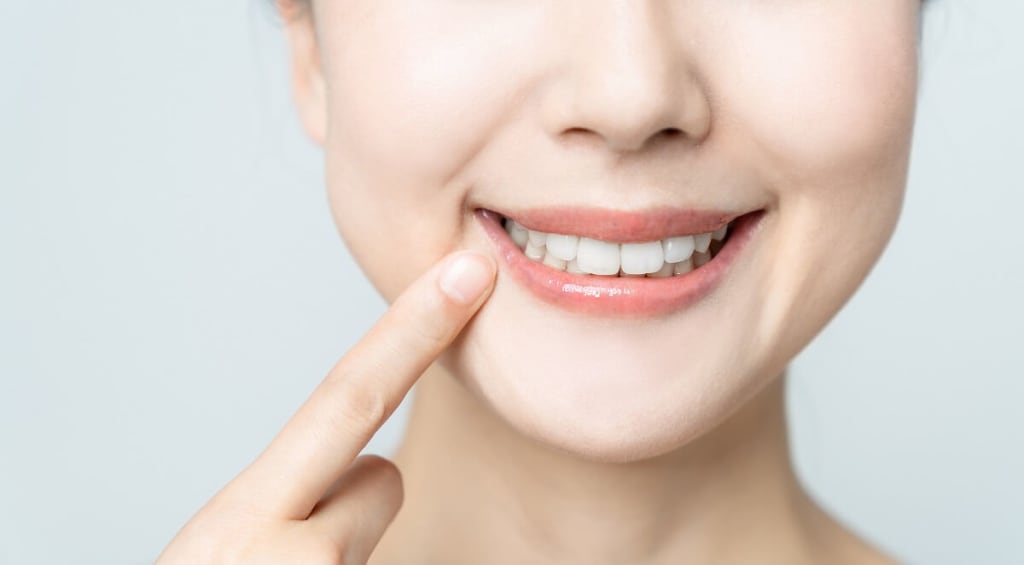
Cosmetic dentistry is an area of dentistry that focuses on improving the appearance of the teeth, gums, and overall smile. It includes many procedures that help achieve a perfect smile, increase self-esteem, and improve overall oral health. In this article, we look at eight of the most popular cosmetic dental treatments.
1. Teeth whitening
Teeth whitening is one of the most popular procedures in cosmetic dentistry. As we age, teeth can darken from coffee, tea, wine, tobacco, and other factors. Whitening procedures can restore teeth's whiteness and shine. Professional whitening at the dentist gives quick and visible results, usually using special gels based on hydrogen peroxide. Home whitening consists of a kit that the doctor can give to the patient at home, including whitening gel and specially-made trays.
2. Dental veneers
Veneers are thin ceramic shells bonded to the front of the teeth to improve their appearance. They can hide defects like cracks, chips, stains, and uneven surfaces. One of the main benefits of veneers is their natural appearance, as porcelain veneers have a color and translucency similar to natural tooth enamel. Veneers are also durable and can last 10 to 15 years or more with proper care. Veneer placement requires minimal removal of tooth enamel, making the procedure minimally invasive.
3. Teeth cleaning
Teeth cleaning is a procedure for removing plaque and tartar using an ultrasonic device. It prevents gum disease and cavities and improves the appearance of your teeth. The procedure includes removing plaque and calculus, polishing the teeth with a special paste to remove residual stains and smooth them, and fluoridation, which involves applying fluoride gel to strengthen tooth enamel and protect it from cavities.
4. Dental implants
During dental implantation, artificial tooth roots are installed, to which crowns or bridges are attached. This is an excellent solution to replace missing teeth, providing strength and a natural appearance. The implantation process includes several phases: consultation and planning, a surgical phase, an osseointegration phase, which can last several months, and the placement of the crown. The implants are made of titanium, which adapts well to the jawbone and provides a reliable basis for further restoration.
5. Dental restoration
Dental restoration is a cosmetic dentistry procedure that restores the form, function, and aesthetics of teeth using composite materials. Restorations can be made directly in the mouth or indirectly made in the laboratory and then placed in the mouth. Modern materials allow for high esthetics and minimal invasiveness, requiring minimal removal of healthy dental tissue. The restored teeth fully fulfill their function.
6. Orthodontic appliances and aligners
Braces and aligners are orthodontic aids that help correct your bite and straighten your teeth. Orthodontic appliances can be made of metal, ceramic, or sapphire, with clear, removable aligners. Orthodontic appliances are suitable for complex cases and can be visible (especially metal appliances). Ceramic braces are less visible but just as effective. Conversely, Aligners are less visible and less comfortable but are suitable for correcting mild to moderate cases.
7. Crowns
Crowns are used to restore severely damaged teeth. They cover the entire visible part of the tooth and thus ensure its protection and improve its appearance. Materials for crowns can be different: metal-ceramic, which combines a metal base and a ceramic coating; ceramic, which is used for front teeth because of its aesthetics; and zirconium, which has strength and high aesthetics and is suitable for all teeth.
8. Bridges
Bridges are used to replace one or more missing teeth. They are attached to adjacent teeth or implants and restore the function and appearance of the denture. Traditional bridges are attached to adjacent teeth with crowns; Implant bridges are attached to existing implants, preventing the grinding of adjacent teeth. Adhesive bridges are attached using special wings bonded to neighboring teeth.
About the Creator
Amelia Grant
I am journalist, and blogger.
Keep reading
More stories from Amelia Grant and writers in Longevity and other communities.
Conquering Heel Pain: Understanding and Managing Plantar Fasciitis
Heel pain is a common complaint among adults, and one of the leading causes is plantar fasciitis. This condition can be both painful and frustrating, affecting daily activities and overall quality of life. Understanding what plantar fasciitis is, how to manage it, and when to consider surgery can help you take steps toward relief.
By Amelia Grantabout a year ago in Longevity
Day 4 of Quitting
If this is how sobriety feels, maybe it’s better to go through life a little buzzed… this, along with other hits like, I want to kill myself, I wish I was dead, and I’m going to throw myself off a bridge have been the only thoughts on rotation these past few days. I promise myself that if, in a month, I still feel like this (‘this’ meaning despondent, full of rage, and simultaneously numb) I can go back to smoking. Until mid-February though? Nicotine is off the table.
By sleepy drafts7 days ago in Longevity




Comments
There are no comments for this story
Be the first to respond and start the conversation.