
Top 5 Symptoms of Vitamin D Deficiency: What Your Body Might Be Telling You
Are You Low in Vitamin D? Here Are the Top 5 Symptoms to Watch For
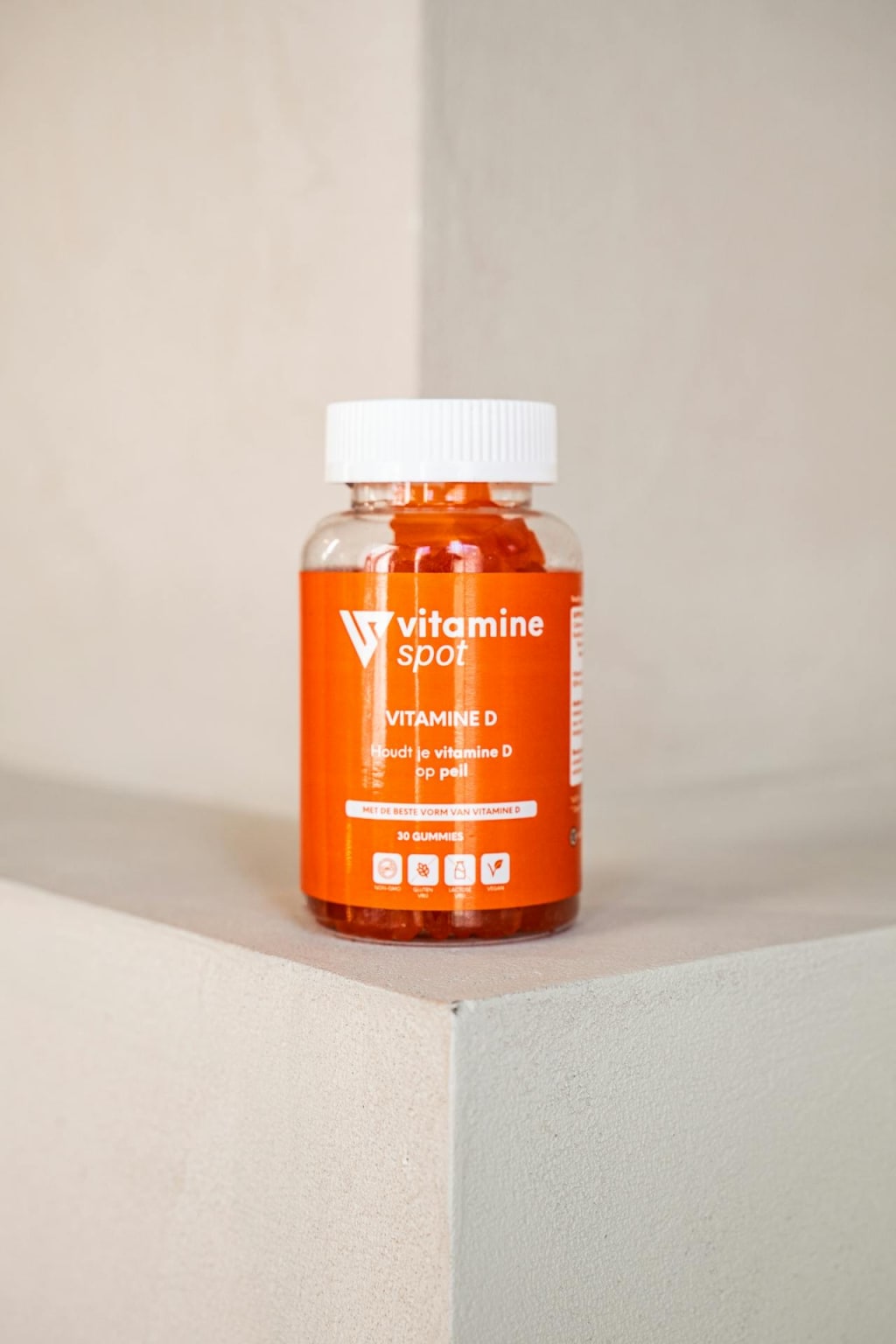
Top 5 Symptoms of Vitamin D Deficiency: What Your Body Might Be Telling You
Vitamin D, often called the “sunshine vitamin,” is essential for strong bones, a robust immune system, and overall well-being. Unfortunately, millions of people around the world suffer from Vitamin D deficiency without even realizing it. If left unchecked, it can contribute to a wide range of health issues. In this article, we’ll explore the top 5 symptoms of Vitamin D deficiency, how to recognize them, and what you can do to correct it.
Why Is Vitamin D Important?
Vitamin D plays a vital role in calcium absorption, immune system regulation, and even mood balance. Your body produces it when your skin is exposed to sunlight, but it can also be obtained through foods and supplements. Despite its importance, deficiency is common—especially in people who live in colder climates, spend little time outdoors, or have darker skin.
⸻
1. Fatigue and Low Energy
Do you feel tired all the time despite getting enough sleep? Fatigue is one of the most overlooked signs of Vitamin D deficiency. Studies have shown that low levels of this vitamin are linked to chronic tiredness and decreased stamina. If you’re constantly feeling drained or sluggish, your body might be crying out for more Vitamin D.
⸻
2. Bone and Joint Pain
Vitamin D helps your body absorb calcium, which is essential for maintaining strong bones. A deficiency can lead to dull, aching pain in your bones—particularly in the lower back and legs. It may also contribute to joint discomfort and increase the risk of conditions like osteoporosis and fractures, especially in older adults.
⸻
3. Mood Changes and Depression
Vitamin D has a significant effect on brain function. Several studies have linked low levels of it to mood disorders, including depression. People with a deficiency may experience mood swings, irritability, or even symptoms of Seasonal Affective Disorder (SAD), especially during winter months.
⸻
4. Frequent Illness or Infections
Getting sick more often than usual? Vitamin D is crucial for a strong immune response. Deficiency has been associated with increased susceptibility to infections such as colds, flu, and even respiratory conditions. If you’re constantly battling illnesses, it could be due to low Vitamin D levels impairing your immune defenses.
⸻
5. Hair Loss and Thinning
While stress and genetics often cause hair loss, Vitamin D deficiency can also be a contributing factor. Low levels can disrupt the hair growth cycle, leading to thinning or even severe hair shedding in some cases. This is especially true in conditions like alopecia areata, an autoimmune disease linked to low Vitamin D.
⸻
What Causes Vitamin D Deficiency?
Several factors can lead to low Vitamin D levels, including:
• Limited sun exposure
• Poor dietary intake
• Darker skin (melanin reduces vitamin D production)
• Obesity (Vitamin D gets trapped in fat cells)
• Certain medical conditions (like kidney or liver disorders)
⸻
How to Boost Your Vitamin D Levels
• Get more sunlight: Aim for 10–30 minutes of midday sun, a few times a week.
• Eat Vitamin D-rich foods: Such as fatty fish (salmon, tuna), egg yolks, and fortified foods (milk, cereal).
• Consider supplements: Especially in winter months or if your doctor recommends it after a blood test.
⸻
Final Thoughts
Vitamin D deficiency is more common than you think—and its symptoms are often mistaken for other health issues. If you’re experiencing fatigue, bone pain, frequent infections, or mood changes, it might be time to check your Vitamin D levels. A simple blood test can provide clarity, and the right treatment can make a world of difference in your health and energy levels.
⸻
FAQ:
Q: Can Vitamin D deficiency cause muscle weakness?
Yes, low levels of Vitamin D can lead to muscle weakness and discomfort, particularly in the legs and hips.
Q: How is Vitamin D deficiency diagnosed?
Through a blood test called 25-hydroxyvitamin D (25(OH)D). Levels below 20 ng/mL are generally considered deficient.
Q: How long does it take to fix a Vitamin D deficiency?
It varies, but with supplements and lifestyle changes, many people see improvement in a few weeks to months.
About the Creator
Millicent Chisom
Hi there! I'm Millicent Chisom, a medical student with a deep love for all things health, wellness, and of course—desserts! When I’m not immersed in medical textbooks or studying for exams,
Keep reading
More stories from Millicent Chisom and writers in Longevity and other communities.
Eat to Live: 10 Superfoods That Help You Stay Young, Strong, and Thriving
What if the secret to a longer life wasn’t in a pill or a high-end supplement—but sitting quietly in your kitchen? In a world overflowing with fast food, sugary treats, and ultra-processed meals, nature still offers us powerful foods that do more than just fill us up. These are superfoods—nutrient-rich, disease-fighting, energy-boosting gifts from the earth that fuel not just the body, but the mind and soul.
By Millicent Chisom10 months ago in Longevity
Day 4 of Quitting
If this is how sobriety feels, maybe it’s better to go through life a little buzzed… this, along with other hits like, I want to kill myself, I wish I was dead, and I’m going to throw myself off a bridge have been the only thoughts on rotation these past few days. I promise myself that if, in a month, I still feel like this (‘this’ meaning despondent, full of rage, and simultaneously numb) I can go back to smoking. Until mid-February though? Nicotine is off the table.
By sleepy drafts12 days ago in Longevity
20 Lessons from Dr. Peter Attia That Actually Extend Your Life
Dr. Peter Attia doesn't talk about health the way most doctors do. He's not optimizing for "normal labs," comfort, or what keeps people compliant. He's optimizing for not dying early and not living your last decades weak, dependent, and fragile.
By Destiny S. Harris3 days ago in Longevity



Comments
There are no comments for this story
Be the first to respond and start the conversation.