


The thyroid gland is located 2 to 3 centimeters below the "throat knot", resembling a butterfly and two "shields". Although the adult thyroid gland is only 20 to 30 grams, it is the largest endocrine gland that controls the normal operation of various organs and tissues, so it is called the "life gate" of the neck.

The thyroid gland secretes important "weapons" all the time-thyroid hormones, mainly including triiodothyronine (T3), thyroxine (T4), etc., which regulate the body's energy metabolism and nervous system development. As the "speed-up machine" of cell metabolism, thyroid hormone can improve the work efficiency of the body's organs, but the premise is to bind to the receptor. Receptors are like exclusive "seats". Thyroid hormones can only play a role in "checked seats". In the human body, most organs such as the heart, gastrointestinal and brain "carry" receptors to "attract" thyroid hormones to "assis" work.
The thyroid is small and under pressure. Once it is overwhelmed, various problems will arise. The older you are, the easier it is to "success", especially for women. The prevalence of thyroid nodules was 20.43%, hyperthyroidism was 1.22%, hypothyroidism was 13.95%, and thyroid tumors were 1.7%.
In addition to nodules and tumors that "interfere" the work of the thyroid, congenital thyroid diseases, autoimmune diseases, viral infections, drug toxicity, etc. can cause thyroid damage, leading to hyperthyroidism, hypothyroidism, or hyperthyroidism and then hypothyroidism.

Grave’s disease (Grave’s disease) is an autoimmune disease that can cause immune disorders, stimulate the proliferation of thyroid follicular cells, secrete excessive thyroid hormones, and cause hyperthyroidism. In clinical practice, about 80% of hyperthyroidism is caused by Grave’s disease. In addition, excessive intake of iodine can promote thyroid hormone synthesis and may also induce hyperthyroidism.
Hypothyroidism is another situation. Autoimmune diseases such as Hashimoto's thyroiditis, radioactive iodine 131 treatment, thyroid surgery, thyroid dysplasia, and iodine deficiency can all cause insufficient synthesis and secretion of thyroid hormones, and hypothyroidism. In addition, in subacute thyroiditis caused by viral infection, in the early stage, due to the destruction of thyroid follicular cells, a large amount of thyroid hormone is released into the blood, transient hyperthyroidism will occur. After the hormone release is completed, short-term hypothyroidism will occur, but most Thyroid function in patients with subacute thyroiditis will eventually return to normal.

Once something goes wrong, the whole body suffers
If the level of thyroid hormone is abnormal, almost all organs will be affected. Symptoms of hyperthyroidism are more obvious, such as hypermetabolic symptoms such as sudden eyes, thickened neck, fear of heat, hyperhidrosis, diarrhea, weight loss, and arrhythmia; hypothyroidism is relatively insidious and easy to be ignored, such as inexplicable fatigue, drowsiness, and chill , Edema, memory loss, constipation and other low metabolic manifestations.
Heart: beating involuntarily. The cardiovascular system is an important target organ for thyroid hormones. Zhou Xinrong said that when the level of thyroid hormone is high, the myocardial sympathetic nerves are excited, leading to an increase in heart rate; when the heartbeat becomes faster, blood circulation is accelerated, and the body's metabolic level is "forced" to increase, and the organs begin to operate overloaded; in order to ensure oxygen, With adequate nutrition, the heart has to work harder, and the heart rate further increases. Hypothyroidism is just the opposite, such as slower heartbeat and blood circulation, low blood pressure, and increase the risk of atherosclerosis.
Nervous: Emotions are at two extremes. Under normal circumstances, the nervous system works calmly and regularly; in the state of hyperthyroidism, the brain is supplied with sufficient blood and oxygen, and the sympathetic nerves are over-excited, manifested as spleen, insomnia, and hyperactivity; in the state of hypothyroidism, brain cell metabolism slows down. Sympathetic nerves cannot be excited, showing depression, laziness, sluggishness, depression, etc.
Respiration: Severe hypothyroidism can cause respiratory failure. Lu Bin said that thyroid hormone can promote the diffusion of oxygen in the alveoli. Severe hypothyroidism, especially hypothyroidism crisis, often leads to respiratory failure. In addition, hypothyroidism is often accompanied by mucinous edema of the whole body, especially in the upper respiratory tract, with tongue hypertrophy, loose tongue base and falling, causing airway blockage and hindering normal breathing.
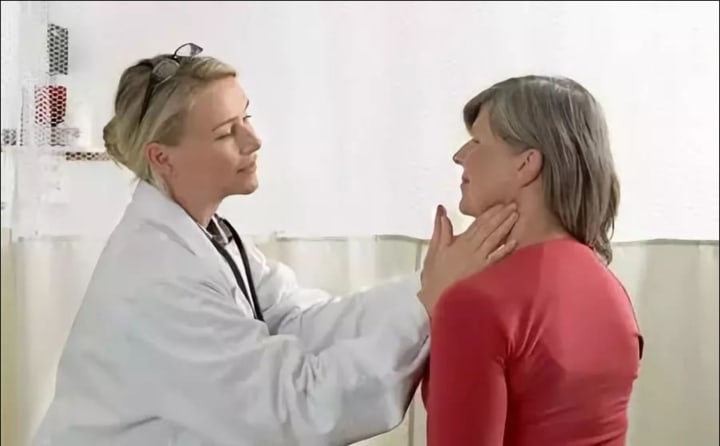
Digestion: Either diarrhea or bloating. The movement of the digestive tract and the secretion of the digestive glands can be "mobilized" by thyroid hormones. Therefore, patients with hyperthyroidism tend to have a strong appetite, fast gastrointestinal motility, rapid decomposition and absorption, and often diarrhea; patients with hypothyroidism have poor appetite, slow gastrointestinal motility, abdominal distension, and constipation.
Reproduction: Eggs and sperm are injured. For women, hyperthyroidism is often accompanied by oligomenorrhea or prolonged menstrual period. Hypothyroidism is menstrual disorders, luteal insufficiency, and follicular dysplasia, which affects conception; even if they are pregnant, premature delivery and miscarriage may occur. For men, disorders of thyroid hormone secretion can affect androgen synthesis and reduce sperm motility.
Blood: Hyperthyroidism suppresses immune cells. For hyperthyroidism caused by autoimmune diseases, the blood system is easily affected. The increase of thyroid hormones in the blood has a direct inhibitory effect on the bone marrow and affects the production of white blood cells or neutrophils. It is manifested as a decrease in the number and a decline in immunity, and it is often relieved as the hyperthyroidism improves. But in severe cases, once the patient has a secondary infection, sepsis and sepsis may occur, which is life-threatening.
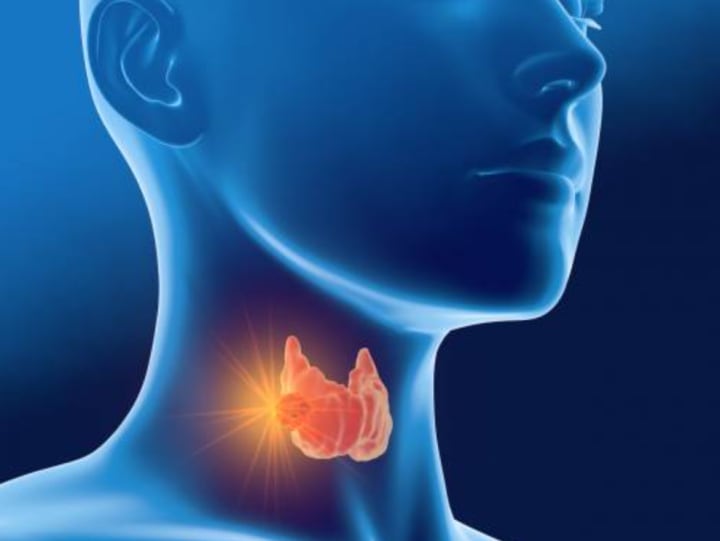
Appearance: Hyperthyroidism causes protrusion of the eyes. Lu Bin said that patients with hyperthyroidism often have thyroid-related eye diseases that impair visual function. This may be due to the expression of thyroid-associated antigens in the orbital connective tissue and extraocular muscles, proliferating fibroblasts and thickening of the tissues behind the eyeball, leading to protruding eyes.
Growth and development: Hypothyroidism leads to nervosa. Thyroid hormones are essential for growth and development, especially the development of nerves and bones. If hypothyroidism occurs in childhood, the development of the brain and bones will seriously lag behind those of the same age, leading to short stature and mental retardation, that is, morbidity.
It is important to combine work and rest and adjust your mood
In recent years, the incidence of thyroid diseases has been increasing, especially thyroid nodules and thyroid cancer, which have aroused public concern. However, because the "culprit" of thyroid dysfunction is not only the thyroid itself, prevention is more difficult, and the core lies in protecting the immune system.
Avoid overwork. Negative emotions such as depression and anxiety, overwork, and high mental stress will not directly affect the thyroid, but it can disrupt the nervous and endocrine systems, cause immune dysfunction, destroy the "compatibility" with self-antigens, and cause the thyroid to be attacked by the immune system. In life, it is recommended to pay attention to work and rest, ensure adequate sleep, and learn to adjust the mood.
Adequate intake of iodized salt. At one time, my country was one of the countries where iodine deficiency diseases were severely endemic in the world. With the implementation of the salt iodization policy, the incidence of "big neck disease" and palsy has been decreasing year by year, but some people questioned that "long-term iodine supplementation may cause excessive iodine." Lu Bin explained that, in fact, most people still get insufficient total iodine in their daily food, and the country has lowered the iodine content of edible salt three times and implemented a policy of "adjusting measures to local conditions". You don't have to worry about excess iodine. Except for special requirements, it is best for normal people to consume iodized salt, and the daily amount of salt per person should not exceed 5 grams.
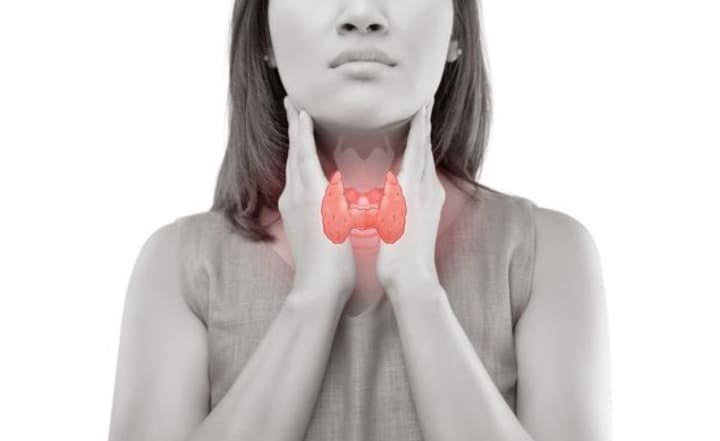
Check the mirror frequently. Self-examination of the mirror at regular intervals can help detect thyroid abnormalities early. The specific method is: facing the mirror, tilt the head slightly back to expose the neck; firstly check whether the sides of the neck are symmetrical and swollen; secondly swallow drool, find the thyroid that moves up and down with the swallowing action; thirdly touch whether the thyroid gland is soft The small bulge, small bumps, or hard small nodules. If you find any problems, you should go to the hospital for investigation as soon as possible.
Check Jia Gong regularly. Many thyroid disease symptoms are not specific, and patients may need to be transferred to multiple departments to be diagnosed. Therefore, regular examinations are particularly important. After 35 years of age, especially women, it is best to have a thyroid function test and thyroid color Doppler ultrasound every 5 years; pregnant women must have a thyroid function test; before pregnancy, women are recommended to screen for thyroid stimulating hormone (TSH) and other related indicators.
In addition, avoid heavy metals, ionizing radiation, pesticides and other environmental "toxins" in life; avoid estrogen abuse, be alert to cosmetics and health products containing estrogen; actively exercise to improve the body's immunity.
About the Creator
Keep reading
More stories from writers in Longevity and other communities.
Day 4 of Quitting
If this is how sobriety feels, maybe it’s better to go through life a little buzzed… this, along with other hits like, I want to kill myself, I wish I was dead, and I’m going to throw myself off a bridge have been the only thoughts on rotation these past few days. I promise myself that if, in a month, I still feel like this (‘this’ meaning despondent, full of rage, and simultaneously numb) I can go back to smoking. Until mid-February though? Nicotine is off the table.
By sleepy drafts24 days ago in Longevity
The Simple Habit That Adds Years to Life
I'll never forget the day I found Mr. Chen collapsed in his garden. I was rushing to my car, late for work as usual, when I spotted him lying among the tomato plants. My heart dropped. I ran over, phone already dialing 911, prepared for the worst.
By Fazal Hadi3 days ago in Longevity



Comments
There are no comments for this story
Be the first to respond and start the conversation.