
These lifestyle habits are stealing your immunity
Improve immunity


There are many things that weaken the immune system without knowing it all day, from how much sleep you sleep to how much sugar you eat to things you touch in the office.
endure loneliness
Loneliness can cause chronic stress and weaken the function of the immune system. Pharmacologists at the University of Mainz in Germany found that loneliness affects body functions at the genetic level. It leads to an increase in pro-inflammatory genes and a decrease in genes that produce antibodies and immunity. The resulting long-term inflammation is a key mechanism for the development of chronic diseases associated with loneliness, such as atherosclerosis, cancer, and neurodegeneration.
Solution: Maintain social contact and communicate with others frequently, even if it is just embracing others. Psychologists at Carnegie Mellon University in the United States have found that the simple act of hugging someone can reduce stress and enhance immunity.
don't like washing hands
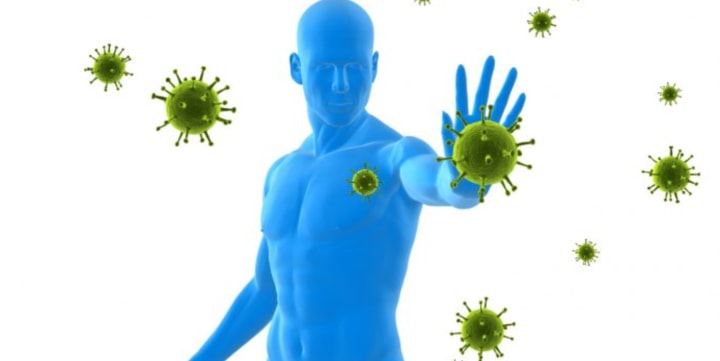
The most basic advice for disease prevention is to wash hands frequently, but too many people fail to do so. A study conducted by the American Society for Microbiology found that 83% of women wash their hands after using public toilets, but only 74% of men do so. Another study conducted by Michigan State University found that 95% of people wash their hands insufficiently to kill bacteria.
Solution: Wash hands thoroughly after going to the toilet and before preparing food.
Continuously "stressed"
When you continue to cope with stress, the brain will increase the production of the stress hormone cortisol, which can damage T cells, which is the component of the blood that fights infection. According to the American Cancer Society, people who experience chronic stress are more likely to get the common cold and infections with viruses, such as the flu.
Solution: In contemporary society, although reducing stress is easier said than done, it is essential for mental and physical health. Regular physical exercise is a good way to relieve stress. Learning to relax, such as practicing yoga, deep breathing, and meditation, can also help.
I didn’t use hand sanitizer after shopping at the grocery store
In an ordinary grocery store, more than half of the shopping carts carry pathogenic bacteria, such as E. coli, which can cause diarrhea, nausea and fever. Supermarket freezer handles have 33,340 colonies per square inch, which is more than 1,000 times the number of bacteria on ordinary mobile phones.
Solution: Bring your own antibacterial wipes, wipe the handle of the shopping cart clean, and dry it for 20 seconds before using it.
alcoholism
A hangover is not the only way to get sick from excessive drinking. Alcohol is broken down into acetaldehyde, which is a powerful toxin. Excessive acetaldehyde hinders the lung's ability to remove microorganisms from the body and reduces the ability of white blood cells to kill bacteria and viruses. Intensive medicine scientists at the University of Maryland School of Medicine found that drinking alcohol for just one night is enough to severely damage the immune system.
Solution: Men drink no more than two drinks a day, and women no more than one drink.

lack of training
Preventive medicine scientists at the University of California, San Diego found that sitting for a long time can damage the body’s ability to fight infections.
Solution: If you need to work at your desk often, get up and move around as much as possible. Get up and exercise every 30 minutes, such as doing stretching or taking a walk in the office.
Washing hands is not long enough
A Michigan State University study found that only 5% of people wash their hands long enough, and 1/3 of them use soap. Not washing your hands long enough will expose you to all kinds of pathogenic bacteria and viruses, from the common cold to norovirus, to streptococcus and staphylococcus.
Solution: The US Centers for Disease Control and Prevention recommends that people wash their hands vigorously with soap and water for 15 to 20 seconds, which is about singing "Happy Birthday" twice.
Did not get the flu vaccine
The US Centers for Disease Control and Prevention recommends that all adults get the flu vaccine every year. Doing so can reduce the chance of catching the flu, which can cause serious or fatal complications, such as pneumonia.
The solution: get vaccinated in time before the flu season comes every year.
Do not wash your hands with hand sanitizer at work
The office (keyboard, telephone and desk) is a hotbed of bacteria. However, the surface with the most germs may be the drinking fountain, because every employee uses it to collect water.
Solution: Put the hand sanitizer next to the desk and use it to wash your hands every time you use the water dispenser. Develop a good habit of regularly wiping desks, phones, and door handles with disinfectant wipes.
Abuse of antibiotics

Antibiotics are used to treat infections caused by bacteria. They cannot treat viral diseases like the common cold or flu. If you often take antibiotics unnecessarily to treat viral infections, you will develop resistance.
Solution: Only in the case of bacterial infection, take antibiotics under the guidance of a doctor.
Touch your face after touching the doorknob
Common cold and flu viruses can stay on hard surfaces indoors for 7 days. Touching your face after touching the doorknob is an exact way to get germs.
Solution: When you are in public, wash your hands thoroughly or use hand sanitizer before eating, drinking, or touching your eyes, nose or mouth.
overweight
Obesity seriously affects the function of the immune system. Being overweight prevents white blood cells from producing antibodies that fight inflammation. In an animal study conducted by the University of North Carolina in the United States, researchers found that obese mice are 10 times more likely to die when infected with influenza virus than normal-weight mice.
Solution: Maintain a healthy weight by eating a healthy, balanced diet and exercising more.
Exercise too much
This is called the overtraining syndrome: continuous exercise and no chance for the body to rest. This not only hinders the achievement of fitness goals, but also damages the function of the immune system.
Solution: According to the physical condition, it is better not to feel excessive fatigue the next day.
lack of sleep
When people sleep, the body goes through several processes to repair and recharge the body, one of which is to ensure the normal functioning of the immune system. During sleep, the body produces inflammatory proteins called cytokines, while supplementing various anti-disease cells and antibodies. Insufficient sleep time is the reason that some people often get colds or flu.
Solution: Experts including the National Sleep Foundation recommend that adults ensure 7 to 9 hours of high-quality sleep every night. Not getting enough sleep can damage your overall health.
lack of vitamin D
Sufficient vitamin D content can prevent some cancers. This vitamin can also help prevent colds and flu. Immunologists at the Feinstein Institute of Medicine in New York found that people with low vitamin D levels are susceptible to infections and increase their risk of autoimmune diseases.
Solution: Adults should consume 600 IU of vitamin D per day, and 800 IU for people over 70 years old. A simple blood test can determine if you are really deficient in vitamin D and to determine if you need to take nutritional supplements containing vitamin D.
commuting by public transportation
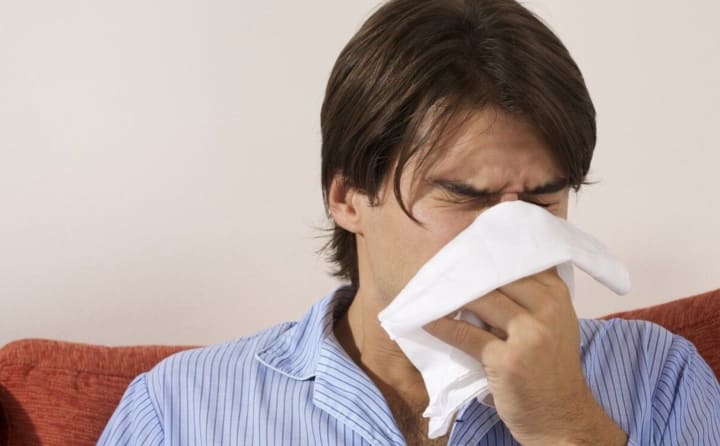
The rings on the bus may be harmful to health. Epidemiologists at the University of Nottingham in the United Kingdom found that people who take a bus or subway to work are 6 times more likely to suffer from acute respiratory infections than people who walk or drive. Just because they met more people and got more bacteria.
Solution: After leaving public transportation, use hand sanitizer or wash your hands with soap for at least 20 seconds.
don't like drinking water
As people get older, people are more likely to become dehydrated, which puts stress on the immune system. Dehydration restricts the secretion of antibacterial proteins into saliva and cannot prevent infection. In addition, water can transport nutrients and oxygen to the cells, flush out bacteria in the bladder, normalize blood pressure, and perform other functions.
Solution: Public health experts at Harvard Medical School recommend that people drink 6 to 8 glasses of water a day.
ate too much sugar
Sugar can cause inflammation and reduce immunity by weakening the function of white blood cells (to fight infection). Most people eat too much sugar every day. The American Heart Association recommends that men's daily intake of added sugar does not exceed 36 grams, and women's intake is 24 grams.
The solution: reduce the intake of added sugars, such as sugary drinks, processed cereals, biscuits and cakes. Eat a variety of natural foods, fruits and vegetables, so you can get vitamins and nutrients that keep you healthy.
do not clean the phone
There are 10 times more bacteria hidden in mobile phones than on toilet seats. Charles Gerba, a microbiologist at the University of Arizona, tested the mobile phone and found that there were 100,000 bacteria on it. Due to the widespread use of mobile phones, viruses are now easier to move than ever before.
Solution: wipe the surface and crevices of the phone with an alcohol cotton ball every day.
About the Creator
Keep reading
More stories from writers in Longevity and other communities.
Day 4 of Quitting
If this is how sobriety feels, maybe it’s better to go through life a little buzzed… this, along with other hits like, I want to kill myself, I wish I was dead, and I’m going to throw myself off a bridge have been the only thoughts on rotation these past few days. I promise myself that if, in a month, I still feel like this (‘this’ meaning despondent, full of rage, and simultaneously numb) I can go back to smoking. Until mid-February though? Nicotine is off the table.
By sleepy drafts24 days ago in Longevity
Few People Know It, But France Is the Only Country in Europe Capable of Building Fighter Jet Engines With Such Precision, Thanks to the DGA
How France’s defense agency makes world-class fighter jet engines When it comes to building fighter jet engines, France holds a unique position in Europe. Few people realize that the country’s Direction générale de l’armement (DGA), the French government’s defense procurement and technology agency, plays a central role in producing high-precision engines for advanced military aircraft. From the Rafale fighter jet to other top-of-the-line aircraft, France’s capability to manufacture engines with exceptional accuracy has made it a key player in European and global defense. This technological edge is not only about military strength—it also reflects decades of investment in engineering, research, and industrial excellence. The Role of the DGA The DGA, or Directorate General of Armaments, is a branch of the French Ministry of Armed Forces. Its primary mission is to design, develop, test, and procure military technology. One of its most remarkable achievements is overseeing the production of fighter jet engines, a task requiring extreme precision and innovation. Why is this significant? Jet engines operate under extreme conditions: temperatures above 1,500°C, pressures far higher than most engines, and rotational speeds exceeding tens of thousands of revolutions per minute. A tiny error in design or manufacturing could lead to catastrophic failure. The DGA ensures that every engine meets the highest standards of safety, performance, and reliability. Precision Manufacturing: A French Specialty France’s expertise in engine manufacturing rests on several key factors: Advanced Engineering – French engineers develop engines using cutting-edge computational models, ensuring optimal aerodynamics and thermodynamics. High-Tech Materials – Components are crafted from superalloys and composites capable of withstanding extreme stress and temperature. Rigorous Testing – Engines undergo thousands of hours of testing in simulated combat conditions before deployment. Industrial Collaboration – The DGA works closely with private companies like Safran Aircraft Engines, integrating research, production, and quality control. This combination of expertise, materials, and oversight allows France to achieve a level of precision unmatched by any other European country. Why Europe Depends on France While other European countries have advanced aviation industries, few can match France’s engine precision. Countries like Germany, Italy, and the UK excel in aircraft design and avionics but often rely on imported engines or partnerships for high-performance fighter jets. France’s independence in engine manufacturing provides several strategic advantages: Sovereignty in Defense – France can maintain autonomy in military operations, ensuring that key technologies are not dependent on foreign suppliers. Export Potential – French fighter jets equipped with DGA-certified engines are highly sought after by allied nations around the world. Technological Leadership – Maintaining this capability allows France to push the boundaries of aerospace innovation, influencing European and global defense industries. The Rafale Fighter Jet: A Case Study The Dassault Rafale, France’s multi-role fighter jet, showcases the precision and reliability of French engine design. Powered by the Snecma M88 engine, the Rafale can reach supersonic speeds, perform complex aerial maneuvers, and operate under extreme conditions—all thanks to the meticulous work of the DGA and its industrial partners. This engine is notable for: Compact Design – Maximizing thrust while minimizing weight High Reliability – Designed to withstand thousands of flight hours without failure Fuel Efficiency – Balancing performance with operational endurance No other European country currently produces an engine with this combination of size, power, and precision, highlighting France’s unique role. Challenges and Future Developments Maintaining this level of precision is not without challenges: Technological Complexity – Continuous innovation is needed to keep up with emerging threats and advanced aircraft requirements. Global Competition – Countries like the United States and China are investing heavily in engine technology, raising the bar for French engineering. Skilled Workforce – High-precision manufacturing requires a highly trained workforce, which demands ongoing education and training programs. Looking ahead, the DGA is exploring next-generation engines that promise greater fuel efficiency, stealth compatibility, and digital control systems, ensuring France remains at the forefront of fighter jet engine technology. Beyond Military Power France’s capability in precision engine manufacturing has broader implications beyond defense: Civil Aviation – Techniques and materials developed for military engines often influence commercial jet engines. Industrial Innovation – Research in high-performance materials and engineering techniques supports other sectors of French industry. National Pride – Being the only European country with this capability reinforces France’s technological leadership and strategic autonomy. Conclusion Few people realize that France holds a unique position in Europe when it comes to building fighter jet engines. Thanks to the DGA’s expertise, rigorous oversight, and industrial collaboration, France produces engines with unmatched precision, ensuring the country’s military aircraft remain reliable, powerful, and globally competitive. This capability is more than a technical achievement—it reflects France’s commitment to innovation, defense sovereignty, and global leadership in aerospace engineering. As technology continues to advance, the DGA and its partners are poised to keep France at the forefront of fighter jet engine design for decades to come.
By Fiaz Ahmed 7 days ago in Longevity
Killing him slowly
There’s an intruder in my house again. He stumbles through the door, wet carrier bags in hand. He’s bought me offerings. I show my appreciation, letting him caress my beautiful body. He wants to touch me. I rub myself against his legs. He sighs, dropping the bags. He can’t resist touching me. Running his hand slowly down my spine, I arch my back towards his caress, let out a low purr. It’s what we both need.
By N J Delmas3 days ago in Horror




Comments
There are no comments for this story
Be the first to respond and start the conversation.