
The Versatility of Composite Bonding: Your Path to a Beautiful Smile
Composite Bonding Path to Beautiful Smile
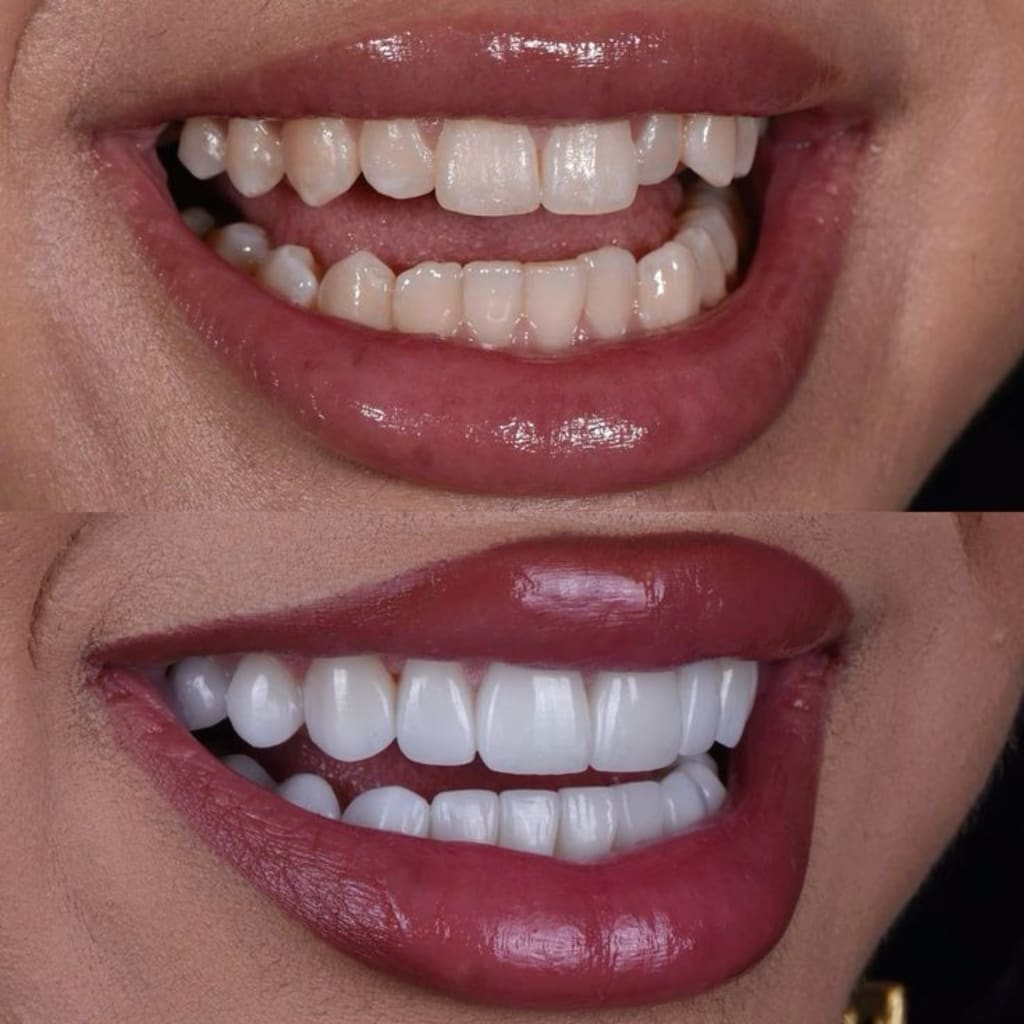
Composite bonding is a popular and versatile cosmetic dental procedure that has transformed the smiles of countless individuals worldwide. Known for its affordability, efficiency, and minimal invasiveness, composite bonding has become one of the go-to treatments for those looking to improve the appearance of their teeth. Whether dealing with chipped, discoloured, or uneven teeth, this procedure offers an effective solution that delivers a natural-looking result. This article will explore everything you need to know about composite bonding, including its benefits, procedure, aftercare, and how it compares to other cosmetic dental treatments.
What is Composite Bonding?
Composite bonding, also known as dental bonding or tooth bonding, is a cosmetic dental procedure in which a tooth-coloured resin material is applied and bonded to the teeth to enhance their appearance. The material used is a composite resin, which is moulded and shaped to correct various dental imperfections, such as chips, cracks, gaps, and discolouration. Once applied, the resin is hardened using a specialised curing light, allowing it to bond seamlessly with the natural tooth structure.
The composite material used in this procedure can be closely matched to the colour of the surrounding teeth, ensuring a natural and aesthetically pleasing result. Unlike more invasive procedures such as veneers or crowns, composite bonding requires minimal removal of tooth structure, making it a relatively straightforward and non-invasive solution.
Common Uses of Composite Bonding
Composite bonding is an incredibly versatile treatment that can address a wide range of cosmetic dental issues. Here are some of the most common uses for composite bonding:
Repairing Chipped or Cracked Teeth: Accidents, injuries, or general wear and tear can lead to chipped or cracked teeth. Composite bonding is a simple yet effective way to restore the natural shape and appearance of the tooth.
Closing Gaps Between Teeth: For individuals with gaps between their teeth (diastema), composite bonding can be used to fill in the spaces, creating a more uniform and aligned smile.
Improving Discolouration: Teeth that are severely stained or discoloured may not respond well to traditional whitening treatments. Composite bonding can cover discoloured teeth, giving them a brighter and more consistent appearance.
Reshaping Teeth: Some people may have teeth that are uneven or irregular in shape. Composite bonding allows dentists to sculpt and reshape teeth, giving them a more harmonious and symmetrical appearance.
Protecting Exposed Roots: Gum recession can lead to the exposure of the tooth’s root, which can cause sensitivity and increase the risk of decay. Composite bonding can be applied to cover the exposed root, offering protection and reducing sensitivity.
Lengthening Teeth: If teeth are naturally shorter or have worn down over time, composite bonding can be used to lengthen them and create a more balanced smile.
The Procedure: Step-by-Step
One of the key advantages of composite bonding is how straightforward the procedure is. Unlike more extensive dental treatments, composite bonding typically requires just one visit to the dentist and can be completed in a single session. Here's a step-by-step breakdown of the procedure:
Consultation and Examination
The process begins with an initial consultation with your dentist. During this appointment, your dentist will examine your teeth and gums to ensure that composite bonding is a suitable treatment option for you. They may also take X-rays or scans to assess the health of your teeth and plan the treatment effectively.
Tooth Preparation
Unlike treatments such as veneers or crowns, composite bonding requires minimal preparation of the tooth. In most cases, no anaesthesia is needed, as the procedure is painless and does not involve any drilling or removal of enamel. However, if the bonding is being used to fill a decayed tooth or repair a damaged area near the nerve, local anaesthesia may be applied.
The dentist will slightly roughen the surface of the tooth to help the bonding material adhere better. This is followed by the application of a conditioning liquid, which further aids the bonding process.
Application of Composite Resin
Once the tooth is prepared, the dentist will select a composite resin shade that closely matches the colour of your natural teeth. The resin is then applied to the tooth in layers and carefully sculpted to the desired shape. The dentist will mould the resin to ensure it looks natural and blends in seamlessly with the surrounding teeth.
Curing the Resin
After the composite resin has been shaped to perfection, a specialised curing light is used to harden the material. This process typically takes a few seconds, and the resin bonds securely to the tooth structure. The dentist may apply multiple layers of resin, depending on the extent of the treatment, with each layer being hardened before the next is applied.
Finishing Touches
Once the resin has hardened, the dentist will trim and polish the bonded area to achieve a smooth, natural finish. The final result should blend in with your natural teeth, giving you a flawless, restored smile. The entire procedure usually takes between 30 minutes to an hour, depending on the number of teeth being treated.
Benefits of Composite Bonding
Composite bonding offers a range of benefits that make it an attractive option for individuals looking to improve their smile. Here are some of the key advantages:
Minimally Invasive
One of the biggest advantages of composite bonding is that it is minimally invasive. Unlike veneers or crowns, which require the removal of a significant amount of tooth enamel, bonding preserves most of your natural tooth structure. This means less discomfort during the procedure and a lower risk of complications.
Quick and Convenient
Composite bonding can typically be completed in a single dental visit, making it a quick and convenient option for those seeking immediate results. This is in contrast to other treatments, such as veneers or crowns, which often require multiple appointments and the fabrication of custom restorations.
Cost-Effective
Compared to other cosmetic dental treatments, composite bonding is relatively affordable. It provides an effective solution for improving the appearance of teeth without the higher costs associated with veneers, crowns, or orthodontic treatments.
Natural-Looking Results
The composite resin used in bonding is carefully matched to the colour of your natural teeth, ensuring a seamless and natural-looking result. Once the bonding is complete, it is nearly impossible to distinguish between the bonded tooth and the surrounding teeth.
Reversible
Since composite bonding requires minimal alteration of the tooth structure, the procedure is considered reversible. This means that if you decide to pursue a different cosmetic treatment in the future, such as veneers or crowns, the bonding can be removed without significant damage to the tooth.
Aftercare and Maintenance
Caring for your bonded teeth is relatively straightforward, but it’s important to follow proper oral hygiene practices to maintain the appearance and longevity of the bonding. Here are some aftercare tips to keep your bonded teeth looking their best:
Good Oral Hygiene: Continue brushing your teeth at least twice a day and flossing daily to maintain the health of your teeth and gums. Use a fluoride toothpaste and a soft-bristled toothbrush to prevent damage to the bonding material.
Avoid Staining Foods and Beverages: Composite resin can be prone to staining, especially in the first 48 hours after the procedure. Avoid consuming foods and drinks that are known to stain teeth, such as coffee, tea, red wine, and dark berries. If you do consume these, rinse your mouth with water afterward.
Avoid Biting Hard Objects: Composite bonding is strong, but it can chip or break if exposed to excessive force. Avoid biting on hard objects like ice, pens, or fingernails, as this can damage the bonded teeth.
Regular Dental Check-ups: Continue visiting your dentist regularly for check-ups and cleanings. During these appointments, your dentist will check the condition of the bonding and make any necessary adjustments or repairs.
Whitening Treatments: If you are considering teeth whitening, it’s important to note that the composite resin used in bonding does not respond to whitening treatments in the same way as natural teeth. If you whiten your teeth after bonding, the bonded area may become more noticeable. It's best to discuss whitening options with your dentist before undergoing bonding.
Longevity of Composite Bonding
While composite bonding is durable, it is not as long-lasting as treatments like veneers or crowns. On average, composite bonding can last anywhere from 5 to 10 years, depending on how well it is cared for and the location of the bonded tooth. Bonding on the front teeth, for example, is more prone to wear and tear than bonding on the back teeth.
Regular dental visits, good oral hygiene, and avoiding habits that could damage the bonding will help extend its lifespan. If the bonding does chip or wear down over time, it can easily be repaired or replaced by your dentist.
Composite Bonding vs. Other Cosmetic Treatments
Composite bonding is not the only option for improving the appearance of your teeth. Here’s how it compares to other popular cosmetic treatments:
Veneers: Veneers are thin shells of porcelain or composite resin that are bonded to the front of the teeth. While veneers offer a more permanent solution with longer-lasting results, they are more expensive and require more enamel removal than composite bonding.
Crowns: Dental crowns cover the entire tooth and are used to restore damaged or weakened teeth. Crowns are more invasive than bonding and are usually reserved for teeth with significant structural issues. They are also more expensive but offer greater durability.
Teeth Whitening: Teeth whitening is a non-invasive treatment that lightens the colour of the teeth. It is ideal for patients looking to improve the overall brightness of their smile but does not address issues like chips, gaps, or uneven teeth.
Conclusion
Composite bonding is an excellent option for anyone looking to enhance their smile in a quick, affordable, and minimally invasive way. With its ability to correct a wide range of cosmetic issues, from chips and gaps to discolouration and uneven teeth, composite bonding offers natural-looking results that can boost both your appearance and confidence.
Whether you’re considering bonding to fix a minor flaw or to completely transform your smile, consulting with a skilled dentist will help you determine if this versatile treatment is right for you. With proper care and maintenance, composite bonding can provide you with a beautiful, lasting smile that you can proudly show off for years to come.
About the Creator
Keep reading
More stories from Smith John and writers in Longevity and other communities.
The Comprehensive Guide to Porcelain Veneers
Porcelain veneers are one of the most popular and effective solutions in cosmetic dentistry, offering a way to achieve a flawless smile. Whether dealing with chipped, discoloured, or slightly misaligned teeth, porcelain veneers provide a versatile option for improving dental aesthetics. This article explores the intricacies of porcelain veneers, from the procedure to the benefits, potential drawbacks, and considerations for those thinking about this treatment.
By Smith Johnabout a year ago in Longevity
Day 4 of Quitting
If this is how sobriety feels, maybe it’s better to go through life a little buzzed… this, along with other hits like, I want to kill myself, I wish I was dead, and I’m going to throw myself off a bridge have been the only thoughts on rotation these past few days. I promise myself that if, in a month, I still feel like this (‘this’ meaning despondent, full of rage, and simultaneously numb) I can go back to smoking. Until mid-February though? Nicotine is off the table.
By sleepy drafts19 days ago in Longevity
Cold Wave Tightens Grip in South Korea as Temperatures Hit Minus 24°C
South Korea is currently experiencing a severe cold wave, with temperatures plunging to as low as minus 24 degrees Celsius in some regions. This extreme weather has triggered alerts from authorities, disrupted daily life, and created dangerous conditions for residents, particularly the elderly and those living in rural areas. Meteorologists warn that the cold snap could continue for several days, and citizens are being urged to take precautions to protect their health and property. Record-Low Temperatures Sweep Across the Country The Korean Meteorological Administration (KMA) has reported record-low temperatures in northern and central regions, including areas such as Gangwon Province and Seoul. Frostbite and hypothermia risks are high as the bitter cold lingers, especially during the early morning hours. Residents have reported frozen pipes, heavy snow accumulation in some areas, and icy roads, making commuting and travel hazardous. Government Response and Safety Measures South Korean authorities have issued a range of emergency warnings and advisories to minimize the impact of the cold wave: Schools: Some schools have delayed opening or switched to online classes in affected areas. Transportation: Road authorities have warned drivers about icy roads and advised the use of snow tires and caution while driving. Public Services: Emergency shelters and warming centers have been opened for vulnerable populations. Utilities: Local governments are monitoring heating and electricity supplies to prevent outages. Officials are urging citizens to dress warmly, limit outdoor activities, and check on elderly neighbors or relatives. Health Risks Associated With Extreme Cold The extreme temperatures pose serious health risks, particularly for certain groups: Elderly people are more susceptible to hypothermia and cardiovascular problems. Children can experience cold-related illnesses such as frostbite. Outdoor workers face higher exposure to cold stress, requiring protective gear and frequent breaks. Medical professionals recommend layered clothing, staying indoors when possible, and maintaining proper hydration. Additionally, avoiding alcohol and smoking can help the body regulate temperature more effectively. Disruption to Daily Life The cold wave has already begun to affect daily routines and infrastructure: Transportation delays: Trains, buses, and flights have faced cancellations due to icy conditions. School closures: In some provinces, students are attending virtual classes to avoid travel in unsafe conditions. Economic impact: Small businesses, especially street vendors and markets, are reporting lower customer turnout and disruption of supply chains. Experts warn that prolonged cold waves could have a more significant economic effect, especially if essential services are interrupted. Meteorological Causes of the Cold Wave Meteorologists explain that the extreme cold in South Korea is being caused by a combination of factors: Arctic air mass: Cold air from Siberia has moved southward, bringing frigid temperatures. High-pressure system: A stable high-pressure system over East Asia has allowed cold air to settle and remain in place. Low sunlight hours: Short winter days reduce the warming effect of the sun, intensifying the cold. These conditions are expected to continue for several days, with some forecasts warning of temperatures remaining below minus 20°C in northern regions. Advice for Travelers and Residents Authorities and experts have issued several practical tips for staying safe during the cold wave: Stay indoors whenever possible, especially during early mornings and evenings. Wear layers of clothing, covering hands, feet, and head. Check heating systems at home and ensure proper ventilation for safety. Avoid driving on icy roads unless absolutely necessary. Keep emergency kits ready, including blankets, food, and water. Travelers in South Korea are advised to monitor local weather updates and plan their journeys accordingly. Broader Implications of Severe Cold This cold wave highlights the vulnerability of urban and rural populations to extreme weather events. Experts point out that climate variations can lead to: Increased energy consumption for heating Greater pressure on healthcare services Infrastructure challenges, such as frozen pipes and road hazards Residents are encouraged to prepare in advance and for policymakers to consider long-term strategies for cold-weather resilience. Conclusion As South Korea faces one of its harshest cold waves in recent years, temperatures hitting minus 24°C have raised alarms across the country. While authorities continue to provide guidance and emergency services, residents are urged to take personal precautions seriously to avoid health risks and accidents. This cold spell serves as a reminder of how extreme weather can disrupt daily life, affect health, and challenge infrastructure. With proper awareness, preparation, and caution, South Koreans can navigate this severe winter safely.
By Fiaz Ahmed 4 days ago in Longevity


Comments
There are no comments for this story
Be the first to respond and start the conversation.