
The Comprehensive Guide to Porcelain Veneers
Guide to porcelain veneers
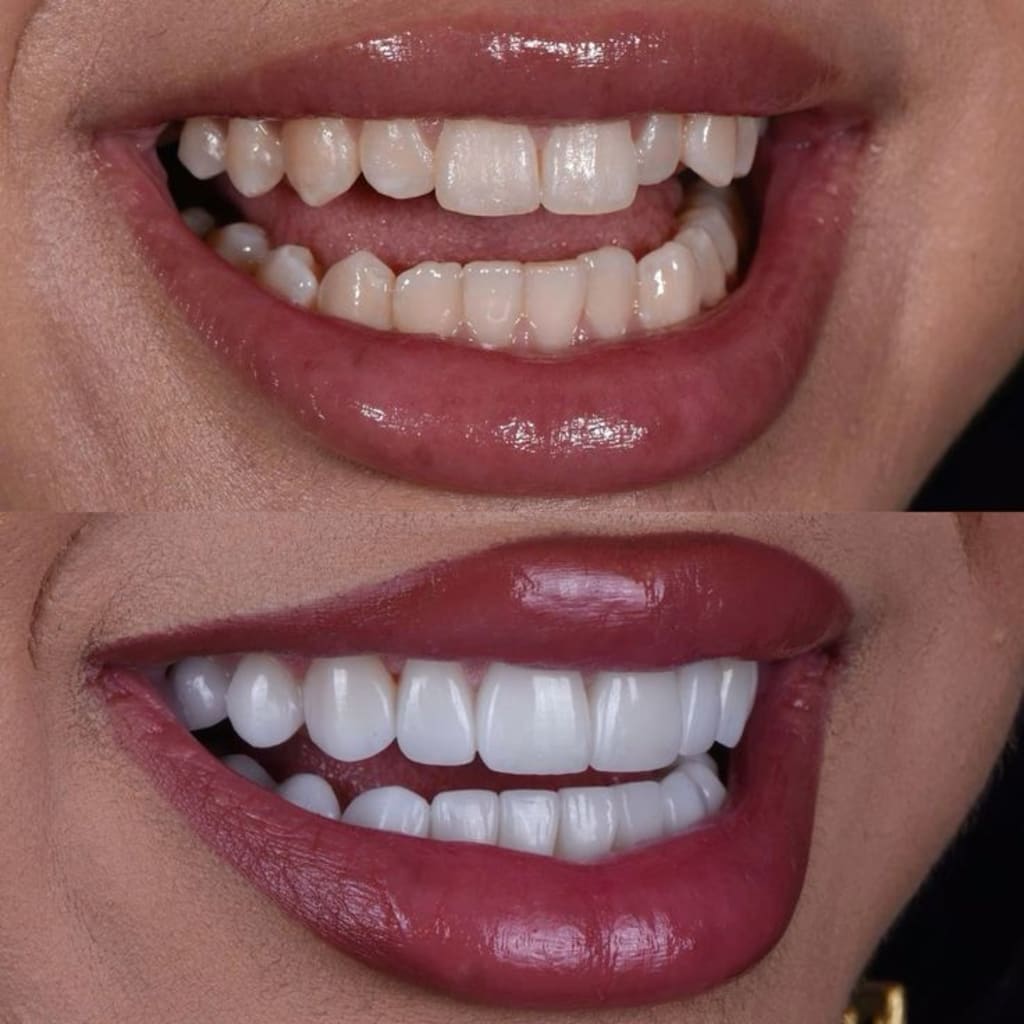
Porcelain veneers are one of the most popular and effective solutions in cosmetic dentistry, offering a way to achieve a flawless smile. Whether dealing with chipped, discoloured, or slightly misaligned teeth, porcelain veneers provide a versatile option for improving dental aesthetics. This article explores the intricacies of porcelain veneers, from the procedure to the benefits, potential drawbacks, and considerations for those thinking about this treatment.
Understanding Porcelain Veneers
Porcelain veneers are thin, custom-made shells designed to cover the front surface of teeth, dramatically improving their appearance. These veneers are crafted from high-quality dental porcelain, a material known for its strength, durability, and natural-looking translucency. When bonded to the teeth, porcelain veneers can alter the colour, shape, size, or length of the teeth, creating a more aesthetically pleasing smile.
The Evolution of Veneers
The concept of veneers dates back to the 1920s, when Hollywood actors would temporarily adhere porcelain to their teeth to enhance their appearance on screen. However, these early versions were not durable, and the veneers would fall off after a short time. It wasn’t until the 1980s that modern adhesive techniques were developed, allowing veneers to be permanently bonded to the teeth. Since then, veneers have become a staple of cosmetic dentistry, with continuous advancements in materials and techniques improving their effectiveness and appearance.
The Porcelain Veneer Procedure
The process of getting porcelain veneers typically involves several steps, spread across multiple appointments.
Initial Consultation: The journey begins with a consultation where the patient discusses their aesthetic goals with the cosmetic dentist. During this appointment, the dentist will assess the patient’s oral health, take X-rays, and discuss whether porcelain veneers are the right option. The dentist may also use digital imaging or physical models to show how the veneers will look once they are in place.
Preparation of Teeth: If the patient decides to proceed, the next step involves preparing the teeth. This usually requires the removal of a small amount of enamel from the tooth surface, typically less than a millimetre. This ensures that the veneers will fit properly and look natural. In some cases, local anaesthesia may be used to minimise discomfort during this process.
Impressions: Once the teeth are prepared, the dentist will take impressions of them. These impressions are sent to a dental laboratory, where skilled technicians will create the custom veneers. This process can take a couple of weeks, during which the patient may be fitted with temporary veneers to protect the prepared teeth.
Bonding the Veneers: Once the porcelain veneers are ready, the patient returns to the dentist for the final placement. The dentist will first place the veneers on the teeth temporarily to examine their fit and colour. Adjustments can be made to ensure a perfect match. Once satisfied, the dentist will clean and etch the teeth to create a strong bond, then apply a special cement to the veneer and place it on the tooth. A curing light is used to harden the cement quickly, securing the veneer in place.
Final Adjustments and Follow-Up: After the veneers are bonded, the dentist will make any final adjustments needed to ensure the patient’s bite is correct and the veneers are comfortable. A follow-up visit may be scheduled to check the veneers' placement and the patient’s oral health.
Benefits of Porcelain Veneers
Porcelain veneers offer numerous benefits, making them a highly sought-after solution for those looking to enhance their smiles.
Aesthetic Appeal: One of the most significant advantages of porcelain veneers is their natural appearance. Porcelain closely mimics the light-reflecting properties of natural teeth, providing a look that is both realistic and beautiful. Veneers can correct a wide range of cosmetic issues, including discolouration, gaps, chips, and minor misalignments, resulting in a uniform and attractive smile.
Durability: Porcelain is a robust and durable material, making veneers long-lasting. With proper care, porcelain veneers can last 10 to 15 years or even longer. They are also resistant to staining, allowing patients to enjoy a bright, white smile without the worry of discolouration from foods, drinks, or smoking.
Minimally Invasive: Compared to other dental restorations, porcelain veneers are a relatively conservative treatment. The process requires only minimal removal of tooth enamel, preserving more of the natural tooth structure. Additionally, the procedure is generally painless and requires little recovery time.
Customisation: Each set of veneers is custom-made to fit the patient’s teeth perfectly. This means that the shape, size, and colour of the veneers are tailored to match the patient’s overall facial aesthetics, ensuring a harmonious and personalised result.
Immediate Results: Porcelain veneers provide a quick transformation. While some dental treatments take months or even years to show results, veneers offer immediate improvements to the appearance of the teeth.
Potential Drawbacks of Porcelain Veneers
While porcelain veneers offer many benefits, there are also some potential drawbacks and considerations to keep in mind.
Irreversible Procedure: The process of placing veneers involves the permanent removal of a small amount of enamel from the teeth. This means that once a tooth has been prepared for a veneer, it will always need to be covered by a veneer or another type of restoration. This irreversible nature makes it essential for patients to be certain about their decision to get veneers.
Cost: Porcelain veneers can be expensive, particularly if multiple teeth are being treated. The cost can vary depending on the dentist’s experience, the complexity of the case, and the location of the dental practice. While veneers are an investment in one’s appearance and confidence, the financial aspect is an important consideration for many patients.
Sensitivity: Some patients experience increased tooth sensitivity after the placement of veneers, especially to hot or cold foods and drinks. This sensitivity is usually temporary and diminishes after a few weeks, but it can be uncomfortable during the adjustment period.
Potential for Damage: While porcelain veneers are durable, they are not indestructible. Biting down on hard objects, such as ice or fingernails, can chip or crack the veneers. Additionally, habits like grinding or clenching the teeth (bruxism) can damage veneers over time. Patients with these habits may need to wear a protective mouthguard, especially at night.
Who Is a Good Candidate for Porcelain Veneers?
Porcelain veneers are an excellent option for many people, but they are not suitable for everyone. Ideal candidates for veneers should have healthy teeth and gums, as underlying dental issues like decay or gum disease must be addressed before veneers can be placed.
Veneers are best suited for individuals looking to correct cosmetic issues, such as:
Discoloured teeth: Veneers can cover severe stains that do not respond to traditional whitening treatments, including stains from tetracycline or fluorosis.
Chipped or broken teeth: Veneers can restore the appearance of teeth that are chipped or broken, providing a seamless, natural look.
Gaps between teeth: Veneers can close small gaps between teeth, creating a more uniform smile without the need for orthodontics.
Slightly misaligned or irregularly shaped teeth: Veneers can give the appearance of straight, well-aligned teeth without braces.
Patients with more severe alignment or bite issues may need orthodontic treatment rather than veneers. Additionally, those with weakened teeth due to decay, large fillings, or fractures may not be suitable candidates for veneers, as these teeth may not provide a stable base for the veneers.
Care and Maintenance of Porcelain Veneers
Proper care is essential to maintaining the longevity and appearance of porcelain veneers. While veneers do not require any special care beyond regular oral hygiene practices, it is crucial to maintain good dental habits.
Brushing and Flossing: Patients should brush their teeth at least twice a day with a non-abrasive toothpaste and floss daily to prevent plaque build-up. Proper oral hygiene helps to maintain the health of the teeth and gums, which is essential for the longevity of the veneers.
Regular Dental Visits: Regular check-ups and cleanings with the dentist are important to monitor the condition of the veneers and the health of the surrounding teeth and gums. During these visits, the dentist can check for any signs of wear or damage to the veneers.
Avoiding Hard Foods and Bad Habits: To protect the veneers from damage, patients should avoid biting down on hard objects, such as ice or pens, and should not use their teeth to open packaging. Additionally, those who grind or clench their teeth should wear a nightguard to protect their veneers from excessive force.
Avoiding Staining Substances: While porcelain veneers are resistant to staining, it is still advisable to limit exposure to foods and drinks that can stain natural teeth, such as coffee, red wine, and tobacco. This will help keep the veneers and surrounding teeth looking their best.
Conclusion
Porcelain veneers are a powerful tool in cosmetic dentistry, offering a way to achieve a flawless, natural-looking smile. With their ability to address a wide range of aesthetic concerns, from discolouration to minor misalignment, veneers provide a versatile and long-lasting solution for those seeking to enhance their appearance. While the procedure is generally straightforward and minimally invasive, it is essential to weigh the benefits and potential drawbacks before deciding on this treatment.
For those who are good candidates, porcelain veneers can provide a significant boost in confidence and self-esteem, allowing individuals to smile freely and proudly. As with any dental treatment, choosing an experienced and reputable cosmetic dentist is key to achieving the best possible results. With proper care, porcelain veneers can provide a beautiful, radiant smile that lasts for many years.
About the Creator
Keep reading
More stories from Smith John and writers in Longevity and other communities.
The Crucial Role of Dental Hygienists in Oral Health Care
Dental hygienists play a vital role in maintaining optimal oral health and promoting overall well-being. As licensed oral health professionals, they are integral members of the dental care team, working alongside dentists to provide comprehensive preventive and therapeutic dental services. This article explores the essential responsibilities, qualifications, education, and the impact of dental hygienists in enhancing oral health care.
By Smith John3 years ago in Longevity
Day 4 of Quitting
If this is how sobriety feels, maybe it’s better to go through life a little buzzed… this, along with other hits like, I want to kill myself, I wish I was dead, and I’m going to throw myself off a bridge have been the only thoughts on rotation these past few days. I promise myself that if, in a month, I still feel like this (‘this’ meaning despondent, full of rage, and simultaneously numb) I can go back to smoking. Until mid-February though? Nicotine is off the table.
By sleepy drafts19 days ago in Longevity
The Great Race for the Arctic: Why Russia, China and the US All Have It in Their Sights
The Arctic is no longer just a frozen wasteland at the top of the world. Today, it has become a hotspot for global competition, attracting the attention of some of the world’s biggest powers: Russia, China, and the United States. As melting ice opens new shipping routes and exposes untapped natural resources, these nations are racing to secure influence in a region that could shape the future of geopolitics, trade, and energy. Why the Arctic Matters The Arctic is important for several reasons: Natural Resources – The region contains vast oil and gas reserves, as well as rare minerals crucial for modern technology. Experts estimate that the Arctic could hold 13% of the world’s undiscovered oil and 30% of its natural gas. Shipping Routes – As ice melts due to climate change, new passages like the Northern Sea Route and the Northwest Passage are becoming navigable. These routes could cut travel time between Asia and Europe by weeks, offering major economic advantages. Military and Strategic Positioning – The Arctic provides a unique vantage point for monitoring global military activity. Control over the region could give nations strategic leverage in both defense and trade. The combination of resources, strategic position, and new shipping routes has made the Arctic a prize worth competing for. Russia’s Arctic Ambitions Russia has been the most active player in the Arctic for decades: It has expanded its military presence, building airfields, radar stations, and icebreakers. Russia controls a vast portion of the Arctic coastline, giving it the advantage of established ports and infrastructure. Energy companies backed by the state are investing heavily in oil, gas, and mineral extraction in the region. Russia sees the Arctic as both an economic opportunity and a security priority. Its actions signal a clear intention to assert dominance over the region before other powers can catch up. China’s Arctic Strategy China is not an Arctic nation by geography, but it has made its ambitions clear: Beijing calls itself a “Near-Arctic State”, emphasizing its interest in shipping and resource access. China is investing in scientific research, Arctic ports, and partnerships with Arctic nations. The country sees the Northern Sea Route as a potential shortcut for trade between Asia and Europe, which could reduce shipping costs and fuel consumption. China’s approach is more economic and diplomatic, relying on partnerships and research projects rather than direct territorial claims. Still, its growing presence is reshaping the Arctic’s geopolitical landscape. The United States in the Arctic The US has long been an Arctic power, primarily through Alaska. Its strategy focuses on defense, environmental monitoring, and trade routes: The US Coast Guard maintains icebreakers and patrol ships to ensure security and maintain shipping lanes. Washington emphasizes freedom of navigation, aiming to prevent any single nation from dominating Arctic waters. Military exercises and collaborations with NATO allies aim to protect strategic interests and respond to potential conflicts. The US sees the Arctic as a region of both opportunity and responsibility, balancing security, environmental concerns, and international cooperation. The Race for Control The Arctic race is about more than natural resources. It is a complex competition of economics, diplomacy, and military positioning: Russia moves aggressively, building military infrastructure and exploiting resources. China invests in research, shipping, and partnerships, gaining influence without formal territorial claims. The US maintains a defensive posture, securing its territory and ensuring freedom of navigation. This “race” is unlike traditional conflicts. It is less about open warfare and more about strategic positioning, economic investment, and diplomatic influence. Environmental and Global Concerns The Arctic is fragile and sensitive to climate change. While melting ice opens opportunities, it also poses risks to wildlife, local communities, and global weather patterns: Rising temperatures accelerate ice melt, threatening polar bears, seals, and indigenous communities. Increased shipping and resource extraction could lead to oil spills, pollution, and habitat loss. Global climate patterns, including storms and ocean currents, could be disrupted by rapid Arctic changes. Nations are under pressure to balance ambition with environmental responsibility, though economic incentives often outweigh conservation efforts. What This Means for the Future The Arctic is likely to remain a geopolitical hotspot for decades. Key developments to watch include: Expansion of shipping routes that shorten travel times and reduce costs. Increased resource extraction, including oil, gas, and rare minerals. Rising military presence, as countries protect their interests and assert sovereignty. Scientific research collaborations, which could shape policy and environmental practices. The Arctic will not just be a frozen frontier — it will be a center of economic, strategic, and environmental importance. Key Takeaways The Arctic is valuable for its resources, trade routes, and strategic position. Russia, China, and the US are all investing heavily to secure influence. The race is a mix of military, economic, and diplomatic maneuvering. Climate change both enables and threatens these ambitions. How nations navigate this competition will impact global trade, security, and the environment. Conclusion The Arctic is no longer just an icy, remote region — it has become a frontline of global strategy. Russia, China, and the United States are all jockeying for influence, using a combination of military, economic, and scientific tools. As ice melts and new opportunities emerge, the Arctic will play a critical role in global geopolitics. How these powers manage competition, environmental responsibility, and cooperation could shape the region — and the world — for generations to come. The great race for the Arctic is not a story of war, but a story of ambition, strategy, and survival at the top of the world.
By Fiaz Ahmed 4 days ago in Longevity
📢 Raise Your Voice Thread: 01/22/2026
Our “Raise Your Voice Threads” are hosted most alternating Thursdays at 12PM ET to offer creators more avenues to uncover exceptional stories on Vocal. As we are continuously searching for fresh creators and inspiring stories, this thread provides an opportunity to exchange and discuss the stories that have moved and motivated us on Vocal.
By Raise Your Voice by Vocal4 days ago in Resources



Comments (2)
Well detailed analysis
Thanks for sharing