
The Ultimate Keto Meal Plan
A Complete Guide to Healthy Eating and Sustainable Weight Loss
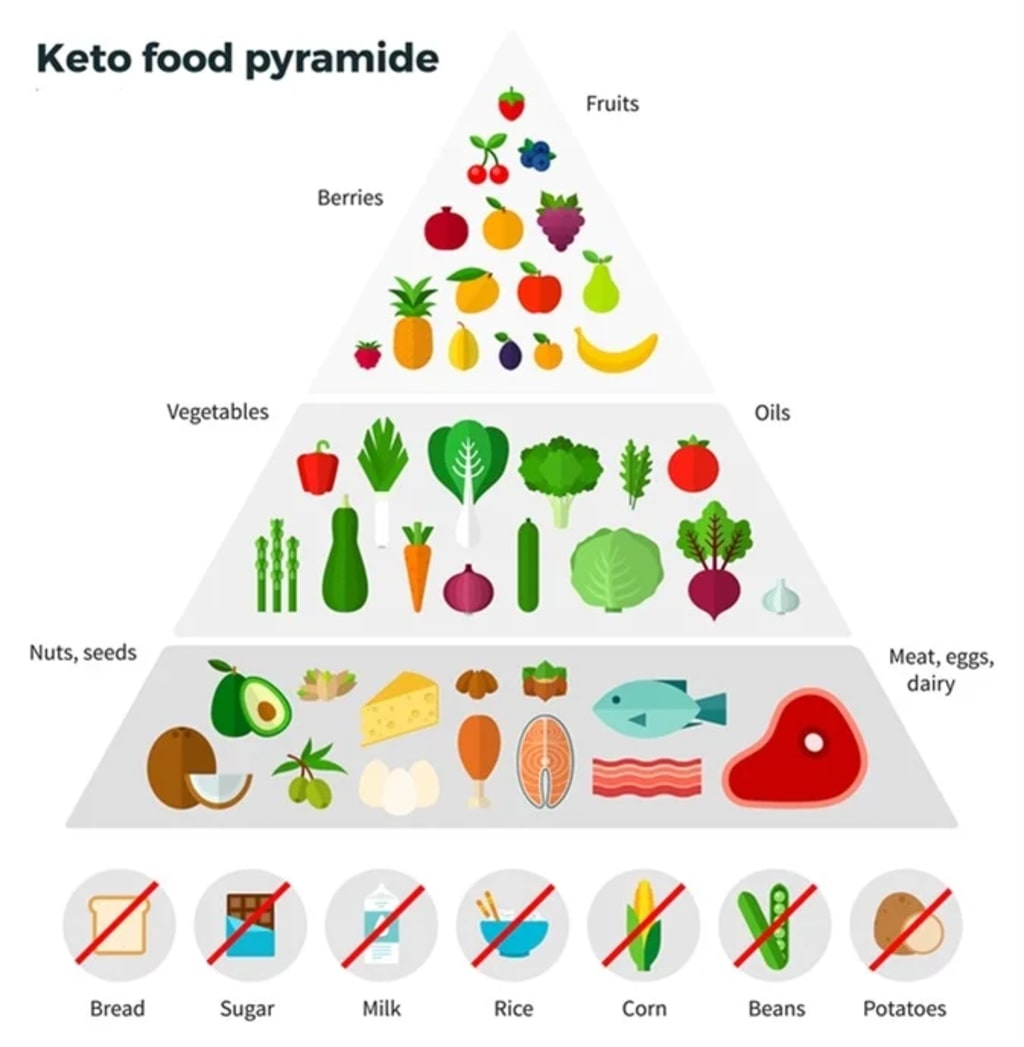
The ketogenic diet, or “keto” for short, is a high-fat, low-carbohydrate diet that has become increasingly popular in recent years for its ability to promote weight loss and improve overall health. Unlike other diets that focus on restricting calorie intake, the keto diet is all about making strategic food choices that help to get your body into a state of ketosis. In this state, your body switches from burning carbohydrates for energy to burning fat instead, which can result in rapid weight loss, improved energy levels, and many other health benefits.
What is the Keto Diet?
The ketogenic diet was first developed in the 1920s as a treatment for epilepsy, but has since gained popularity as a weight loss and overall health improvement tool. The goal of the diet is to get your body into a state of ketosis, where it is burning fat for fuel instead of carbohydrates. To do this, you need to limit your carbohydrate intake and increase your fat intake. A typical keto meal plan will include 70-75% of calories from healthy fats, 20-25% from protein, and only 5-10% from carbohydrates.
The Ultimate Keto Meal Plan: What to Eat
When following the ketogenic diet, it’s important to focus on eating high-quality, whole foods that are rich in healthy fats, protein, and low in carbohydrates. Here’s a list of foods to include in your ultimate keto meal plan:
Meats: Choose grass-fed beef, chicken, pork, and other meats to get a good source of protein and healthy fats.
Fish: Fatty fish like salmon, mackerel, and sardines are great choices for the keto diet because they are high in healthy omega-3 fatty acids.
Eggs: Eggs are a great source of protein and healthy fats, and can be used in a variety of ways in your meal plan.
Dairy Products: Butter, cream, cheese, and other dairy products are great sources of healthy fats, but be careful to choose full-fat options rather than low-fat or fat-free.
Oils and Fats: Coconut oil, olive oil, and avocado oil are good options for cooking, as well as for adding flavor to your meals.
Low-carbohydrate Vegetables: Leafy greens like spinach, kale, and lettuce, as well as other low-carbohydrate vegetables like broccoli, cauliflower, and zucchini, are great options for getting the fiber and nutrients you need while still sticking to your low-carbohydrate goal.
What to Avoid on the Keto Diet
While there are many foods that are allowed on the ketogenic diet, there are also a number of foods that you should avoid. These include:
Sugar and Sweeteners: Avoid all forms of sugar, including cane sugar, corn syrup, and artificial sweeteners.
Bread, Pasta, and Rice: These high-carbohydrate foods should be limited or avoided entirely when following the keto diet.
Processed Foods: Processed foods, such as snacks and convenience meals, often contain hidden sugars and carbohydrates that can sabotage your weight loss efforts.
Alcohol: Alcoholic beverages, especially beer and sweet mixed drinks, are often high in carbohydrates and can prevent you from reaching ketosis.
The ketogenic diet has several potential health benefits, including:
- Weight loss: The keto diet can lead to rapid weight loss as the body burns fat for energy instead of carbohydrates.
- Improved insulin sensitivity: The keto diet has been shown to improve insulin sensitivity, which can be helpful for individuals with type 2 diabetes.
- Increased energy levels: The switch to fat as a primary source of fuel can result in increased energy levels and improved mental clarity.
- Reduced inflammation: The keto diet has been shown to reduce inflammation in the body, which can improve overall health and reduce the risk of certain diseases.
- Better heart health: The keto diet can help improve heart health by reducing risk factors such as high blood pressure and cholesterol levels.
- Increased satiety: The high-fat, low-carb nature of the keto diet can lead to increased satiety and reduced cravings, making it easier to stick to the diet and maintain weight loss.
- Improved brain function: The keto diet has been shown to improve brain function and may have potential benefits for individuals with neurodegenerative diseases such as Alzheimer's and Parkinson's.
About the Creator
Keep reading
More stories from writers in Longevity and other communities.
Daytime Ferries Cancelled as Strong Winds Continue
Daytime ferry services across several key routes have been cancelled as powerful winds continue to batter coastal regions, causing widespread disruption to travel plans and raising safety concerns for passengers and crews. Ferry operators confirmed that sailings scheduled throughout the day have been suspended due to hazardous sea conditions, with gusts reaching speeds that make docking and open-water travel unsafe.
By Fiaz Ahmed Brohi7 days ago in Longevity
Diaries to Nietzsche
Quotation from Friedrich Nietzsche "He who wrestles long with monsters should beware lest he himself become a monster. And if you gaze long into an abyss, the abyss also gazes into you. Man is not destroyed by suffering, but by the meaning he makes of it."
By LUCCIAN LAYTHabout 2 hours ago in Critique
The Salt in her Voice
The myth says mermaids sing to lure sailors to their death. But why? The ocean is huge. Only 5 percent has been discovered by man. Why would a creature of the sea with that much space to roam ever care about the fate of men on ships? The answer, as it turns out, is not a simple one at all. The truth about the myth is older than the tides. Long ago before the first ship ever cut across the surface, the sea made a pact with the sky. The sky would take the souls of the drowned. Anyone who died in storms or any quiet accidents of the deep would have their soul lifted upward to the Heavens while the bodies would remain below, feeding the oceans endless hunger. The greedy sea however wanted more souls than the sky would claim. So it created mermaids. It gave them beautiful voices woven from currents and moonlight. It commanded them to sing. "Bring forth the ones who float where they should sink." it instructed them. So they did. They never killed out of malice but out of obligation. They sung to summon, not to seduce. A mermaid's voice could loosen the tether between the body and soul, making any man step willingly into the water. The sea would take the body and the sky would take the soul. Balance maintained.
By Sara Wilsona day ago in Fiction



Comments