
The Truth About Carbohydrates: Debunking Myths and Making Smart Choices
Ortaya Çıkan Karbonhidratlar: Gerçeği Kurgudan Ayırmak ve Akıllıca Nasıl Seçilir?

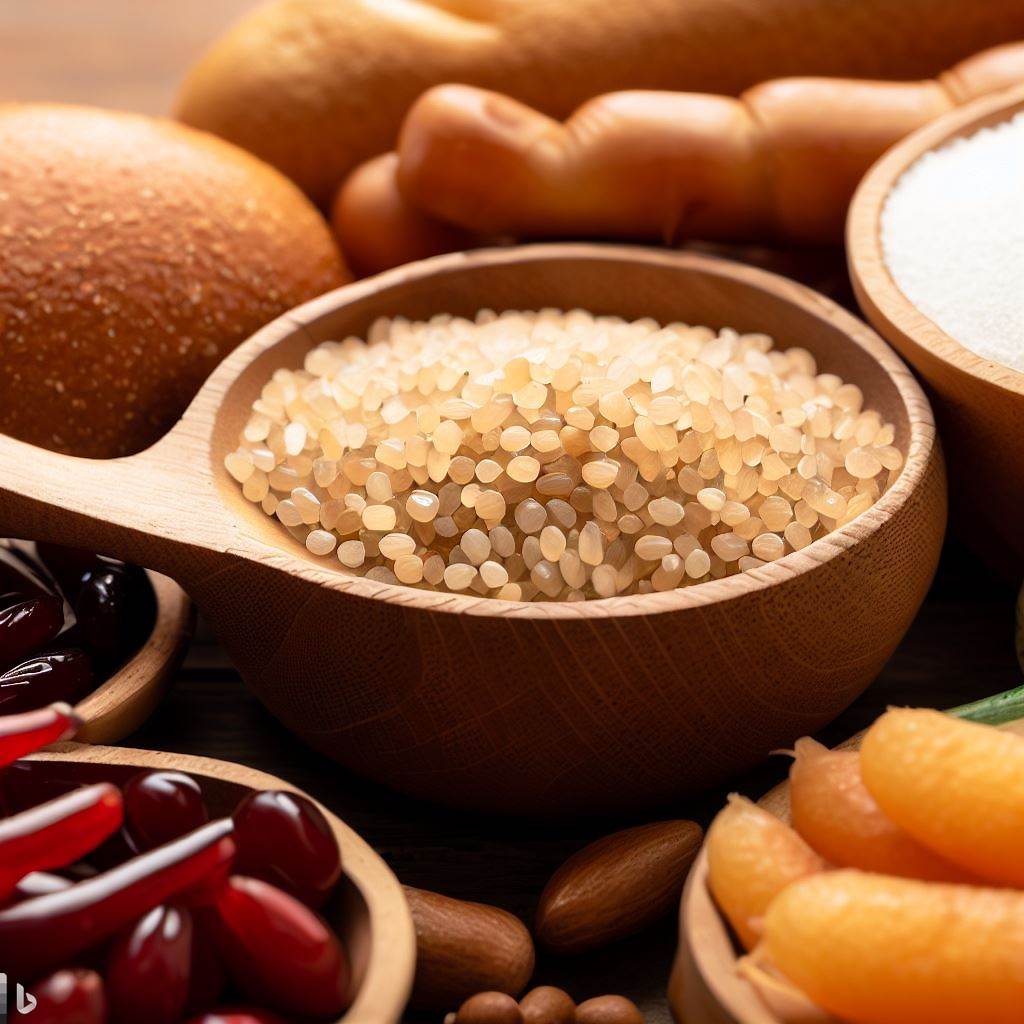
Carbohydrates, often abbreviated as carbs, play a critical role in human nutrition. However, in the ever-evolving health and fitness industry, carbohydrates have been subject to a considerable amount of scrutiny and misinformation. This essay aims to demystify misconceptions surrounding carbohydrates, debunk common myths, and provide guidance on making informed carbohydrate choices in your diet.
Carbohydrates are one of the three macronutrients vital for human survival—the other two being proteins and fats. They serve as the body's primary energy source, powering everything from your daily activities to your brain's cognitive functions. Despite their crucial role, carbohydrates have become infamous due to the common misconception that "carbs make you fat." This misunderstanding is a significant oversimplification of a much more complex process involving calories intake, metabolism, and physical activity.
The truth is, overconsumption of any macronutrient—be it carbohydrates, proteins, or fats—can lead to weight gain. Our bodies store excess calories as fat, regardless of the source. Therefore, it's not carbohydrates per se that cause weight gain, but the overconsumption of total calories. When eaten in moderation and as part of a balanced diet, carbohydrates do not inherently lead to obesity or weight gain.
Another popular myth is the belief that all carbs are created equal. This is far from accurate. Carbohydrates can be broadly classified into simple and complex carbohydrates, or more commonly referred to as 'refined' and 'whole' carbs, respectively. Simple or refined carbs, such as those found in sugary drinks, pastries, and processed foods, are quickly absorbed by the body, leading to rapid spikes in blood sugar and insulin levels. On the other hand, complex or whole carbs, like those found in whole grains, fruits, vegetables, and legumes, are slowly digested, providing a steady supply of energy and helping to control blood sugar levels.
This fundamental difference brings us to another common myth: "carbs are bad for your health." The reality is that the type of carbohydrates you consume significantly impacts your health. A diet rich in complex carbs can offer numerous health benefits, including reduced risk of chronic diseases such as type 2 diabetes, heart disease, and certain types of cancer. Whole carbs are high in dietary fiber, which aids digestion, promotes satiety, and helps in controlling weight.
On the contrary, a diet high in simple carbs can lead to obesity and increase the risk of these same diseases. This does not mean that simple carbs are inherently unhealthy, but their consumption should be limited and balanced with other nutrient-dense foods. The impact on your health greatly depends on the quality of the carbohydrates you choose
Therefore, in making smart choices about carbs, it's important to prioritize complex carbohydrates over simple ones. Instead of eliminating carbohydrates entirely from your diet, focus on incorporating a variety of whole grains, fruits, vegetables, and legumes. These foods provide your body with the essential nutrients it needs to function optimally and can help you maintain a healthy weight.
Furthermore, understanding the concept of Glycemic Index (GI) can help you make smarter carbohydrate choices. The GI is a ranking of carbohydrate-rich foods based on how they affect blood sugar levels. Foods with a low GI cause a slow, steady rise in blood sugar and insulin levels, while foods with a high GI cause a rapid spike and fall. Choosing low GI foods can help manage weight, control blood sugar levels, and reduce the risk of chronic diseases.
In conclusion, carbohydrates are an essential part of a balanced diet and should not be feared or vilified. The key lies in understanding the different types of carbohydrates and making smart, informed choices. Rather than adhering to trendy diets that
About the Creator
Keep reading
More stories from Prof Dr Barış Öztürk and writers in Longevity and other communities.
Superfoods: 10 Nutritional Powerhouses You Should Be Eating
The term 'superfoods' has earned a significant place in today's dietary vocabulary. While the concept lacks an official scientific definition, it denotes foods that offer a plethora of nutrients and health benefits. Among a wide array of so-called superfoods, there are ten that stand out due to their impressive nutritional profiles. By integrating these nutritional powerhouses into your diet, you can augment your overall wellbeing and decrease the risk of various health issues.
By Prof Dr Barış Öztürk3 years ago in Longevity
Day 4 of Quitting
If this is how sobriety feels, maybe it’s better to go through life a little buzzed… this, along with other hits like, I want to kill myself, I wish I was dead, and I’m going to throw myself off a bridge have been the only thoughts on rotation these past few days. I promise myself that if, in a month, I still feel like this (‘this’ meaning despondent, full of rage, and simultaneously numb) I can go back to smoking. Until mid-February though? Nicotine is off the table.
By sleepy drafts12 days ago in Longevity
IBD Treatment Market Forecast and Size 2025–2033
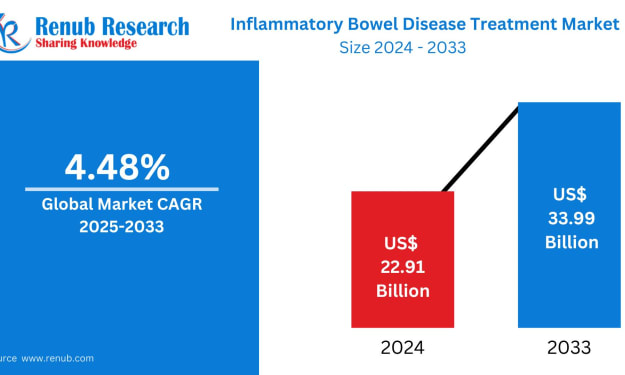
Global IBD Treatment Market: Size, Growth, and the Forces Shaping the Next Decade The inflammatory bowel disease (IBD) treatment market is on a steady upward trajectory as innovation, awareness, and healthcare access converge across regions. Based on Renub Research estimates, the global IBD treatment market is expected to increase from approximately USD 22.91 billion in 2024 to about USD 33.99 billion by 2033, expanding at a CAGR of 4.48% between 2025 and 2033. This growth reflects the rising prevalence of IBD worldwide, the ongoing shift toward biologics and targeted therapies, and a broader push for early diagnosis and long-term disease management.
By Marthan Sir5 days ago in Longevity
A Dart at Dusk
Seconds ago, the sullen sun set on the two of us… my exuberant furry companion and me. A fresh breeze embraces us, delivering welcome relief from the day’s oppressive heat. His typical stumbling and staggering along — apace with a sloth — has turned into trip-trapping, high-stepping, almost skipping along.
By Angie the Archivist 📚🪶5 days ago in Petlife


Comments
There are no comments for this story
Be the first to respond and start the conversation.