
Superfoods: 10 Nutritional Powerhouses You Should Be Eating
Revolutionize Your Diet: Top 10 Superfoods You Can't Afford to Miss

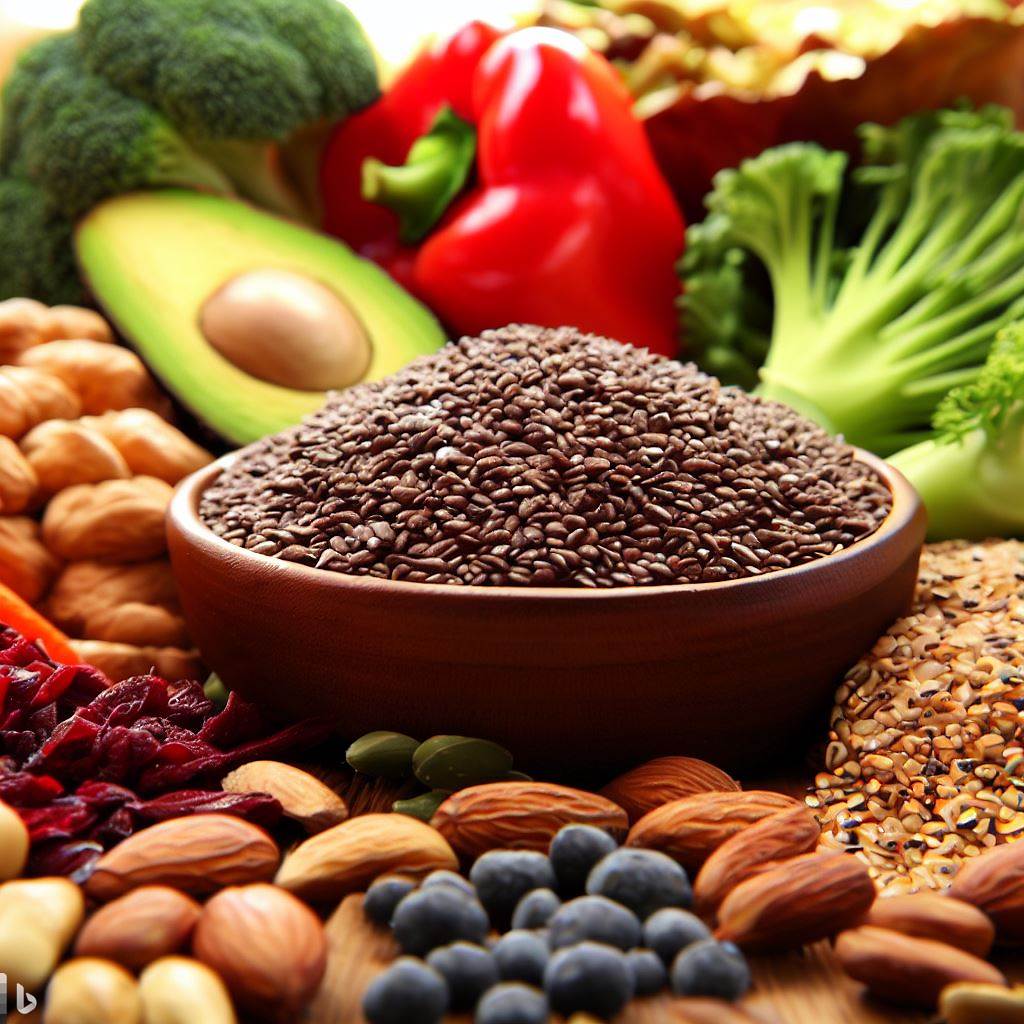
The term 'superfoods' has earned a significant place in today's dietary vocabulary. While the concept lacks an official scientific definition, it denotes foods that offer a plethora of nutrients and health benefits. Among a wide array of so-called superfoods, there are ten that stand out due to their impressive nutritional profiles. By integrating these nutritional powerhouses into your diet, you can augment your overall wellbeing and decrease the risk of various health issues.
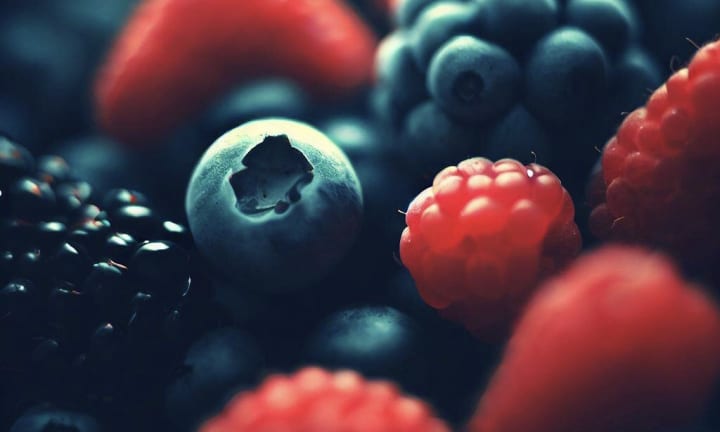
To start with, berries, including strawberries, blueberries, and raspberries, are a veritable treasure trove of vital nutrients. Packed with a host of vitamins, fiber, and antioxidants, berries offer numerous health benefits, such as improved cardiovascular health, enhanced brain function, and decreased inflammation. Plus, their low-calorie content makes them a perfect snack or a nutritious addition to your meals.
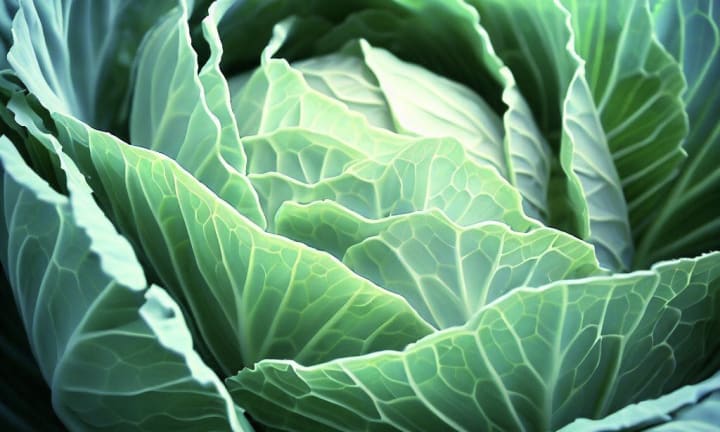
Kale, a leafy green vegetable, also qualifies as a superfood due to its extraordinary nutrient density. Enriched with vitamins A, K, and C, as well as calcium and potassium, kale also possesses phytonutrients which have been associated with cancer risk reduction. Its versatility allows for easy integration into various meals, from salads and smoothies to baked snacks.
Another superfood worth noting is salmon, renowned for its high Omega-3 fatty acids content. These acids are linked to a range of health benefits, including improved cardiovascular health, enhanced brain function, and improved mental health. Salmon also serves as a rich source of high-quality protein, B vitamins, potassium, and selenium.

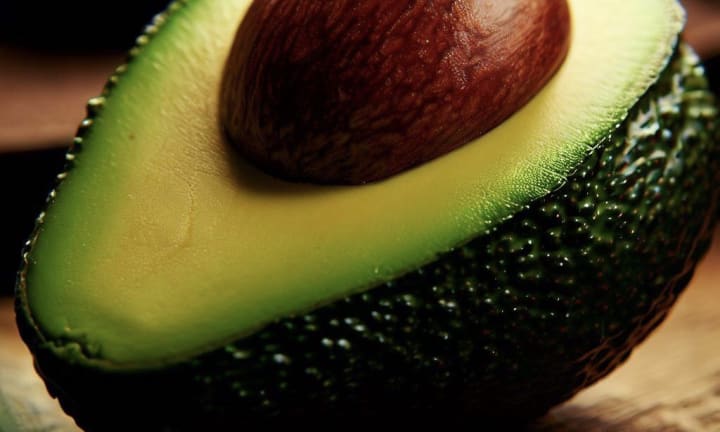
Avocado is a unique fruit that stands out because of its high content of healthy fats, particularly monounsaturated fat, known for its heart-healthy properties. Furthermore, avocados provide a good amount of vitamins C, E, K, B-6, riboflavin, niacin, folate, pantothenic acid, magnesium, and potassium.
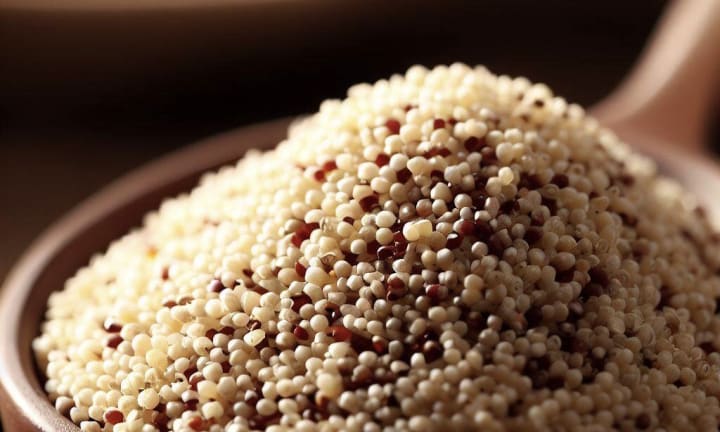
Quinoa, an ancient grain, is another food that earns the 'super' prefix due to its high content of protein, fiber, iron, and magnesium, among other essential nutrients. Notably, quinoa is one of the few plant foods that provide all nine essential amino acids, making it an excellent source of complete protein.
Sweet potatoes also hold a place on the superfoods list due to their high content of vitamin A in the form of beta-carotene. These tubers are also rich in vitamins C, B6, and fiber. Importantly, sweet potatoes have a lower glycemic index compared to regular potatoes, making them an excellent choice for managing blood sugar levels.

Greek yogurt, especially the unsweetened variety, is a fantastic source of protein and calcium, nutrients essential for bone health. It is also abundant in probiotics, beneficial bacteria that support a healthy gut.

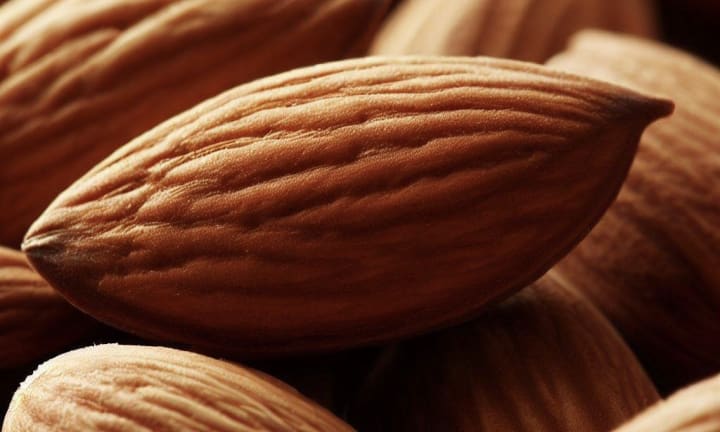
Almonds are another superfood rich in monounsaturated fats, fiber, and protein. These nutrients contribute significantly to heart health. Furthermore, almonds provide a considerable amount of vitamin E and magnesium, essential for numerous bodily functions.
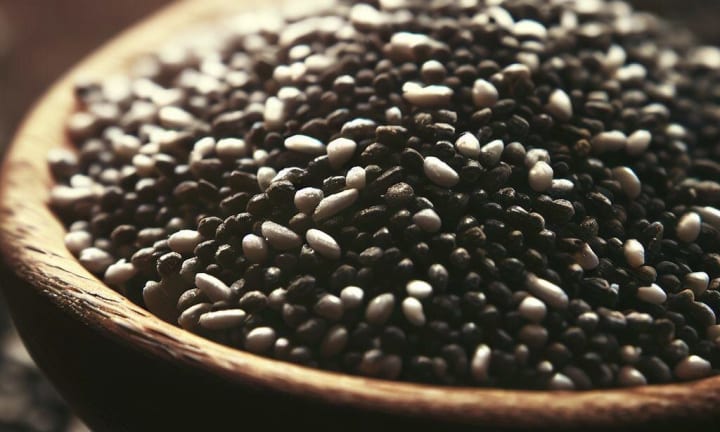
Chia seeds, despite their small size, are among the most nutrient-dense foods available. They are loaded with fiber, protein, omega-3 fatty acids, and various micronutrients. Plus, they are a good source of antioxidants, substances that combat the production of free radicals and protect the body from aging and diseases.
Lastly, turmeric, a staple in Indian cuisine, is a spice loaded with curcumin, a compound with strong anti-inflammatory and antioxidant properties. Curcumin is associated with several health benefits, including improved brain function and lower risk of brain diseases.
While these ten superfoods offer an abundance of essential nutrients and health benefits, it is crucial to remember that they are not magic bullets for. Superfoods come to the rescue with their arsenal of antioxidants. Berries, for example, are rich in anthocyanins, potent antioxidants that give them their vibrant colors. Anthocyanins have been linked to a host of health benefits, including reduced inflammation, improved cardiovascular health, and decreased risk of diabetes and certain types of cancer.
The high antioxidant content of superfoods and their potential health benefits should not be understated. However, it's important to remember that these foods are most beneficial when incorporated into a balanced diet that includes a variety of other nutrient-dense foods. Antioxidants, while offering potential health benefits, are not a cure-all solution and should be a part of a holistic approach to health and wellbeing.
About the Creator
Keep reading
More stories from Prof Dr Barış Öztürk and writers in Longevity and other communities.
The Ultimate Guide to Healthy Eating
Maintaining a healthy diet is essential for overall well-being and longevity. With so much information available about nutrition, it can be overwhelming to navigate through conflicting advice. In this ultimate guide to healthy eating, I have gathered expert tips and advice to help you make informed choices and cultivate a balanced and nourishing diet that suits your individual needs.
By Prof Dr Barış Öztürk3 years ago in Longevity
Why Our Minds Overthink at Night
Have you ever noticed how your mind suddenly becomes extremely active at night? You lie down to sleep, but instead of resting, your brain starts replaying conversations, worrying about the future, or analyzing things that happened earlier in the day.
By Being Inquisitive6 days ago in Longevity
🥑 7 Superfoods Every Pregnant Woman Should Eat for a Healthy Baby
Pregnancy is a beautiful journey, but it also comes with an important responsibility—nourishing both the mother and the growing baby. During this time, what a woman eats becomes the baby’s main source of nutrients.
By Being Inquisitive5 days ago in Longevity



Comments
There are no comments for this story
Be the first to respond and start the conversation.