
The Skin Diagnostician is a profession for the twenty-first century.
Most awaited news

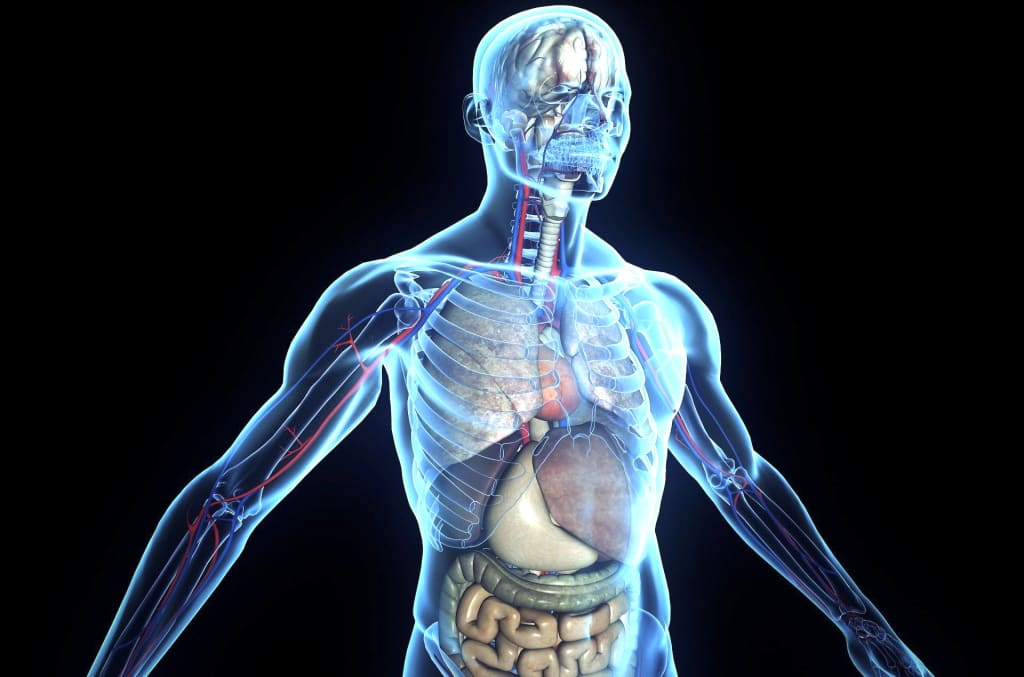
The Skin Diagnostician is one of the new millennium's jobs. As an increasing number of clinical aesthetics practices and skin care clinics meet skin diseases that are getting more difficult to cure, they are upskilling to provide greater client care and company growth.
Many skin problems are getting more difficult to adequately treat as a result of a lack of understanding of exactly what is wrong with the skin and why.
Many therapists use a simplistic approach of treating the symptoms of the conditions rather than addressing their causes because standard beauty and aesthetics training does not provide nearly enough knowledge to correctly diagnose many of the common skin conditions that have emerged over the last 30 years.
As a result, it is not uncommon for the clients time and money being wasted because the treatment has been ineffective, and in some cases completely wrong. Equally, these failures put the therapists competence in jeopardy.
This is where the ability to be a Skin Diagnostician is a valuable skill for anyone serious about skin to have.
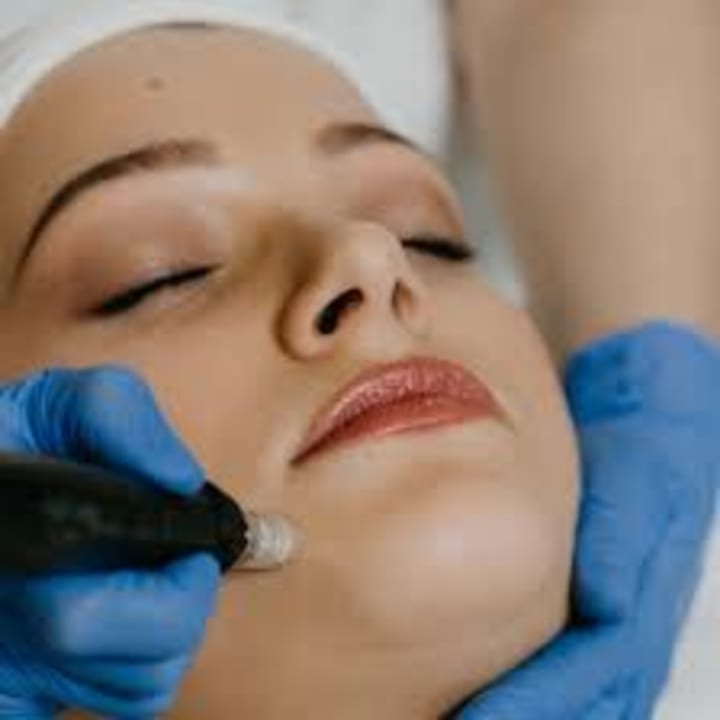
A Skin Diagnostician focuses on determining the causes of skin conditions presented so they can prescribe more appropriately targeted and considered interventions and treatments.
This is a truly professional and responsible approach to skin care.
To achieve this, the Skin Diagnostician will examine both intrinsic and extrinsic factors to determine pre-dispositions, triggers and contributing factors to the causes of anomalous conditions.
The understanding the processes of the skin’s various cells and systems that are affected by the conditions helps signpost the most effective treatment solution.
This is in part achieved by applying the logic of the cascade effect to help restore homeostasis of the effected cells and systems in a complementary synergistic manner.
This may all sound like science and dermatology, and to some extent it is; but, this is actual dermal science. Many of the skin issues that clients bring to Aestheticians and Beauty Therapists can be effectively treated with greater confidence and better outcomes if this knowledge is applied.
As a skin treatment expert, being a Skin Diagnostician is a crucial step. It only takes a desire to study and the determination to be the best you can and deserve to be.
You should be able to complete Skin Diagnostician training without trouble if you have already completed recognized aesthetics/beauty treatment training up to level 3 or 4.
The famous Advanced Skin Analysis curriculum from Pastiche Training is the most respected and industry leading training available to become a Skin Diagnostician. The 5 module, 52 unit course is available as an e-learning course with roughly 65-70 contact hours and can be finished part-time in as short as 3-4 months if study time allows.
Hundreds of people just like you develop new skills and build a brighter future for themselves every month, whether it's for their own career and employment goals or for their businesses.
Many skin problems can be identified just by glancing at the skin. The scalp, nails, and mucous membranes are all examined during a thorough skin examination. To better see the areas of concern, the doctor may utilize a hand-held lens or a dermatoscope (which has a magnifying lens and a built-in light).
The size, shape, color, and position of the abnormality, as well as the presence or absence of additional symptoms or signs, are all indicators. Even if the individual has only detected an irregularity on a tiny region of skin, the doctor may urge the person to undress completely to assess the distribution of a skin disease.
Many tests to diagnose skin problems are available if simply glancing at the skin does not provide the doctor with a diagnosis.
About the Creator
Dinelka_ Ekanayake
hakuna matata🤘
Keep reading
More stories from Dinelka_ Ekanayake and writers in Longevity and other communities.
Day 4 of Quitting
If this is how sobriety feels, maybe it’s better to go through life a little buzzed… this, along with other hits like, I want to kill myself, I wish I was dead, and I’m going to throw myself off a bridge have been the only thoughts on rotation these past few days. I promise myself that if, in a month, I still feel like this (‘this’ meaning despondent, full of rage, and simultaneously numb) I can go back to smoking. Until mid-February though? Nicotine is off the table.
By sleepy drafts9 days ago in Longevity
Global Nano Robotics Market Size & Forecast 2025–2033
Introduction: The Rise of Machines Too Small to See In the world of frontier technologies, few areas capture imagination quite like nanorobotics. These are not the mechanical robots of factory floors, but devices engineered at the nanoscale—typically between 1 and 100 nanometers—capable of interacting with matter at the atomic and molecular level. Once confined to theoretical physics and science fiction, nanorobots are now stepping into laboratories, hospitals, and advanced manufacturing environments across the globe.
By Janine Root 3 days ago in Longevity
Miss Persephone's Manual to a Seemingly Ordinary Life
Miss Persephone was found at the dining table, her blue eyes swollen, her tears arriving and retreating like the tides of the ocean. Earlier that day, her family had visited her in the retirement home where she had lived for eight years. It was her eightieth birthday.
By Imola Tótha day ago in Fiction


Comments
There are no comments for this story
Be the first to respond and start the conversation.