
The Science Behind Cellular Energy
NAD+ levels decline by 50% between ages 20-50, but new research reveals how to power your cells at every life stage.

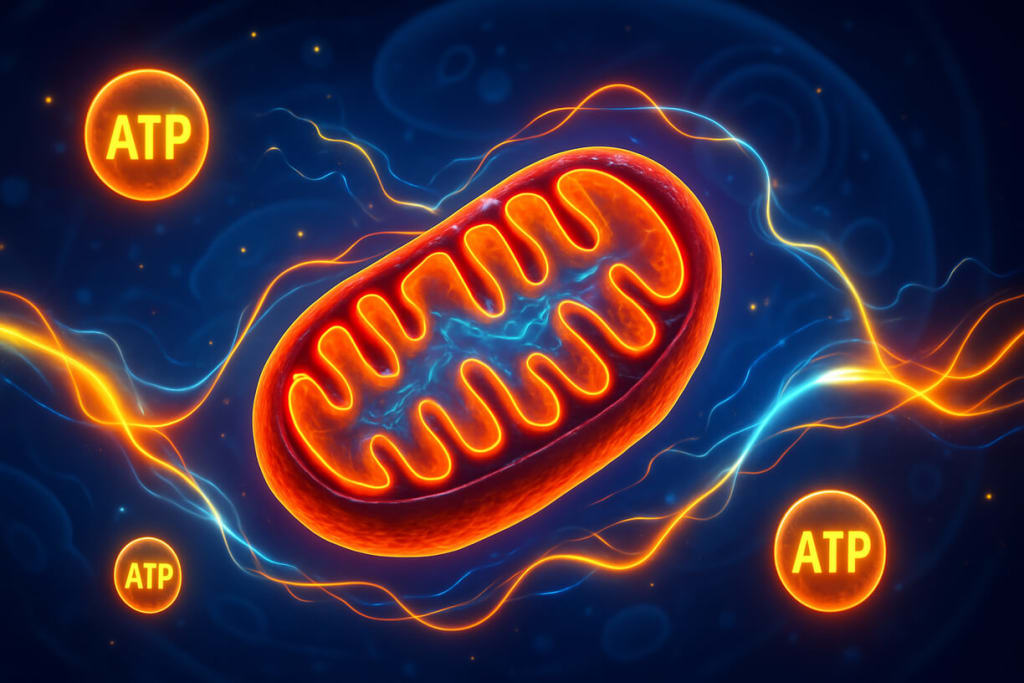
Your cells are running out of fuel. By age 50, the molecular batteries that power every function in your body—from thinking clearly to climbing stairs—have dropped to half their youthful capacity [1].
This isn't just normal aging; it's a cellular energy crisis that accelerates disease, cognitive decline, and physical deterioration. The culprit is the depletion of NADH and NAD+, helper molecules so fundamental to life that without them, you'd be dead within 30 seconds [2].
Recent breakthrough research from Stanford Medicine reveals aging doesn't happen gradually—it occurs in dramatic waves around ages 44 and 60, with cellular energy systems taking the biggest hits [3].
But unlike other aspects of aging, cellular energy decline can be measured, managed, and potentially reversed through targeted interventions [4].
This cellular energy crisis affects everyone differently. While some 70-year-olds maintain the cellular signatures of 40-year-olds, others show energy profiles decades older than their chronological age [5].
The difference lies in understanding how NADH powers your body and implementing science-based strategies to maintain these critical energy systems throughout life.
NADH - Your cellular battery system
NADH represents the cellular equivalent of a rechargeable battery, storing and delivering energy exactly where your body needs it most.
Think of NAD+ (oxidized form) as a dead battery and NADH (reduced form) as a fully charged one - your cells constantly cycle between these two states to power everything from heartbeats to memories [6].
The molecular structure reveals why this system is so important. NAD+ consists of two linked molecules: adenine (the same base found in DNA) and nicotinamide (derived from vitamin B3).
The magic happens in the nicotinamide ring, which can accept or donate electrons like a molecular shuttle [7].
When NAD+ gains electrons, it becomes NADH—your cellular powerhouse.
Inside your mitochondria (cellular power plants), NADH fuels the cellular assembly line that produces ATP, the universal energy currency [8].
Every NADH molecule generates approximately 2.5 ATP molecules through a sophisticated process involving four protein complexes embedded in mitochondrial membranes.
Complex I, the entry point for NADH electrons, contains 44 individual protein subunits working in perfect coordination to pump protons and create the energy gradient that drives ATP synthesis [9].
This system's efficiency is staggering. From a single glucose molecule, your cells generate eight NADH molecules that produce about 20 ATP molecules—enough energy to power cellular processes for hours [10].
But NADH does more than fuel ATP production. It supports DNA repair through PARP (DNA repair enzymes), regulates gene expression via sirtuins (longevity proteins), and maintains the antioxidant systems that protect against cellular damage [11].
The cellular distribution of NAD+ reveals its importance: mitochondria contain 40-70% of your total cellular NAD+, with the remainder distributed between the nucleus (for DNA repair and gene regulation) and cytoplasm (for metabolic processes) [12].
This compartmentalization means that NAD+ depletion affects multiple cellular functions simultaneously, creating the cascade of problems we associate with aging.
What science shows about age-related energy decline
The timeline of cellular energy decline follows predictable patterns that researchers have mapped with increasing precision.
A landmark 2022 study of 1,518 participants aged 18-95 found that NAD+ levels begin declining in the 40-49 age group, with men averaging 34.5 μmol/L compared to women's 31.3 μmol/L [13].
Stanford Medicine's 2024 breakthrough study revealed that aging occurs in two distinct waves rather than gradual decline.
The first wave hits around age 44, affecting 81% of measured biomolecules, including those involved in cellular energy production [14].
The second wave arrives at age 60, when energy expenditure begins declining by 0.7% annually [15].
Your 30s represent peak cellular performance, when mitochondrial density reaches maximum levels and NAD+/NADH ratios remain at their best [16].
Energy production operates at full capacity, DNA repair systems function efficiently, and cellular stress responses remain robust.
Harvard Health research confirms that total energy expenditure and basal metabolic rate remain stable throughout this decade [17].
The transition into your 40s marks the beginning of measurable decline.
The "fatigued 40s" phenomenon reflects real biochemical changes as NAD+ levels drop and mitochondrial function becomes less efficient [18].
Harvard studies pinpoint age 46.5 as when basal metabolic rate begins its downward trajectory, coinciding with the first wave of biological aging Stanford researchers identified [19].
By your 50s, cellular energy systems face accelerated decline. NAD+ levels have dropped to approximately half their youthful levels, while mitochondrial DNA mutations accumulate and ATP production becomes increasingly inefficient [20].
Duke University research shows physical decline accelerates during this decade, reflecting the compound effects of energy system deterioration [21].
The decline continues into later decades, with subjects over 90 showing 26% lower energy expenditure than middle-aged adults [22].
However, individual variation remains large—some elderly individuals maintain cellular energy signatures 30-40 years younger than their chronological age, while others show signatures decades older.
How NADH powers different body systems
Your brain consumes 20% of your body's total energy despite representing only 2% of body weight, making it extremely sensitive to NADH availability [23].
Neurons rely almost exclusively on glucose metabolism and the NADH it generates through glycolysis and the citric acid cycle.
When NADH levels decline, cognitive symptoms appear first: brain fog, memory problems, and reduced mental clarity [24].
The prefrontal cortex, responsible for executive function and decision-making, shows particular vulnerability to energy depletion.
Research demonstrates that NAD+ decline correlates directly with age-related cognitive decline, while interventions that restore NAD+ levels can improve memory formation and recall [25].
In Alzheimer's disease, brain tissue shows dramatic NAD+ depletion, suggesting cellular energy crisis contributes to neurodegeneration [26].
Muscle tissue depends on NADH for both immediate energy and long-term adaptation. During exercise, muscle cells rapidly convert stored glycogen to NADH, fueling the ATP needed for contraction [27].
The more intense the exercise, the greater the NADH demand. This explains why aging athletes first notice reduced power output and slower recovery—their muscles can't generate or regenerate NADH quickly enough to meet energy demands.
Skeletal muscle contains two distinct fiber types with different energy profiles.
Fast-twitch fibers rely heavily on rapid NADH generation from glucose, while slow-twitch fibers use NADH from fat oxidation for sustained activity [28].
Age-related NAD+ decline affects both systems, leading to the characteristic loss of both explosive power and endurance capacity.
Your cardiovascular system requires constant energy to maintain the 100,000 heartbeats and circulation of 2,000 gallons of blood daily.
Heart muscle cells contain the highest mitochondrial density of any tissue—up to 40% of cell volume—reflecting enormous energy demands [29].
NAD+ depletion directly impairs cardiac function through reduced ATP availability and compromised calcium handling, contributing to age-related heart disease.
The liver's role as metabolic headquarters makes it particularly dependent on robust NAD+/NADH cycling.
Every major metabolic pathway—glucose regulation, fat synthesis, protein metabolism, and toxin detoxification—requires NAD+ as a cofactor [30].
Age-related NAD+ decline contributes to metabolic dysfunction, insulin resistance, and the fatty liver disease increasingly common in middle age.
Measuring and recognizing NADH deficiency
The challenge with NADH deficiency is that symptoms often masquerade as normal aging when they actually reflect measurable cellular energy crisis.
Brain fog, chronic fatigue, reduced exercise tolerance, and slow recovery aren't inevitable parts of getting older—they're warning signs of cellular energy systems under stress [31].
Clinical testing for NAD+ levels has become increasingly sophisticated and accessible. Intracellular NAD+ testing using dried blood spots from finger pricks provides accurate measurements with just 3.1% coefficient of variation [32].
The test, now CLIA-certified for at-home use, requires immediate sample preparation to prevent ex vivo oxidation that could skew results.
Laboratory-based testing offers additional precision through LC-MS/MS methods capable of detecting NAD+ concentrations as low as 5nM.
These tests measure not just total NAD+ but also the important NAD+/NADH ratio—higher ratios indicate better cellular health and energy production capacity [33].
Reference ranges vary by laboratory, but declining ratios over time provide valuable insight into cellular aging.
Physical signs of NADH deficiency extend beyond fatigue. Reduced stress tolerance, longer recovery times from illness or exercise, declining mental sharpness, and increased susceptibility to infections all reflect cellular energy systems operating below capacity [34].
Sleep disturbances often accompany NADH deficiency because energy production and circadian rhythms are intimately connected.
Advanced testing protocols examine related biomarkers that provide context for NAD+ measurements.
Glutathione ratios indicate antioxidant capacity, while markers like malondialdehyde reveal oxidative stress levels [35].
Mitochondrial function tests measure ATP production directly, showing how effectively cells convert NADH to usable energy.
The timing of testing matters. NAD+ levels naturally fluctuate with circadian rhythms, typically peaking in the morning and declining throughout the day [36].
Stress, illness, and dietary factors can temporarily affect measurements, making baseline testing important before implementing interventions.
Natural ways to support NADH levels
Food alone cannot fully offset age-related NAD+ decline, but strategic nutrition provides the building blocks for cellular energy production [37].
The three primary pathways for NAD+ synthesis - through B3 vitamins, tryptophan conversion, and direct precursors - each respond to specific dietary interventions.
1. Wild-caught fish leads the list of NAD+-supporting foods, combining high niacin content with omega-3 fatty acids that enhance mitochondrial function. Salmon, tuna, sardines, and anchovies provide the highest concentrations of bioavailable B3 vitamins while supporting overall cellular health [38].
2. Lean meats follow closely, offering both niacin and tryptophan in readily absorbed forms.
3. The discovery that dairy milk contains natural nicotinamide riboside, a direct NAD+ precursor, has elevated its importance for cellular energy support [39].
Unlike plant-based alternatives, dairy milk provides this rare compound that bypasses several metabolic steps in NAD+ production. Fermented dairy products may offer additional benefits through improved bioavailability.
4. Seeds deserve special recognition for their concentrated NAD+ precursor content. Sunflower seeds provide nearly 25% of daily niacin needs per quarter-cup serving, while combining healthy fats that enhance absorption [40].
Chia, pumpkin, and hemp seeds offer similar benefits with additional protein and fiber.
5. Exercise represents the most powerful natural intervention for supporting cellular energy production.
High-intensity interval training (HIIT) creates unique cellular conditions that promote mitochondrial growth through AMPK (cellular energy sensor) activation and better NAD+/NADH ratios [41].
Thirty-second high-intensity intervals followed by 60-90 seconds recovery, performed 2-3 times weekly, provides maximum mitochondrial stimulus with minimal time investment.
6. Endurance training complements HIIT through different mechanisms. Moderate-intensity exercise at 60-70% maximum heart rate for 30-60 minutes activates the PGC-1α pathway (mitochondrial growth signal), promoting sustained mitochondrial biogenesis [42].
This combination approach—HIIT for mitochondrial efficiency plus endurance for mitochondrial quantity—optimizes cellular energy systems.
7. Intermittent fasting emerges as perhaps the most accessible intervention for NAD+ support.
The 16:8 method (16-hour fast, 8-hour eating window) activates AMPK pathways that increase NAMPT enzyme activity, directly boosting NAD+ production [43].
Fasting shifts metabolism from carbohydrate to fat burning, improving NAD+/NADH ratios while activating longevity pathways.
8. Temperature therapy provides additional NAD+ support through complementary mechanisms. Sauna use at 176-194°F for 15-20 minutes, 2-4 times weekly, activates heat shock proteins and enhances mitochondrial efficiency [44].
Cold exposure for 30-90 seconds daily stimulates mitochondrial biogenesis and brown fat activation [45]. The combination of heat and cold creates better conditions for cellular energy enhancement.
NADH supplementation: Science-based approach
Clinical research on NADH supplementation reveals specific benefits for certain conditions while highlighting the complexity of choosing the best interventions.
A 2023 systematic review of 10 randomized clinical trials involving 489 participants found that NADH and NAD+ precursors are generally well-tolerated with modest but measurable clinical benefits [46].
The strongest evidence supports NADH supplementation for chronic fatigue syndrome. A 2021 study of 207 ME/CFS patients found that 20mg NADH daily combined with 200mg CoQ10 improved fatigue perception and health-related quality of life compared to placebo [47].
The benefits appeared within 12 weeks and maintained throughout the study period.
Alzheimer's disease research shows promise for NADH's cognitive benefits. A six-month double-blind study found that 10mg stabilized NADH daily improved performance on cognitive testing compared to placebo, with patients showing no evidence of progressive deterioration during treatment [48].
Dosing protocols vary by condition and individual factors. For general supplementation, clinical trials support 5-10mg NADH daily, while chronic fatigue syndrome studies used 20mg daily [49].
Sublingual forms may offer superior bioavailability by bypassing digestive breakdown. The stabilized ENADA form used in many clinical trials provides consistent potency.
The comparison between NADH and other NAD+ precursors reveals important differences.
NMN (nicotinamide mononucleotide) shows the strongest dose-response relationship for elevating blood NAD+ levels, with 600mg daily providing the best efficacy in recent studies [50].
However, regulatory uncertainties have limited NMN availability in some markets.
Nicotinamide riboside (NR) has the most extensive safety database, with studies confirming safety at doses up to 3000mg daily [51].
However, a 2023 meta-analysis in Science Advances concluded that "oral nicotinamide riboside supplementation has displayed few clinically relevant effects," suggesting limited practical benefits despite strong safety profile [52].
Safety considerations remain minimal for NADH supplementation at recommended doses. The most common side effects include mild muscle pain, fatigue, sleep disturbances, and headaches, typically transient and manageable [53].
No major drug interactions have been reported in clinical trials, though pregnant and breastfeeding women should avoid use due to insufficient safety data.
Quality concerns affect the supplement market. ConsumerLab testing found that 29 of 39 NAD+ precursor supplements contained less active ingredient than claimed, highlighting the importance of third-party testing and pharmaceutical-grade products [54].
Healthcare providers increasingly recommend baseline NAD+ testing before supplementation to establish need and monitor response.
For those considering NADH supplementation, detailed product evaluations like this StrongCell supplement review can help inform decision-making by examining specific formulations, ingredient quality, and third-party testing results.
Putting it all together in your lifestyle
The synergistic effects of combined interventions exceed the sum of individual approaches, making integrated protocols the most effective strategy for maintaining cellular energy across the lifespan [55].
Age-specific implementation matches interventions to physiological needs and life circumstances.
Ages 30-40 represent the foundation-building phase when establishing sustainable habits before NAD+ decline begins.
The focus centers on dietary optimization with 2-3 NAD+-rich foods daily, mild intermittent fasting with 12-14 hour overnight fasts, and exercise protocols combining HIIT training twice weekly with moderate cardio and strength training [56].
Environmental optimization becomes important during this phase. Regular sauna sessions, consistent sleep schedules of 7-8 hours nightly, and stress management through established practices create the foundation for healthy cellular aging.
Monthly health assessments help establish baseline measurements for future comparison [57].
The 40-50 decade requires intervention intensification as the first wave of cellular aging accelerates NAD+ decline.
Enhanced dietary support increases NAD+ precursor foods to 4-5 daily servings while progressing to strategic 16:8 intermittent fasting 4-5 days weekly [58].
Exercise protocols advance to include contrast therapy combining sauna and cold exposure 1-2 times weekly.
This life stage often demands evaluation of supplementation needs under healthcare provider guidance, as food sources alone may not fully offset accelerating decline.
Sleep quality becomes prioritized over quantity, with detailed optimization of sleep environment and circadian rhythm support [59].
Ages 50+ require targeted support strategies addressing the 50% NAD+ decline characteristic of this life stage. Intensive nutritional support maximizes dietary NAD+ precursor intake while considering therapeutic supplementation under medical supervision [60].
Extended fasting periods of 24-48 hours monthly may provide additional benefits for appropriate individuals.
Exercise programming targets mitochondrial biogenesis through varied intensity training while maintaining muscle mass through progressive resistance work.
Regular contrast therapy increases to 2-3 times weekly, and integration with healthcare providers familiar with longevity medicine becomes increasingly important [61].
The implementation timeline follows a structured progression. Phase 1 (weeks 1-4) establishes foundations with 16:8 intermittent fasting, two weekly HIIT sessions, three daily NAD+-rich foods, and consistent sleep schedules.
Phase 2 (weeks 5-12) expands to advanced exercise protocols, temperature therapy, environmental optimization, and baseline health assessments [62].
Phase 3 (month 4+) focuses on optimization through protocol fine-tuning based on individual response, supplementation consideration when needed, regular monitoring and adjustments, and long-term sustainability emphasis.
Success depends on viewing cellular energy support as a lifelong practice rather than a short-term intervention [63].
The future of cellular energy science
Cellular energy research stands at an inflection point where laboratory discoveries are rapidly translating into practical interventions.
The 2024 discovery that NAD+ can directly enter cells through connexin 43 hemichannels challenges fundamental assumptions about supplementation and may transform treatment approaches [64].
Dr. Vincenzo Sorrentino's identification of trigonelline (found in coffee) as a more stable NAD+ precursor than NMN or NR represents the kind of breakthrough that emerges from deeper understanding of cellular metabolism [65].
Unlike traditional precursors that break down rapidly in blood, trigonelline maintains stability while effectively increasing NAD+ levels across multiple tissues.
Systems-based approaches are replacing single-compound strategies.
StrongCell's innovative formulation targets cellular energy production through its combination of NADH, CoQ10, and marine collagen, providing a multi-pathway approach to supporting mitochondrial function and cellular vitality
Nanotechnology applications promise precision delivery methods. Texas A&M researchers have developed "nanoflowers" with atomic vacancies that stimulate mitochondrial regeneration, offering potential for targeted cellular energy restoration [67].
Dr. Akhilesh Gaharwar describes the approach as "giving cells the right instructions at the molecular level to help them restore their own powerhouses."
The hypermetabolism concept challenges traditional aging theories. Columbia University research suggests that cells with impaired mitochondria respond by increasing energy expenditure rather than simply declining [68].
Dr. Martin Picard explains that "to move the needle therapeutically, we may need to target hypermetabolism," representing a fundamental shift in intervention strategies.
Precision medicine integration will soon enable personalized NAD+ restoration protocols based on individual genetic profiles, metabolic patterns, and specific deficiency markers [69].
Rather than one-size-fits-all approaches, future interventions will match specific precursors, doses, and delivery methods to individual cellular energy needs.
The convergence of tissue-specific targeting, nanotechnology delivery, and personalized protocols suggests that within the next decade, cellular energy optimization may become as routine as managing blood pressure or cholesterol [70].
Early detection through improved biomarkers combined with targeted interventions could extend healthspan while compressing the period of age-related decline.
Your cellular energy action plan
The cellular energy crisis affecting every adult over 30 is not inevitable—it's manageable through evidence-based interventions implemented at the right time with appropriate intensity. Your action plan depends on current age, baseline energy levels, and commitment to lifestyle optimization [71].
Start with assessment. Consider intracellular NAD+ testing to establish baseline levels and guide intervention intensity [72].
Pay attention to energy patterns, exercise recovery, cognitive clarity, and stress tolerance as indicators of cellular energy status. Document current symptoms to track improvement over time.
Implement foundational interventions immediately, regardless of age. Begin 16:8 intermittent fasting, incorporate 2-3 NAD+-rich foods daily, establish consistent sleep schedules, and add HIIT training twice weekly [73].
These interventions form the core of any cellular energy optimization program and provide benefits within weeks.
Progress systematically through advanced interventions. Add temperature therapy through sauna use or cold exposure, optimize environmental factors like air quality and light exposure, and consider stress management techniques that support cellular health [74].
Layer interventions gradually to assess individual response and maintain long-term adherence.
Consider supplementation strategically. If baseline testing reveals major NAD+ depletion or if foundational interventions don't restore energy levels within 3-6 months, consult healthcare providers familiar with cellular energy optimization [75].
Choose pharmaceutical-grade products with third-party testing and start with established doses from clinical research.
Monitor progress through multiple measures. Energy levels, exercise performance, cognitive clarity, and sleep quality provide immediate feedback on intervention effectiveness [76].
Consider follow-up NAD+ testing after 6-12 months of consistent interventions to assess biochemical improvements.
The ultimate goal extends beyond simply slowing aging—it's about optimizing cellular energy to maintain vitality, cognitive function, and physical performance throughout your entire lifespan [77].
Your cells possess remarkable capacity for renewal and optimization when provided with appropriate support. The choice to act on this knowledge today determines whether your future decades bring continued vitality or accelerating decline.
Your cellular batteries are rechargeable, but only if you provide them with the right conditions to thrive.
The science is clear, the interventions are available, and the potential benefits extend far beyond what most people imagine possible. The question isn't whether cellular energy optimization works—it's whether you'll implement these discoveries before your energy crisis becomes irreversible.
References
[1] Tru Niagen - "What Does Cellular Energy Feel Like?" - January 2025
[2] BioMed Central - "Molecular mechanisms of aging and anti-aging strategies" - 2024
[3] Stanford Medicine - "Massive biomolecular shifts occur in our 40s and 60s, Stanford Medicine researchers find" - August 2024
[4] PubMed Central - "The Role of NAD+ in Regenerative Medicine" - 2022
[5] NCBI - "Genetics and genomics of human ageing" - 2010
[6] Wikipedia - "Nicotinamide adenine dinucleotide" - January 2025
[7] PubMed Central - "NAD+ metabolism and its roles in cellular processes during ageing" - 2021
[8] NCBI - "ARTD1 (PARP1) activation and NAD+ in DNA repair and cell death" - 2014
[9] Conduct Science - "Electron Transport Chain: Components, Steps, and Importance" - 2024
[10] NIH - "Biochemistry, Electron Transport Chain" - 2023
[11] Nature - "NAD+ metabolism: pathophysiologic mechanisms and therapeutic potential" - October 2020
[12] PubMed Central - "The Role of NAD+ in Regenerative Medicine" - 2022
[13] Frontiers - "Association of Human Whole Blood NAD+ Contents With Aging" - 2022
[14] Stanford Medicine - "Massive biomolecular shifts occur in our 40s and 60s, Stanford Medicine researchers find" - August 2024
[15] Harvard Health - "Surprising findings about metabolism and age" - October 2021
[16] Regenics - "What Age Do You Start Feeling Tired And Old" - 2024
[17] Harvard Health - "Surprising findings about metabolism and age" - October 2021
[18] Jinfiniti - "NAD Levels by Age Group: What's Considered Normal?" - 2024
[19] NCBI - "The Science Behind NMN–A Stable, Reliable NAD+Activator and Anti-Aging Molecule" - 2020
[20] BioMed Central - "Molecular mechanisms of aging and anti-aging strategies" - 2024
[21] AARP - "Fitness And Physical Decline At Stages Of Aging" - 2024
[22] Harvard Health - "Surprising findings about metabolism and age" - October 2021
[23] NCBI - "Genetics and genomics of human ageing" - 2010
[24] PubMed Central - "Energy Metabolism Decline in the Aging Brain—Pathogenesis of Neurodegenerative Disorders" - 2020
[25] Drip Hydration - "Understanding the Role of NADH in Cellular Respiration" - November 2024
[26] PubMed Central - "Energy Metabolism Decline in the Aging Brain—Pathogenesis of Neurodegenerative Disorders" - 2020
[27] PubMed Central - "NAD+ metabolism and its roles in cellular processes during ageing" - 2021
[28] PubMed Central - "Energy Metabolism Decline in the Aging Brain—Pathogenesis of Neurodegenerative Disorders" - 2020
[29] Buck Institute - "Mitochondria and bioenergetics" - 2024
[30] AHA Journals - "NAD+ Metabolism in Cardiac Health, Aging, and Disease" - 2022
[31] Bryant University - "Are anti-aging NAD+ supplements safe? Bryant expert unpacks science behind rising trend" - 2024
[32] Jinfiniti - "10 Ways to Increase Your NAD+ Levels" - 2024
[33] Frontiers - "Association of Human Whole Blood NAD+ Contents With Aging" - 2022
[34] ScienceDirect - "Metabolic control by sirtuins and other enzymes that sense NAD+, NADH, or their ratio" - September 2017
[35] ScienceDirect - "Role of NAD+ in regulating cellular and metabolic signaling pathways" - February 2021
[36] PubMed Central - "NAD+ metabolism and its roles in cellular processes during ageing" - 2021
[37] Cell Press - "NAD+ Metabolism and the Control of Energy Homeostasis: A Balancing Act between Mitochondria and the Nucleus" - 2015
[38] Jinfiniti - "20 Foods That Boost NAD Levels" - 2024
[39] Jinfiniti - "20 Foods That Boost NAD Levels" - 2024
[40] Jinfiniti - "10 Ways to Increase Your NAD+ Levels" - 2024
[41] Oxford Academic - "New horizons in life extension, healthspan extension and exceptional longevity" - 2022
[42] Jinfiniti - "10 Ways to Increase Your NAD+ Levels" - 2024
[43] PubMed Central - "The effects of exercise and cold exposure on mitochondrial biogenesis in skeletal muscle and white adipose tissue" - 2017
[44] PubMed Central - "Cellular Metabolism and Aging" - 2018
[45] NCBI - "The Science Behind NMN–A Stable, Reliable NAD+Activator and Anti-Aging Molecule" - 2020
[46] FoundMyFitness - "Cold exposure" - 2024
[47] NCBI - "Effect of Dietary Coenzyme Q10 Plus NADH Supplementation on Fatigue Perception and Health-Related Quality of Life in Individuals with Myalgic Encephalomyelitis/Chronic Fatigue Syndrome: A Prospective, Randomized, Double-Blind, Placebo-Controlled Trial" - 2021
[48] PubMed Central - "Role of NAD+ in regulating cellular and metabolic signaling pathways" - 2021
[49] Springer - "The efficacy and safety of β-nicotinamide mononucleotide (NMN) supplementation in healthy middle-aged adults: a randomized, multicenter, double-blind, placebo-controlled, parallel-group, dose-dependent clinical trial" - 2022
[50] PubMed Central - "Role of NAD+ in regulating cellular and metabolic signaling pathways" - 2021
[51] Nature - "NR-SAFE: a randomized, double-blind safety trial of high dose nicotinamide riboside in Parkinson's disease" - 2023
[52] PubMed Central - "Dietary Supplementation With NAD+-Boosting Compounds in Humans: Current Knowledge and Future Directions" - 2023
[53] ConsumerLab.com - "Clinical Update - NAD Boosters (NAD+/NADH, Nicotinamide Riboside, and NMN)" - 2024
[54] ConsumerLab.com - "Clinical Update - NAD Boosters (NAD+/NADH, Nicotinamide Riboside, and NMN)" - 2024
[55] Wiley Online Library - "Healthy Lifestyle Recommendations: Do the Beneficial Effects Originate from NAD+ Amount at the Cellular Level?" - 2020
[56] Regenics - "What Age Do You Start Feeling Tired And Old" - 2024
[57] BioMed Central - "Molecular mechanisms of aging and anti-aging strategies" - 2024
[58] Regenics - "What Age Do You Start Feeling Tired And Old" - 2024
[59] Harvard Health - "Surprising findings about metabolism and age" - October 2021
[60] NCBI - "Genetics and genomics of human ageing" - 2010
[61] Harvard Health - "Surprising findings about metabolism and age" - October 2021
[62] BioMed Central - "Molecular mechanisms of aging and anti-aging strategies" - 2024
[63] Wiley Online Library - "Healthy Lifestyle Recommendations: Do the Beneficial Effects Originate from NAD+ Amount at the Cellular Level?" - 2020
[64] BioSpace - "New Study Demonstrates that SL-NAD+ delivers NAD+ into Cells" - 2024
[65] Nature - "The use of a systems approach to increase NAD+ in human participants" - 2023
[66] Nature - "The use of a systems approach to increase NAD+ in human participants" - 2023
[67] Nature - "The use of a systems approach to increase NAD+ in human participants" - 2023
[68] Nature - "The use of a systems approach to increase NAD+ in human participants" - 2023
[69] Jinfiniti - "10 Ways to Increase Your NAD+ Levels" - 2024
[70] Jinfiniti - "Intracellular NAD Test (CLIA-Certified)" - 2024
[71] PubMed Central - "The Role of NAD+ in Regenerative Medicine" - 2022
[72] Jinfiniti - "Intracellular NAD Test (CLIA-Certified)" - 2024
[73] Jinfiniti - "10 Ways to Increase Your NAD+ Levels" - 2024
[74] FoundMyFitness - "Cold exposure" - 2024
[75] ConsumerLab.com - "Clinical Update - NAD Boosters (NAD+/NADH, Nicotinamide Riboside, and NMN)" - 2024
[76] Frontiers - "Association of Human Whole Blood NAD+ Contents With Aging" - 2022
[77] PubMed Central - "The Role of NAD+ in Regenerative Medicine" - 2022
About the Creator
Pavlos Giorkas
Blogger & Versatile Author with 10+ years of writing experience. Contributes to multiple publications. On Vocal I write for SEO, Cryptocurrencies, Alternative Health, Ai and Money. Personal blog: pavlosgiorkas.com (in Greek).
Keep reading
More stories from Pavlos Giorkas and writers in Longevity and other communities.
Poverty and Holistic Life
What is Holism The definition of the word 'holism' (which apparently derives from 'whole' - and in English is holism) in philosophy is "the theory - and corresponding practice - that gives priority to the whole, as opposed to the part.
By Pavlos Giorkas4 years ago in Longevity
Three in Four Women Unaware Menopause Can Trigger New Mental Illness, Poll Finds
A new poll has revealed a striking gap in public understanding of menopause and mental health, with nearly three in four women unaware that the hormonal transition can trigger the onset of new mental illnesses. The findings highlight a growing concern among health experts that psychological symptoms linked to menopause are being underestimated, misdiagnosed, or ignored altogether. Menopause is commonly associated with physical symptoms such as hot flashes, night sweats, and sleep disruption. However, medical professionals stress that the hormonal changes occurring during perimenopause and menopause can also have a profound impact on the brain. Fluctuating estrogen levels influence neurotransmitters like serotonin and dopamine, which regulate mood and emotional stability. For some women, this can result in anxiety, depression, panic disorders, or even more severe psychiatric conditions emerging for the first time in midlife. According to the poll, a majority of respondents believed menopause only worsens existing mental health issues rather than creating new ones. This misconception is worrying, experts say, because it delays diagnosis and treatment. Women experiencing sudden mood swings, intrusive thoughts, or prolonged low mood may not associate these symptoms with menopause and instead blame stress, work pressure, or family responsibilities. Mental health specialists report an increase in middle-aged women seeking help for symptoms that began during perimenopause. Many describe feeling unlike themselves for the first time in their lives, experiencing unexplained anxiety, emotional numbness, or depressive episodes. In some cases, women who had never previously struggled with mental illness suddenly find themselves needing therapy or medication. The stigma surrounding both menopause and mental illness adds another layer of difficulty. Many women hesitate to discuss emotional changes openly, fearing they will be dismissed as “overreacting” or told it is simply part of aging. As a result, they may suffer in silence for months or even years before seeking professional support. Healthcare providers also face challenges. General practitioners are often trained to focus on physical menopausal symptoms, while mental health symptoms may be treated separately without considering hormonal causes. This fragmented approach can lead to misdiagnosis. A woman might be prescribed antidepressants without being offered hormone therapy, or vice versa, even though a combined treatment plan could be more effective. Campaigners argue that menopause education needs urgent reform. Schools, workplaces, and healthcare systems should treat menopause as both a physical and psychological transition. Employers are also being encouraged to recognize menopause-related mental health struggles, especially as more women remain in the workforce into their 50s and 60s. Reduced concentration, fatigue, and emotional distress can significantly affect job performance if left unsupported. The poll also revealed generational differences in awareness. Younger women were slightly more informed about menopause and mental health than older respondents, suggesting that social media and online health campaigns are beginning to shift perceptions. However, experts warn that online information can be inconsistent and sometimes misleading, reinforcing the need for reliable public health guidance. Treatment options are available, and outcomes can be positive when menopause-related mental illness is identified early. Hormone replacement therapy (HRT), talking therapies, lifestyle changes, and in some cases medication can work together to stabilize mood and improve quality of life. Regular exercise, better sleep habits, and stress management are also known to ease symptoms. Ultimately, specialists say the findings should serve as a wake-up call. Menopause is not just a physical milestone but a complex biological transition that can reshape mental wellbeing. Recognizing this reality could prevent unnecessary suffering and help women access the care they need sooner. As awareness grows, advocates hope conversations around menopause will become more open and medically informed. Understanding that new mental health conditions can emerge during this stage of life is a crucial step toward removing stigma and ensuring that women are supported through every aspect of this significant change.
By Fiaz Ahmed 3 days ago in Longevity
Who is your "Person"?
It's important to recognize that you cannot go through life as easily on your own. My name is Elizabeth and I'm a survivor of child abuse and horrific trauma. Healing from trauma is not a quick fix and recognizing that it will take time, is part of the struggle.
By Elizabeth Woods3 days ago in Psyche




Comments
There are no comments for this story
Be the first to respond and start the conversation.